





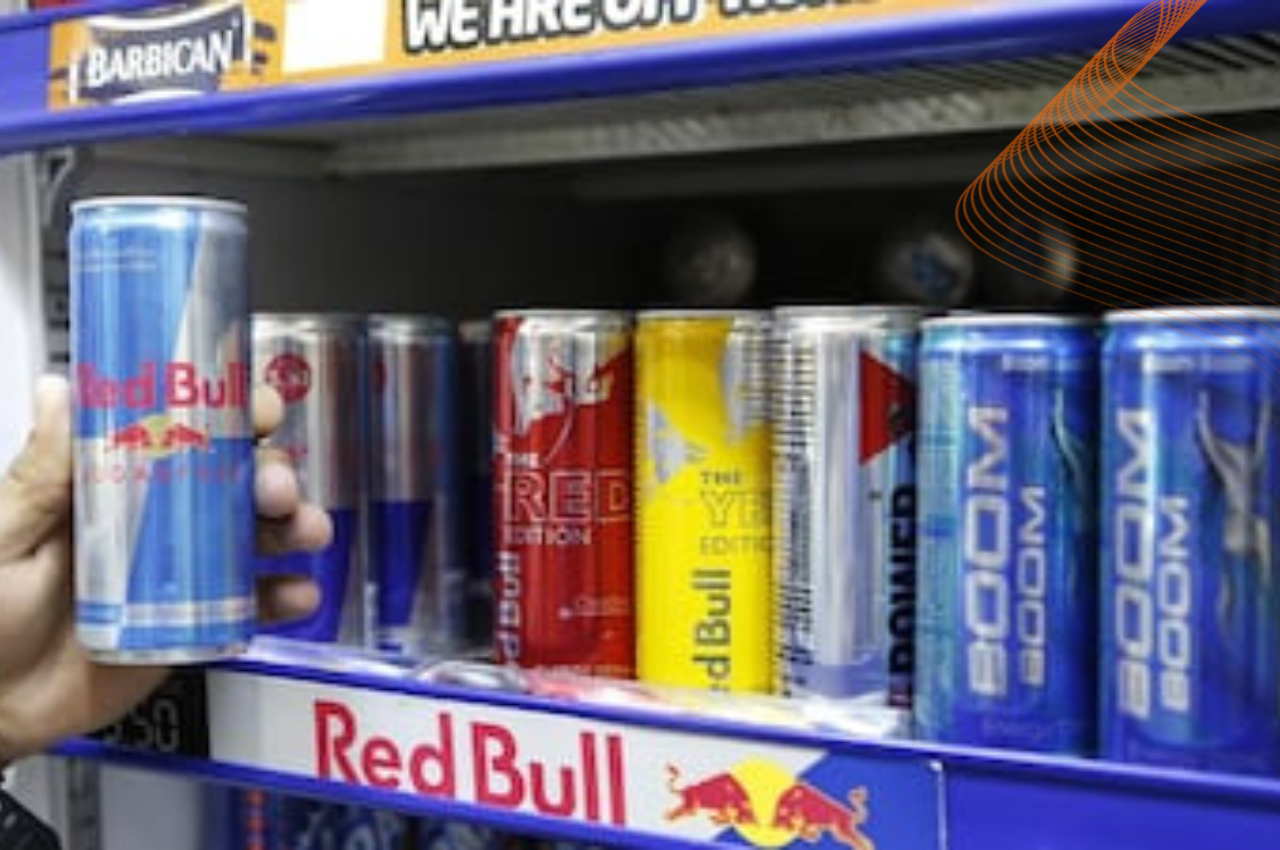
Understanding the tax system for beverages in the United Arab Emirates (UAE) is essential, especially given the recent changes in the UAE’s indirect tax system. The Federal Tax Authority (FTA) has proposed a tiered-volumetric pricing model for all sweetened and carbonated beverages but there is a separate, long-standing model for energy drinks. This comprehensive guide explains all aspects of energy drink taxation, compliance requirements and calculation in the UAE.
What is the Excise Tax Rate on Energy Drinks?
The rate of excise duty for energy drinks is 100% of the specified price or the retail price. While soft drinks and flavored drinks were switched to a volumetric tax model based on sugar content, energy drinks are not subject to the sugar tiers.
No matter what kind of energy drink is provided, even one with a high sugar content, a reduced sugar content or an artificially sweetened version, it will still get the maximum 100% levy. This puts energy drinks on the same level as tobacco products and electronic smoking products among the most highly taxed products in the country.
Regulatory Definition and Classification Rules
Not all drinks that claim to be a pick-me-up or stimulant are considered “energy drinks” for the purposes of the tax. A qualifying product is one which meets certain composition requirements under regional Gulf Standards which are enforced in conjunction with UAE regulations. The caffeine content is usually between 145 and 320 mg per litre and is often combined with other ingredients that are meant to boost the consumer’s mental or physical activity, such as caffeine, taurine, ginseng, and guarana. Moreover, products have to include compulsory health warnings, caffeine content labeling and be certified by the Ministry of Industry and Advanced Technology (MoIAT) under the Emirates Conformity Assessment Scheme (ECAS).
It is very important for importers and manufacturers to classify their drinks carefully. The FTA could pursue compliance audits and administrative penalties if energy drinks are classified as a standard sweetened beverage, or if a standard sweetened beverage is marked as an energy drink.
How Energy Drink Excise Tax is Calculated
Unlike other beverages, which are subject to a tiered volumetric tax, calculating the tax burden for energy drinks is simple. As a flat percentage, the calculation will be based on the excise price that is set or approved by the FTA.
To determine the liability, the ex-factory price or retail sales price is multiplied by 100%. For example, the excise tax rate on a commercial batch of energy drinks with a baseline price of AED 2.00 per can is AED 2.00 per can, thus doubling the base price of the drinks prior to Value Added Tax (VAT) application. Please remember, that Excise Tax is applied first and VAT is applied on the Vatable Price including the Excise Tax.
Key Compliance Guidelines for Businesses
If you are running an energy drinks import, distribution or manufacturing company in the UAE, you must follow the FTA protocols. Any business that produces, imports or stocks excise goods will be required to register with the FTA at times if threshold limits are exceeded.
Careful bookkeeping is required for the movement of excise goods into, out of, and from designated areas. There are strict regulations enforced by the FTA in warehouses that deal with these goods to monitor deferred tax liabilities. Last, but not least, the registered taxable persons are required to file their periodic excise tax returns and pay the taxes on time within legal time limits and penalties as per the FTA rules, which include 14% per annum late payment penalties along with fixed administrative fines.
Frequently Asked Questions (FAQs)
Q1. Are energy drinks taxed at 100% even if they are sugar-free?
A1. Yes. The 100% excise tax rate does not depend on the amount of sugar in the energy drink. Diet soft drinks are not applicable because the sugar-free or diet energy drinks do not contain a minimum amount of artificial sweetener.
Q2. How does the energy drink tax differ from the tax on regular soft drinks?
A2. Normal soft drinks and sweetened drinks are subject to tax in accordance with a tiered volumetric basis – a fixed rate per litre. However, energy drinks have been exempt from this volume-based model and subject to a flat 100% tax imposed on their price.
Q3. Do importers need special clearance for energy drinks?
A3. Yes. Before importing to the local market, importers need to obtain the necessary product conformity assessment procedures, register the product to the relevant authorities and ensure full compliance with the inventory tracking requirements of the FTA.
Optimize Your Beverage Compliance Today
Dealing with intricate excise computations or preparing for the UAE’s regulatory changes in product categories? Make sure your value chain and tax strategies are optimised to the fullest extent to secure your margins.
Follow Dubai Key Insights for more news.