





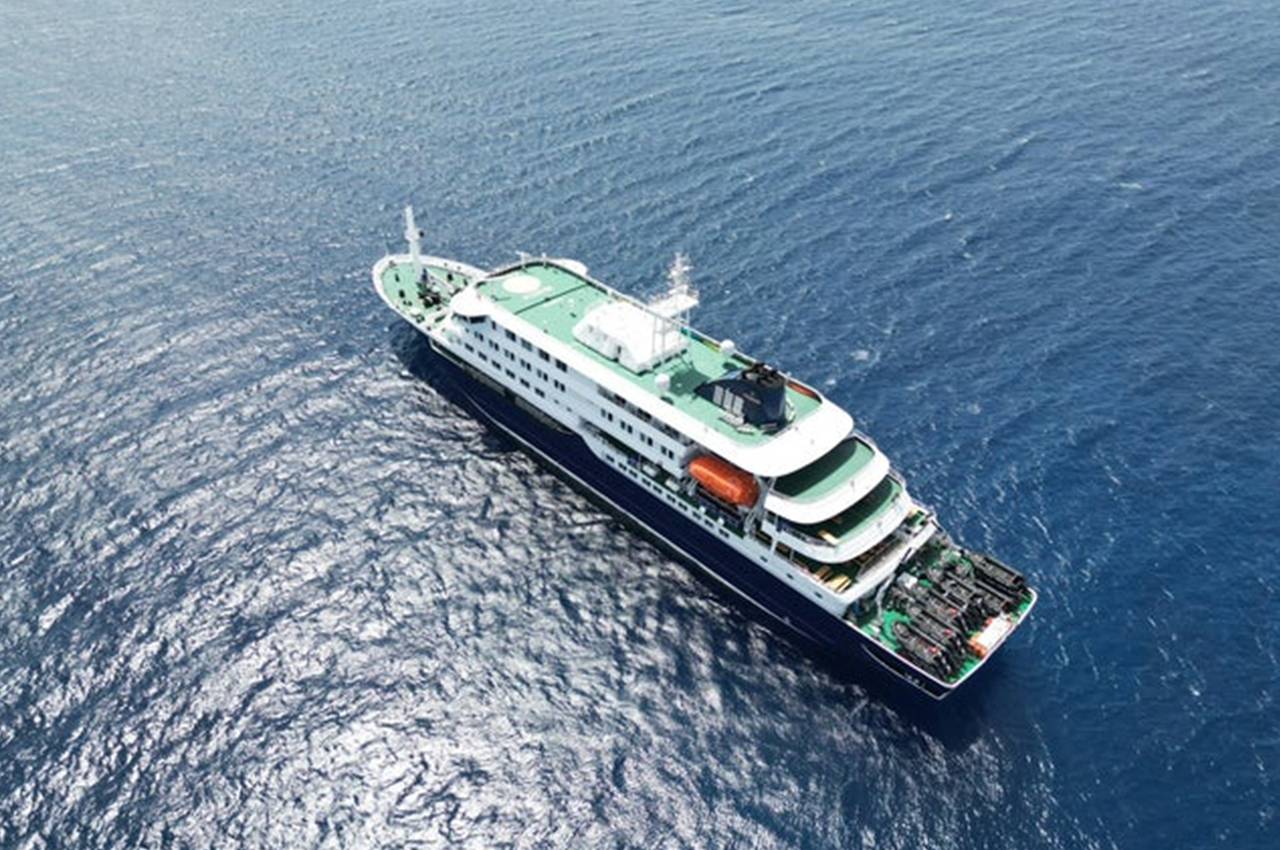
A shipboard outbreak of suspected hantavirus infection has reignited the international discussion on quarantine and outbreak control for ships. As details are confirmed, the situation has sparked renewed worries about how fast infectious diseases can be transmitted in cramped quarters and how effective the health protection measures are on cruise ships.
So far, what has been happening in the hantavirus cruise ship outbreaks?
Hantavirus was first reported on a cruise ship traveling on international waters and crews are currently investigating whether there are possible cases. This is an assessment that is ongoing and so far there are limited confirmed clinical data that are publicly available for this situation.
A small number of passengers suffered very serious flu-like symptoms and were medically isolated onboard and reported to the port health authorities, according to preliminary reports. The vessel has been reportedly been brought under “enhanced monitoring” and has had restrictions on passenger movement in some areas.
Although there has been no official confirmation to say that widespread transfers are being reported, the incident has sparked a discussion in the cruise industry about preparedness.
Why is this incident causing a quarantine concern throughout the world?
The challenge of infectious disease control on cruise ships is one of the most complex environments because of:
- People living in high density in confined indoor environment
- Use of shared dining, ventilation and recreation systems.
- Regular international travel of passengers
- Lack of diagnostics on board
All of these make cruise lines especially susceptible to the spread of disease, even if the illness cannot be passed from person to person, public health professionals say.
The recent discussion centers on whether the current debate is adequate for dealing with the more rare but more dangerous pathogens such as hantavirus, which are largely influenced by post-COVID protocols.
Is hantavirus serious?
Hantavirus is a rare but serious virus infection that is most likely spread by contact with contaminated rodent feces, urine, or saliva.
Key medical facts:
- The World Health Organization reports the mortality rates for some strains, including hantavirus pulmonary syndrome (HPS), can be up to 30-40%.
- Early symptoms may be similar to that of the flu: fever, fatigue, muscle aches
- Severe cases can quickly develop into respiratory failure.
- No specific antiviral drugs are currently available.
Only a few strains can be spread from person to person, and only rarely; this is a significant reason why the current risk assessment is so low.
So what are cruise health authorities doing?
As part of this suspected outbreak, there are reports of precautionary containment measures being taken, which include:
- Separating ill people and close contacts.Separating ill people and close contacts.
- Onboard medical screening of passengers and crew.
- Disinfecting high-contact areas
- Ensuring port health clearance arrangements are properly coordinated when arriving or departing.
- Looking over ventilation and sanitary systems.
Previous guidelines were provided by the Centers for Disease Control and Prevention concerning how to respond to an outbreak on a cruise ship and have served as a benchmark for current protocols, especially since the COVID-19 pandemic.
Cruises are back in the limelight in 2026 for a number of reasons.There are several reasons why cruise ships are getting a second look in 2026.
International quarantine discussion: What is changing?
The case of hantavirus has stirred up debate among public health officials and the travel sector about the limits of quarantine.
The highlights of the debate:
- Early isolation is key to stopping escalation
- The screening of infection protocols should be more stringent on cruise ships.
- Ports should exercise the right to refuse mooring if the risk is not known.
But cruise industry players assert:
- The strictness of quarantine measures may have a negative impact on the tourism industry.
- Modern ships already have the high standards of sanitation.
- The risk of transmission of hantavirus from person to person is low.
This conflict is playing out in a way that’s reminiscent of past clashes over travel during COVID-19, when cruise travel was one of the most severely affected industries worldwide.
Will cruises be safe?
Despite these incidents, health officials are stressing that, when protocols are followed, cruise travel is generally safe.
But the risk level is dependent on:
- Health requirements for destinations and ports
- Passenger density onboard
- Outbreak patterns (respiratory or vector-borne).
- The ship’s medical staff’s ability to respond quickly.
The current situation is not regarded as a confirmed global outbreak, but it has made the point that it can rapidly turn into an area of uncertainty in global travel networks.
What do you think will happen to the investigation?
Police will be looking for:
- Determining if cases are true hantavirus cases or not
- Tracing possible exposure sources (likely rodent contact prior to boarding or at port)
- Upon disembarkation, monitoring passengers.
- Inspecting cargo and sanitation on the ship
If confirmed, the World Health Organization will cooperate with national agencies, including to determine if there is any greater public health threat than within the ship itself.
Is this to be a basis for new world cruise rules?
If the suspected cases turn out to be confirmed, there are three areas that experts recommend will see regulatory changes quickened:
- Enhanced pre boarding health checks.
- Cruise lines have a standardised outbreak response protocol.
- Enhanced pest control / cargo sanitation regulations at ports.
The International Health Regulations (IHR) already govern maritime health governance, but critics say that there are inconsistencies in the enforcement of these regulations by jurisdictions for cruise ships.
FAQ
Q1: What is hantavirus and how is it spread?
A1: Hantavirus is a virus that is transmitted mainly by contact with infected rodents or rodent droppings. It usually does not spread from person to person, so limiting the risk of spread in most environments.
Q2: Are there any confirmed cases of hantavirus on the cruise ship?
A2: At this point, it is reported that possible cases are being investigated. There has not been a widespread spread or a full outbreak confirmed by health authorities.
Q3: Why are outbreaks possible on cruise ships?
A3: Higher-risk environments for rapid spread of infectious diseases – cruise ship environments have a high density of people, shared facilities, and international passengers, and if an infectious disease outbreak happens, it will spread rapidly if containment is not rapid.
Q4: How is WHO involved in this?
A4: The World Health Organization (WHO) gives worldwide guidance on outbreak response and could help countries to determine the level of risk and suggest containment measures if cases are detected.
Stay updated with DKI
Dubai Key Insights (DKI) continues to track global health developments, travel safety alerts, and their economic impact on tourism, aviation, and international mobility especially for UAE-based travelers and businesses connected to global trade and travel networks.