



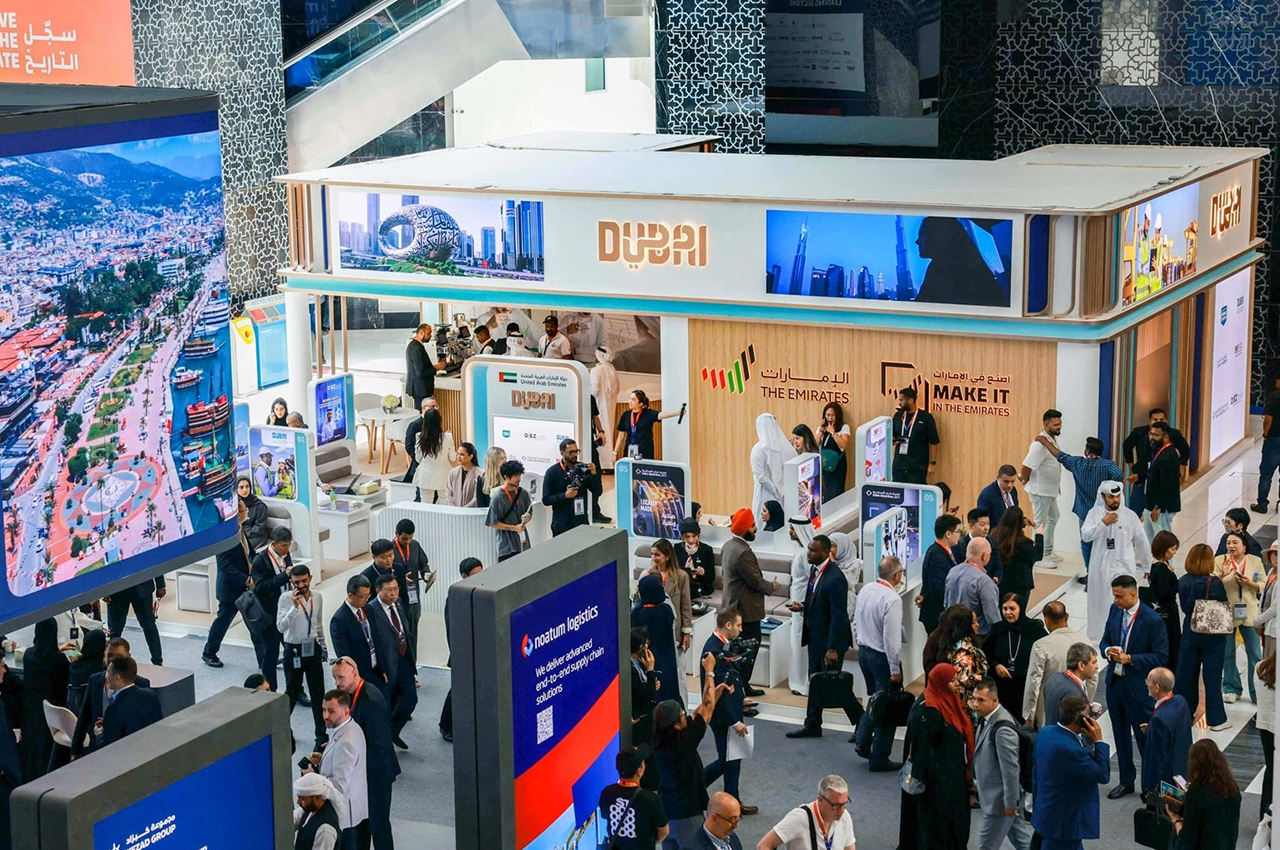
The UAE has launched the “Make it in the Emirates 2026” platform to boost industrial development, investment and increase local industrial output capacity. The project will help to build the nation’s industrial base, encourage private sector investment, and place the UAE in the international arena of advanced manufacturing.
What is ‘Make it in the Emirates 2026’ platform?
Make it in the Emirates 2026” is an umbrella initiative aimed at encouraging industrial investment and increasing domestic production in key industries.
It is part of the UAE’s wider industrial strategy and adds to this by:
- Linking investors to manufacturing opportunities
- Backing local and international industrial collaboration
- Simplifying access to industrial license and incentives
As part of the UAE’s efforts to lower import reliance and boost value chains, the platform will play a pivotal role in driving the economic growth of the region.The platform will be a key driver of regional economic growth and contribute to the UAE’s efforts to reduce its import reliance and boost local value chains.
So, why is the UAE moving towards industrialization now?
The UAE is planning to diversify its economy, with industrial development at the heart of this strategy. With the UAE less reliant on oil revenues, industrial development is a key part of the UAE’s economic diversification policy.
Main incentives for the programme:
- Growing demand for more resilient supply chains worldwide.
- Ramping up domestic manufacturing capacities
- Strategic target for increased share of non-oil GDP contribution
- The government is giving tremendous emphasis to the expansion and growth of the private sector, including SMEs.
The non-oil sector now accounts for over 70% of the country’s gross domestic product, and industrial growth will be vital to future economic development, UAE economic data showed.
Which sectors will be positively impacted by the platform?
The program aims to support a diverse sector of industries, especially advanced and high-value manufacturing.
Priority sectors include:
1. Advanced manufacturing
- Robotics
- Automation systems
- Precision engineering
2. Energy and petrochemicals
- Downstream oil products
- Industrial chemicals
3. Production of food and pharmaceuticals.
- Food security initiatives
- Local pharmaceutical manufacturing
4. Industries of technology and innovation.
- Electronics
- AI-driven industrial solutions
The sectors will see FDI and will also see industrial growth in the country.
What will be the platform’s contribution to the investors?
The UAE is making the platform a single source for industrial investment.
Key investor benefits:
- Quicker and more efficient industrial licensing procedures
- Access to Government incentives
- Direct links with manufacturers and suppliers
- Advice on Free zones and Mainland Industrial zones
It also reflects the efforts of the Ministry of Industry and Advanced Technology (MIAT), which is dedicated to enhancing the competitiveness of the UAE’s industrial sector.
So how does this affect employment in the UAE?
The platform is expected that it will create thousands of new skilled and semi-skilled jobs in the industrial ecosystem.
Employment impact:
- Experiencing a growth in demand for engineers and technicians. Seeing an uptick in demand for engineers and technicians.
- Logistics and Supply Chain roles have seen growth.
- Rise in manufacturing jobs. Growth of factory work.
- Increased representation of Emiratisation in industry. More opportunities for Emaratisation.
This contributes to the UAE’s overall vision to create a knowledge-based and industrially diversified workforce.
How does this align with UAE’s vision for the economy in the future?
This is closely aligned to major national strategies such as:
- UAE Industrial Strategy (Operation 300bn)
- UAE Vision 2031
- The concept of “Net Zero” and “Sustainability” goals.
The focus is on:
- Expanding manufacturing output
- Increasing export capacity
- Strengthening industrial self-sufficiency
This places the UAE as not only a regional economy, but a global manufacturing and trading center.
What is the function of free zones / industrial zones?
It will be central to the success of the platform with free zones and industrial areas expected to be its main hubs.
UAE industrial zones offer several benefits:
- Many zones offer 100% foreign ownership.
- Taxation and customs facilities
- World-class logistics infrastructure
- Close to the sea lanes of the world.Close to the global shipping routes.
Investors will be drawn to Zones in Dubai, Abu Dhabi, and other Emirates.
The significance for the UAE economy
The launch marks a definite move towards an industry-fuelled growth.
Economic implications:
- Healthier non-oil GDP growth
- Increased export diversification
- Better ability to withstand international price changes of oil.
- More involvement in the private sector
It also enhances the UAE’s global positioning in the supply chains, particularly in high value industries.
The UAE 2026 Platform is where you can find the answers to your questions.
1. What is the aim of Make it in the Emirates 2026?
It is meant to provide incentives for industrial investment, industrial development and support the UAE’s economic diversification agenda.
2. What are the industries that will get the most benefit?
Advanced manufacturing, energy, food production, pharmaceuticals, and technology sectors are key focus areas.
3. What does this benefit investors?
The platform features simplified licensing, incentives and direct access to industrial opportunities throughout the UAE.
4. Will this generate employment in UAE?
Yes. It will create a strong demand for jobs in the engineering, manufacturing and logistics industries.
Stay Ahead with DKI
The UAE’s industrial revolution is gaining momentum, and transforming the way the nation has produced, traded and compete with the rest of the world.
Follow Dubai Key Insights (DKI) for clear actionable insights into UAE industry, investment and economic strategy.