





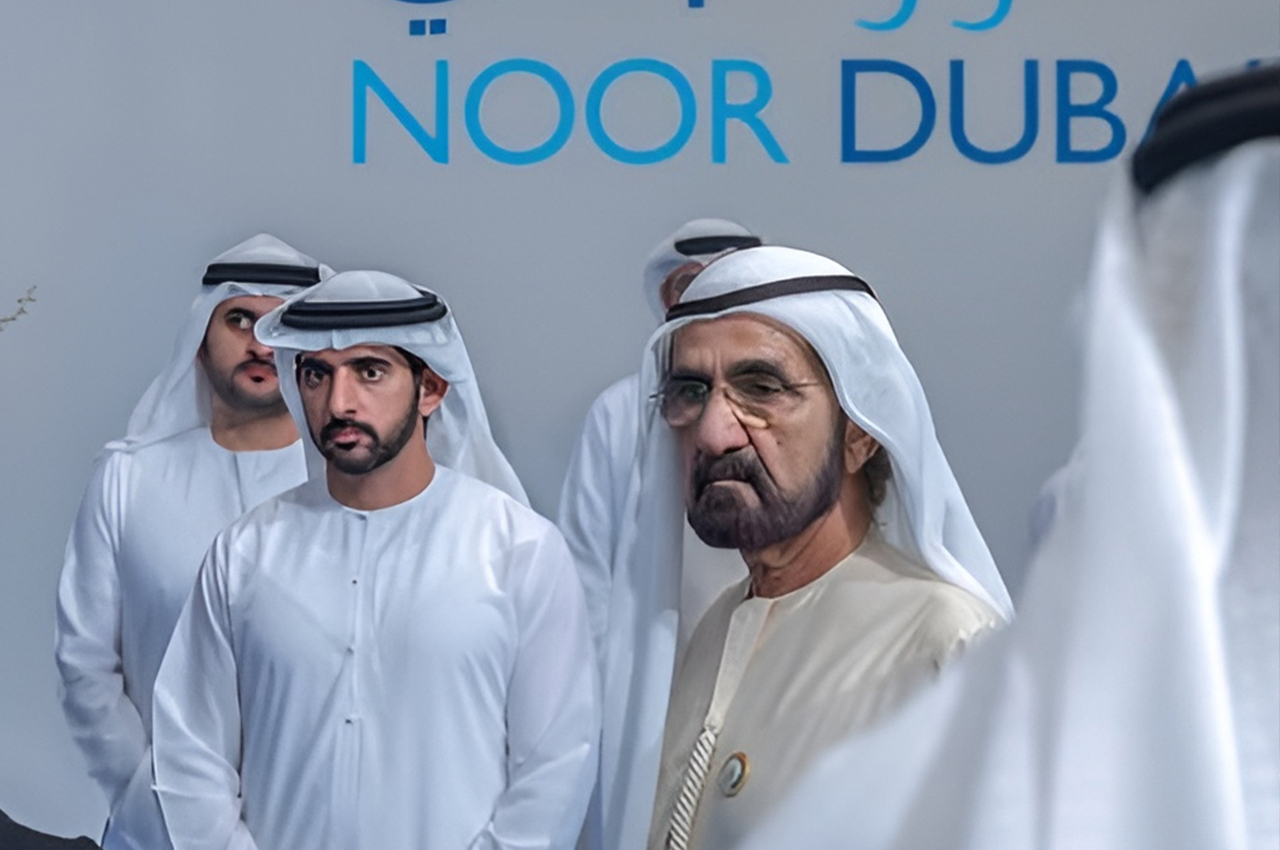
His Highness Sheikh Mohammed bin Rashid Al Maktoum has initiated a large-scale humanitarian programme to assist 7 million people in preventing blindness and visual impairment, continuing the UAE’s commitment to lead the world in healthcare philanthropy. The programme is centred around prevention of avoidable blindness, treatment, surgery and disease control measures, in developing regions, with collaboration with international health organisations.
The initiative is part of the UAE’s humanitarian ecosystem, led by Mohammed bin Rashid Al Maktoum Global Initiatives, to tackle massive health and development issues around the world.
What’s the new blindness eradication program?
The new programme has been announced and is a large-scale eye health campaign to combat preventable blindness globally. It will be used to help treat, identify, and provide medical outreach to millions of people in under-resourced communities.
It is hoped that the initiative will have an immediate impact on 7 million people, especially in areas with limited eye care services, and will contribute to the global action to end preventable vision loss.
It is based on previous UAE-led initiatives on blindness conducted by the Noor Dubai Foundation, a longstanding global force for eye health programmes.
So why does UAE consider blindness a global health priority?
Blindness is one of the most preventable and common disabilities in the world, especially in the low income areas where treatment is limited.
Seeks to tackle the major risk factors for avoidable sight loss such as:
- Untreated cataracts
- Trachoma infections
- Diabetic eye disease
- The lack of access to basic ophthalmic care.
- Lack of qualified eye doctors in rural areas
The programme concentrates on early intervention and treatment to minimise the need for disability in the long term and enhance the quality of life for millions of people.
What is the relevance of this initiative to the UAE humanitarian strategy?
The programme is part of the larger theme of Mohammed bin Rashid Al Maktoum Global Initiatives, bringing together key UAE humanitarian programmes in the areas of health, education and poverty reduction.
In the past, the base of this foundation has been:
- Healthcare and disease control
- Humanitarian assistance and relief
- Ability to access education and information
- Community development
- Innovation and entrepreneurship
Reporting indicates that MBRGI programmes have already reached hundreds of millions of people in over 120 countries, and are one of the largest philanthropic platforms in the world.
So what does make this initiative global?
It’s the size of the programme that makes it stand out. Instead of working on specific treatments, it wants to help realize a systemic healthcare impact in several countries.
Key features include:
- Mass treatment programmes for eye diseases have been carried out.
- Mobile medical camps in remote areas.
- Professional capacity building of local eye health workers
- Forming alliances and partnerships with international health organisations
- Long-term disease prevention strategies involve interventions that are taken before the onset of disease.
The strategy is to move from aid to building sustainable health capacity.
UAE’s long track record in fighting blindness
For almost 20 years, the UAE has been involved in the prevention of blindness, especially through the initiatives carried out by Noor Dubai.
Successful programmes have provided:
- Millions of eye treatments in the world.
- Thousands of sight restorative surgeries
- The community level efforts to eliminate the disease, trachoma.
- Expanding outreach to Africa and Asia. Outreach to Africa and Asia on a large scale.
The UAE’s continued commitment to vision health is also reflected in the treatment of millions of patients with eye disease programmes in isolation, as done in the past by the MBRGI.
How will you reach the beneficiaries of 7 million?
The timeline for deployment will be different in each region, but the initiative will run through:
- Regional eye hospitals and clinics.
- Mobile eye care units
- International NGO partnerships
- Collaborations with government health ministries. Partnerships with government ministries of health.
- Community screening programmes
This will prioritise areas of the world where cataract blindness is not being treated and infectious eye diseases are common.
Economic and Social issues surrounding blindness prevention. Economic and Social aspects of blindness prevention.
In addition to its medical impacts, vision loss has significant socio-economic effects.
Key impacts include:
- Reduced workforce productivity
- More elderly people within families
- Government finances are placed under greater strain. There is a greater strain on government health resources.
- Poor child education and achievement
- Increase in the incidence of poverty in impacted communities.
So preventing blindness is one of the most cost-effective global health interventions.
Here are some implications for global health initiatives: The implications for global health endeavours are:
The initiative further enhances the UAE’s status as a vital global player in health diplomacy, particularly in the fight against neglected diseases.
It also supports regional initiatives, including those supported by global organisations like the World Health Organization, which has made it a priority to eliminate avoidable blindness and vision impairment.
FAQ
What is Sheikh Mohammed’s new initiative about?
The aim of the initiative is to prevent and treat blindness and visual impairment in 7 million people in the world by implementing healthcare outreach programmes and prevention and treatment.
Who is the programme being led by?
The project is spearheaded by the Mohammed bin Rashid Al Maktoum Global Initiatives, with the participation of targeted eye health projects like Noor Dubai.
What are the reasons for blindness in the regions being targeted?
These include the failure to treat cataracts, infections such as trachoma, diabetes-related conditions and unavailability of basic eye care services.
What will the outcomes of the initiative be for people?
Eye Examinations, surgeries, medicines and long-term treatment support will be provided to the beneficiaries through clinics, mobile clinics and partner hospitals.
Keep up to date with DKI
From humanitarian efforts to healthcare diplomacy, economic and development initiatives, Dubai Key Insights (DKI) provides comprehensive analysis of the UAE’s efforts in the international arena, providing readers with a clear understanding of Dubai’s influence on the global stage.