





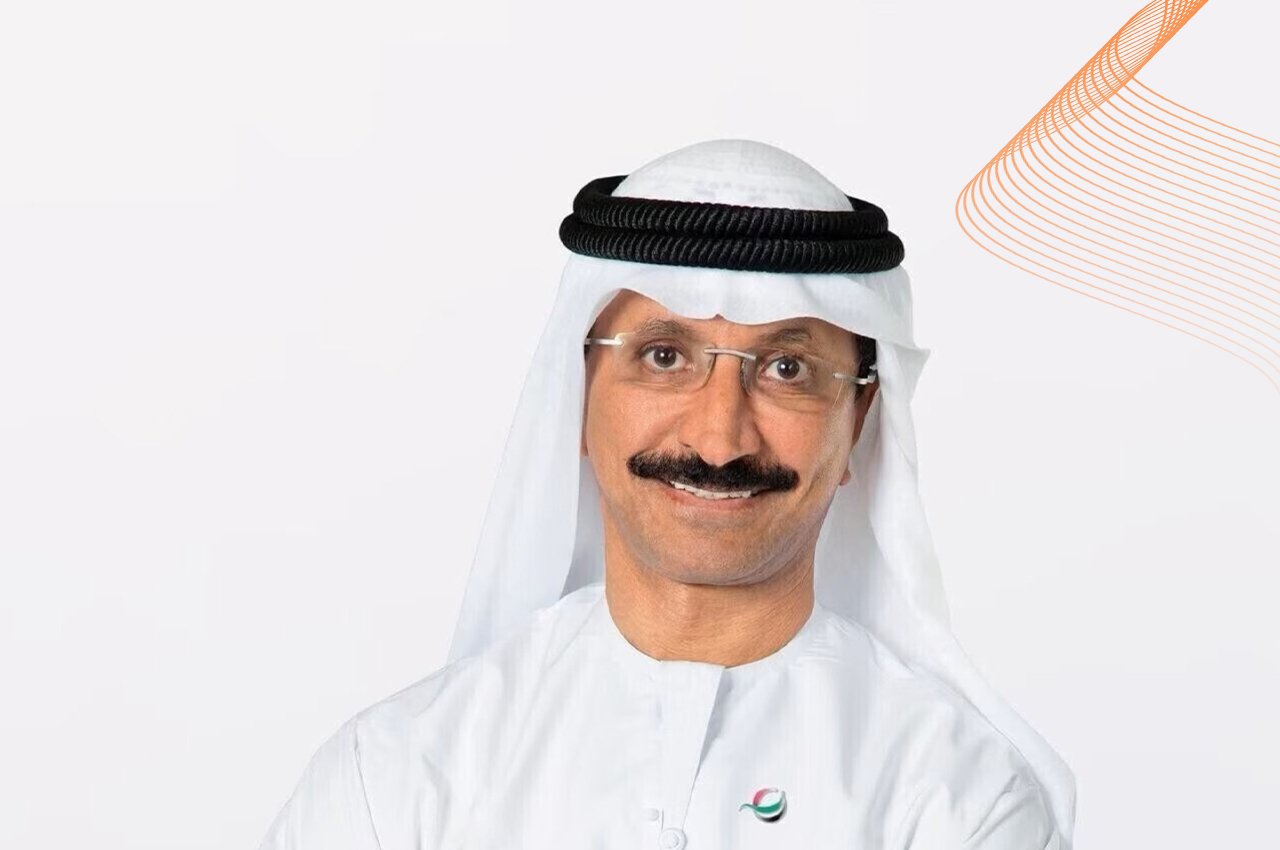
Few changes are as noticeable as DP World’s emergence when examining the worldwide port operations in the world. A regional Dubai ports authority became a global logistics giant, and this evolution forever affected the way merchandise is transported between continents. Sultan Ahmed bin Sulayem played a pivotal role in this transformation, establishing Dubai as a key player in international trade and commerce.
The story of DP World’s rise to global status is one of the interplay between local infrastructure, strategic investments abroad and visionary leadership. This transformation paved the way for the present trading network, with solutions to supply chains, smart logistics technology and unprecedented trading growth across continents.
The Foundations: Dubai Ports Authority History and Early Operations
It all started when it was decided to make Dubai a strategic port and use its sea front for trading and commerce. Maritime trade was scattered around the Gulf in the late 20th century. This was the beginning with the establishment of the Dubai Port Authority (DPA) and further significance was added with the creation and development of Jebel Ali Port (JAP).
Early in the day, Sultan Ahmed bin Sulayem realized that a port cannot operate alone. Ports had to be connected to the commercial area directly to achieve maximum speed and efficiency.
The Masterstroke of Jebel Ali Free Zone (JAFZA)
Jebel Ali Port’s merger with the JAFZA growth model has revolutionized the way trade is perceived in the Middle East. Dubai’s tax benefits, 100% foreign ownership and zero customs duty in the free zone brought multinational corporations in droves.
No paperwork was required for cargo to arrive at Jebel Ali Port and go straight into the JAFZA warehouses, and multimodal infrastructure ensured that sea and road journeys were seamlessly linked with the burgeoning highway network and local air cargo hubs. This seamless model port and free zone made non-oil trade an important factor for the economic development of UAE and clearly showed that a port was not simply a place where ships docked but is the mainstay of an entire trade system.
Taking Dubai’s Blueprint to the World: The DP World Global Expansion
The leadership had mastered the integrated port and free zone concept in Dubai and looked to open and expand worldwide. DP World was established in 2005, when Dubai Ports Authority and Dubai Ports International were merged. It was one of the largest international acquisition campaigns ever in the history of shipping.
DP World has made an ambitious move into the international arena with the purchase of CSX World Terminals in 2005. The acquisition of Peninsular and Oriental Steam Navigation Company (P&O), an operator based in the UK, was the next landmark deal and brought DP World into the ranks of the world’s biggest port operators almost overnight in 2006.
Key International Strategic Assets
DP World strategically acquired key assets and made green field investments in key trade lanes all over the world. In Europe, DP World London Gateway developed a cutting-edge Deep Sea Container Port and Logistics Park, providing a range of deep sea port facilities to major markets. DP World India Ports built large terminals in Mundra, Nhava Sheva, Cochin and Mumbai to dominate the high-growth Asian region routes across South Asia.
The expansion expanded further with DP World Africa projects, with the construction of deepwater ports in Senegal, Mozambique, Somaliland and Rwanda, thereby creating new trade routes through sub-Saharan countries. At the same time, strategic investments in DP World Asia Pacific Ports resulted in port acquisition in East Asia, South Korea and Australia, while DP World Americas expansion led to the modernisation of port operation in Brazil, Chile, Peru and Canada. DP World secured marine ports at key shipping routes, making it a global logistics network that can process tens of millions of TEUs per year.
Sultan Ahmed bin Sulayem Leadership Style and Strategic Vision
Sultan Ahmed bin Sulayem’s bold leadership is what propelled the rapid rise of DP World. He was a businessman who also invested in infrastructure in a long-term fashion. He didn’t think of ports as bricks and mortar; he thought of them as a moving part of an end-to-end global supply chain.
His strategic thinking was largely geared towards growing beyond terminal operations to feeder shipping, inland logistic parks, marine services and end-to-end cargo tracking solutions. His focus was on capturing a first-mover advantage in emerging markets and he poured substantial resources into developing markets in Africa, Central Asia and Latin America well before international players did. Moreover, he used public-private partnerships to work directly with sovereign governments to improve vital national infrastructure and to obtain long-term operating concessions. By taking a proactive stance, DP World was able to navigate through global economic fluctuations, supply chain challenges, and market corrections, ensuring ongoing growth and expansion across the globe.
Smart Logistics Technology and Digital Transformation
Physical infrastructures are no longer sufficient in the modern times to gain competitive edge. Sultan Ahmed bin Sulayem invested heavily in smart logistics technology and digital solutions to remove friction from the international trade lanes, and DP World is delivering on these investments.
The port handling functions have changed from traditional to high-tech, thanks to automation and digital platforms. At key ports such as Jebel Ali Port, automated stacking cranes, remotely operated quayside cranes and AI-powered vessel scheduling reduced vessel turnaround.
Digital Platforms Reshaping Global Cargo Flow
Digital innovation was rolled out throughout the layers of cargo management. With CARGOES by DP World, shippers got an enterprise software suite that tracks cargo in real time, offers trade finance solutions and enables intelligent, global route optimization.
Operations are also optimized with BoxBay High-Bay Storage, an innovative container stacking system that can stack containers up to 11 high to significantly gain port capacity with less footprint and energy consumption. Also, the Digital Freight Alliance created an online marketplace linking small and medium freight forwarders to the global logistics tools. These technological developments transformed DP World into a digital logistics enabler, enabling the cargo owner to be able to track, manage and fund their cargo from origin to the final destination.
Sustainability and the Future of UAE Logistics
DP World’s operational strategy is increasingly evolving with the global decarbonization agenda and the UAE’s sustainability initiatives, as global trade policies increasingly take environmental considerations into account.
The company pledged to become a net zero carbon company by implementing net zero across its global portfolio by 2050 with medium-term targets on electrifying port machinery, installing solar power in logistics parks and investing in green hydrogen facilities.
The legacy built during the era of Sultan Ahmed bin Sulayem established a robust foundation for DP World’s ongoing global influence. By combining world-class marine terminals, extensive logistics parks, cutting-edge digital platforms, and forward-looking sustainability frameworks, DP World remains a central pillar of global commerce and a testament to Dubai’s vision as a global trade powerhouse.
Frequently Asked Questions (FAQs)
Q1. Who is Sultan Ahmed bin Sulayem?
A1. Sultan Ahmed bin Sulayem is a prominent UAE business leader who served as the long-time Group Chairman and CEO of DP World. He played a central role in transforming Dubai’s port infrastructure and building DP World into a global trade and logistics leader.
Q2. What is DP World known for?
A2. DP World is known for operating an extensive global network of marine terminals, port facilities, logistics parks, free zones, and digital supply chain solutions across more than 60 countries on six continents.
Q3. How did Jebel Ali Port contribute to Dubai’s economy?
A3. Jebel Ali Port, combined with the Jebel Ali Free Zone (JAFZA), established Dubai as a global logistics hub. It enabled seamless sea-to-air cargo movement, attracted international corporate investment, and became a main driver of non-oil trade growth in the UAE.
Q4. What countries does DP World operate in?
A4. DP World operates port terminals, logistics centers, and maritime services across the Middle East, Europe, Africa, Asia-Pacific, South Asia, and the Americas, including major assets in the UK, India, South Korea, Brazil, Senegal, and Canada.
Discover More on Dubai Key Insights
Stay ahead of the curve with in-depth analysis on Middle Eastern commerce, real estate, aviation, and corporate trends. Subscribe to Dubai Key Insights today for exclusive reports and expert commentary on the business shifts shaping Dubai and the wider region.