





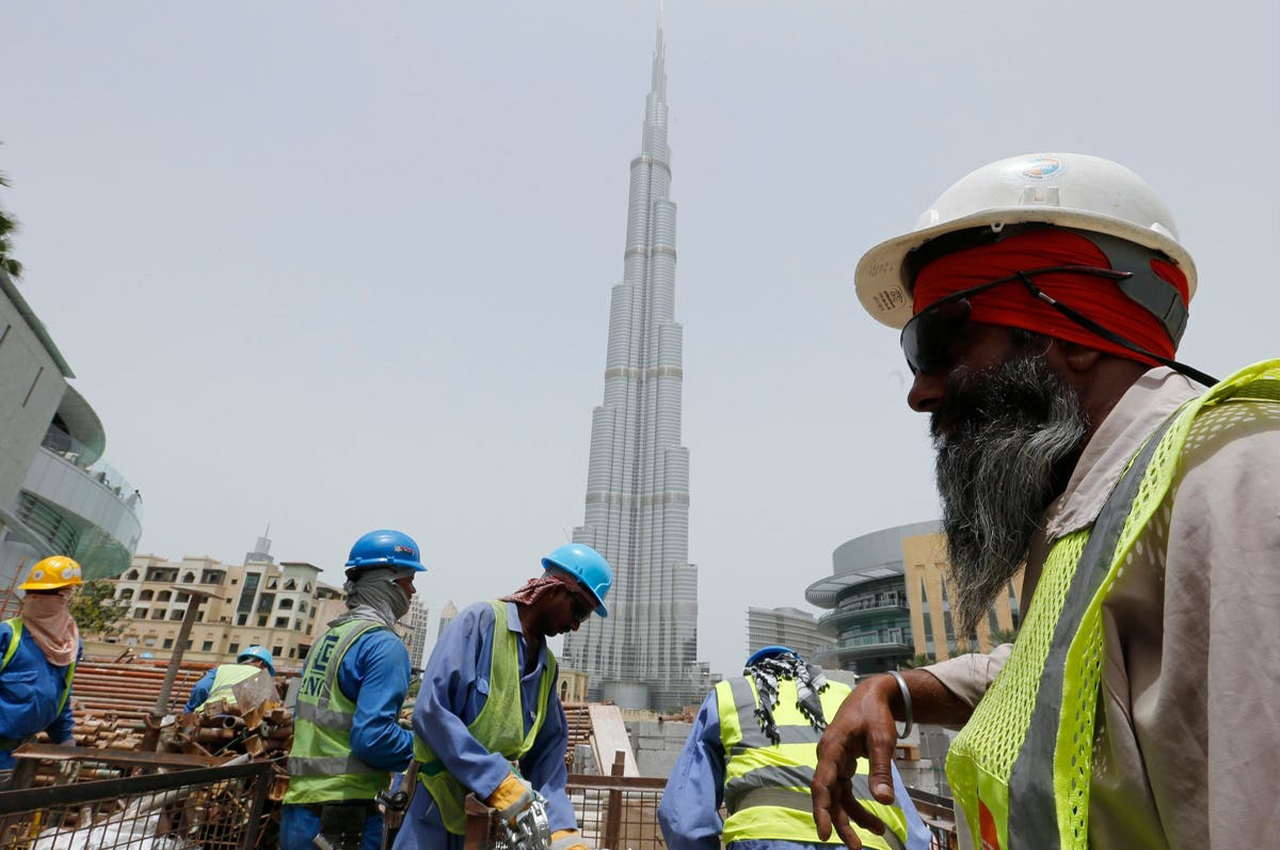
The Emirates Summer is beautiful, however, it also accompanies significantly higher temperatures and the requirement for smart and proactive precautions to stay safe. Large-scale business or local private sector? Then there’s a big regulatory change you need to put on your calendar, so you know what to expect. The Ministry of Human Resources and Emaratisation (MoHRE) has officially declared the resumption of the annual summer programme aimed at protecting the health and safety of outdoor workers.
UAE midday work ban 2026 is officially back with its 22nd consecutive year, across the country on June 15.
If you’re an employer looking to have a flawless operational compliance or a professional at the site, it’s vital you know these seasonal changes. Let’s start in the nitty-gritty of the working ban in the UAE in June 2026, the essential timelines, the strong regulations, the strict legal exemptions and the severe consequences for violating working times.
Understanding the UAE Summer Work Ban Timings
The main goal of the Dubai midday work ban 2026 program is to shield field workers from the high temperatures of the day. The policy acts as a first line of defence against the potentially very serious medical issues caused by the heat: dehydration, physical heat exhaustion and heatstroke.
What times will the work ban UAE be in effect for midday?
If you’re wondering what time is midday work ban UAE applies, the ban applies to all open air work during the day. The UAE work ban 12:30 to 3pm 2026 means that all work out of doors in full sun must cease completely between 12:30 PM and 3:00 PM all twenty-six days of the period.
Here are some of the critical dates to keep in mind:
The national policy has a wider time window, during the hottest part of the summer. The UAE work ban June- September 2026 cycle will be in effect for a period of three full months starting from June 2026 and ending September 2026:
- Official Start Date: June 15, 2026.
- The official End Date: September 15, 2026
This particular time frame will require that all businesses working in open environments alter their regular day to night routine in order to receive this essential, required rest time.
Employers have responsibilities which include required safety measures.
Adherence to the MoHRE midday break rule 2026 is not just about switching off equipment at 12:30 PM. The owners and operators of businesses and field operations are legally obligated to create an environment that encourages human health. The authorities hope businesses will make “clear and practical” changes to enable employees to rest during the hottest parts of the day.
With the UAE Outdoor Work ban coming into effect on June 15, employers need to ensure that the following are the standard amenities at all active worksites:
- Shaded Rest Areas: These are resting places where the field personnel are completely protected from direct sunlight in the afternoon break times, and are fully shaded or well ventilated or cooled.
- Ensure adequate hydration supplies: Employers shall ensure the continual provision of adequate clean, cold drinking water and hydrating electrolytes or essential salts to replace hydration losses.
- Cooling Equipment: Resting areas should have adequate industrial fans, misting equipment or air-conditioning installed to control temperatures on site.
- First Aid Access: There should be a full complement of standard first-aid supplies and basic medical welfare supplies on-site to deal with any immediate reaction to heat or medical emergency.
Outline essential MoHRE Outdoor Work Ban Exemptions.
The afternoon safety requirement is very specific, but MoHRE does know that in some critical sectors it may not be technically feasible to stop operations in the afternoon. In order to avoid large-scale disruptions to the public, certain MoHRE outdoor work ban exemptions are made for projects that would pose civic risks or be severely impacted if work were to be halted.
There are no afternoon restrictions for the following essential activities:
- Critical Concrete and Asphalt Work: Technical work that cannot be stopped or delayed in the process, such as concrete pouring or asphalt paving.
- Emergency Infrastructure Repairs: Immediate technical repairs needed to fix damage to the structure or restore critical utility services, like water main leaks and electrical power grid disruptions.
- Public Safety and Traffic Management: Rapid fire emergency work that is necessary to restore disrupted traffic flows, clear public roads, and/or secure public hazardous locations.
Important Note for Employers: If a business qualifies for these technical exceptions, it doesn’t relieve management of its legal responsibilities to provide sufficient drinking water, cooling facilities, and safe and shaded breaks for all those that are on duty.
Strict Penalties: Outdoor Work Ban UAE Fines 2026
The Ministry of Human Resources and Emiratisation has a zero tolerance policy towards any violations that may occur during the summer break law. The government carries out both surprise workplace checks and sophisticated digital monitoring to achieve optimum workplace compliance nationwide.
Companies that violate regulations pertaining to the private sector that were issued by the UAE government during the day will be liable to heavy financial and administrative fines. The official UAE fines for outdoor work are broken down as follows:
| Violation Metric | Fixed Statutory Penalty |
| Per Worker Found On-Site | UAE midday break fine Dh5000 |
| Maximum Total Fine Cap per Company | Dh50,000 |
In addition to these stiff corporate penalties, there are further administrative sanctions for repeat or ongoing breaches. If a company’s compliance is poor or if there are repeated compliance issues, the company’s formal MoHRE classification can be officially downgraded, and their corporate work permits may be temporarily suspended.
The UAE has strict regulations in place regarding the ban on working during the day.
Community awareness and community responsibility plays a key role in the spectacular success of the UAE’s heat stress protection policies. Co-operation between the private sector, inspectors and the public has ensured compliance in recent cycles has always been over 99% and often exceptionally high.
Should you be observing a business that is violating the afternoon sun restrictions at any time from June 15- September 15, you can raise your concerns immediately. Reporting violations of the guidelines for work bans during the day in UAE is straightforward and the reporting can be done via any of MoHRE’s official public communication channels:
- Direct 24-hour Call Center: Contact the ministry’s direct hotline (600590000).
- Digital Portals: Report online through the official website of MoHRE.
- Mobile Application:The official MoHRE smart application for iOS and Android devices, for upload of location information and pictures in just a few seconds.
Frequently Asked Questions (FAQs).
Q1. Which groups will UAE midday work ban 2026 affect?
A1. The seasonal policy covers all workers in the construction sector, who work out in the open, directly exposed to the sun and are paid by the private sector in the UAE.
Q2. Do delivery riders fall within the scope of the mid-day break?
A2. Yes, delivery riders are protected closely as part of these summer safety campaigns. In collaboration with key ‘eating and drinking’ apps, thousands of specially shaded air-conditioned rest hubs are regularly set up throughout the country for the benefit of riders who need to cool down during the hottest hours of the day.
Q3. Is it possible for businesses to adjust working times to the evening?
A3. Absolutely. MoHRE actively promotes the re-scheduling of the daily activities of employers during the summer season. It’s not impossible to implement a split shift or an evening schedule that will be productive enough to compensate for the midday break and still keep staff completely out of the extreme heat.
Practical Compliance Checklist for UAE Businesses.
With safety guidelines set to change in the summer, there are a few things to keep in mind to ensure your business is fully up to speed before June 15.
- Change work shifts as needed to fit the required 12:30 PM to 3:00 PM break.
- Establish shaded and well-ventilated or air-conditioned rest areas around active work areas.
- Ensure access to adequate, safe, and cold sources of drinking water and electrolyte drinks.
- Check in-house first aid kits and provide team training to recognize early symptoms of heat fatigue.
- If your activities are eligible for technical exemptions, then get the required permits from the government.
These proactive measures will ensure your business has a hassle-free, compliant summer and helps create a safe, healthy, and highly productive workplace for all.