





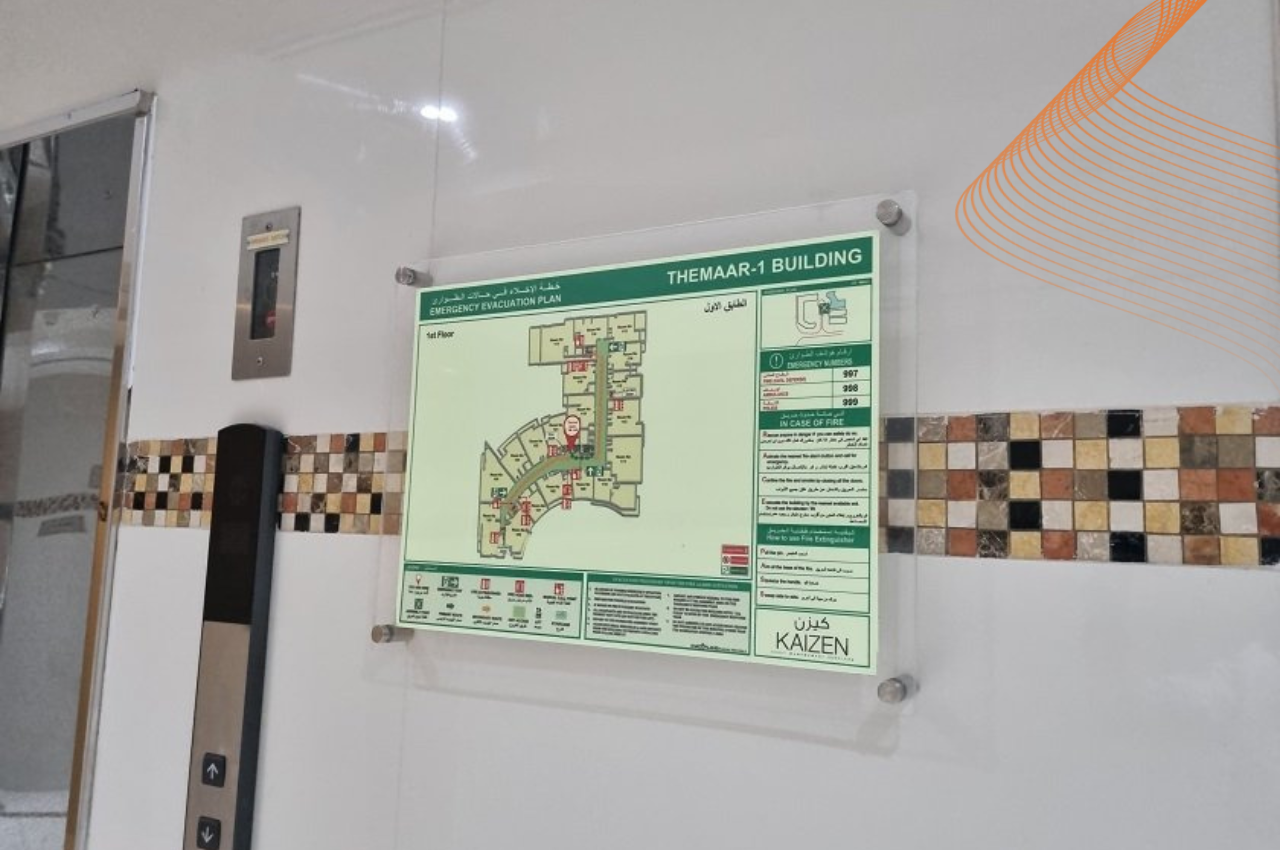
In the fast-paced UAE, safety infrastructure is the silent workhorse of everyday normalcy. From the hectic skyscrapers of Dubai to the picturesque suburban villas of Sharjah and the thriving business environment in Abu Dhabi, it is crucial for everyone in the city to know how emergencies are addressed.
The UAE has adopted advanced early-warning technologies, uptick civil defense protocols, and optimised disaster management processes in 2026. Whether it is a severe weather disturbance, a rain flood or an incident involving fire in industry, or fire safety measures in buildings, knowing precisely what to do during an emergency evacuation in the UAE can save lives.
Understanding the UAE Emergency Alert Framework in 2026
The National Emergency Crisis and Disaster Management Authority (NCEMA) is the primary coordination body on the level of a country for crisis readiness. NCEMA working with the Ministry of Interior, local Civil Defense commands and municipal emergency response teams ensures a coordinated response in the event of a public safety event.
The Integrated Early Warning System
The UAE’s Early Warning System provides current cellular wide alerts straight to mobile units inside specific geographic regions in 2026. These alerts supersede the regular “silent” profiles and deliver messages of public safety importance.
When weather and/or environmental conditions alert, they are activated when extreme storm fronts, flash flood warnings, or heavy coastal fog reduces visibility to a very low level. Large scale structure fires, industrial incidents or hazmat containment actions that necessitate immediate area clearance will trigger civil defense and industrial safety alerts. National safety alerts are triggered during national security contingencies and/or during major regional hazards where immediate shelter-in-place or evacuation (structured) responses are required.
Step-by-Step Building Evacuation Procedure
High-rise residential towers and commercial skyscrapers demand adherence to set UAE building evacuation protocols.
Alarm Recognition and Immediate Action
Stop activities and if a continuous building fire alarm sounds or an official NCEMA evacuation alert is received, STOP IMMEDIATELY. Don’t gather unnecessary personal belongings. Grasp the importance of using the back of your hand to touch the door handles before opening and if the door handle is warm, choose another way out.
Stairwell Progression
In an emergency evacuation, do not use elevators or lifts as they can become inoperable and panic may cause people to get trapped in their shaft. Take active steps in following the instructions of the civil defense officials and walk away from the stairs along the right side to make it easier for civil defense officials to climb up the stairs. Close emergency doors behind you to slow the spread of fire and smoke.
Assembly Point Protocol
After exiting the building structure, immediately go to the pre-designated Evacuation Assembly Point located outside the building boundary. Keep away from outside of buildings to protect from flying glass and other debris. Report to building safety wardens and security supervisors to assist with headcounting.
Weather Emergencies: Handling Torrential Rain, Storms, and Floods
In recent seasons, the significance of natural disaster management measures has been more evident than ever in Dubai, Abu Dhabi, Sharjah and the Northern Emirates due to the frequency of intense rainfall and the risk of flash floods.
Guidance for Drivers Caught in Flooding
Do not try to cross piles of water or wadi beds, as minimal flow can cause loss of control, engine stalling and washout. When road conditions deteriorate quickly, stop at a higher elevation, turn on the flashing lights and stay in the vehicle unless the water level rises in the car. Avoid entering otherwise if water begins to level with and the vehicle stalls (if currents are low velocity, exit slowly from the vehicle to a raised pedestrian structure).
Indoor and Residential Precautions
If water is entering into premises on the ground floor make sure to disconnect heavy electrical appliances from the main switchboard. Store expensive electronics and paperwork upstairs, and take heed of municipal messages on urban drainage conditions and road closures.
Essential UAE Emergency Contact Directory
Save these official emergency numbers on all your devices so that they are easily accessible when an emergency arises. The Police can be contacted across the country using 999 for emergencies, life threatening situations or crime. Call 998 for medical emergencies that need immediate transport; they have Ambulance service across the country.
In the event of a structural fire, rescue efforts or hazardous materials incident, please call Civil Defense directly at 997. If there is any electricity or water related disruption, please call DEWA in Dubai on 991 or TAQA in Abu Dhabi on 992. In case of a maritime and coastal emergency, the Coastal Guards will be contacted at 996, and in case of emergency, Red Crescent’s will be contacted throughout the country at 800 733.
Regulatory Compliance and Workplace Drills in 2026
New federal rules require business owners or residential property management companies to perform regular workplace evacuations. High occupancy buildings will have to have trained and certified floor wardens trained in crowd management and evacuation coordination. In modern installations, direct telemetry connections between the building alarm boards and local Civil Defense monitoring centres for automatic dispatch are used. In addition, the stairways, fire doors, and clearance areas in corridors are subject to unobstructed access, and forfeit administrative fines if otherwise obstructed.
Frequently Asked Questions (FAQs)
Q1. What is the standard emergency evacuation procedure in the UAE?
A1. The current policy is to stop all activities as soon as the alarm is sounded, use only the stairs to evacuate the building, go to the outside assembly area and wait for the instructions of the Civil Defense or building security wardens.
Q2. How do I receive official live emergency alerts in the UAE?
A2. Emergency alerts are made through the national cell broadcast system operated by NCEMA and telecom companies. Make sure that the emergency broadcast function is enabled in your cellphone’s notification settings.
Q3. Which number should I dial for a structural fire or building rescue?
A3. Call Civil Defense directly at 997. Emergency and serious health care needs or crime in progress: 998 (Ambulance) or 999 (Police).
Q4. What should residents do during severe rain or flood alerts?
A4. Do not do any unnecessary driving, stay out of low-lying wadis and valleys, make sure to tie up anything that can move outside, follow official information services (such as NCEMA and regional roads and transport services) for up-to-date safety advice.
Stay Informed with Dubai Key Insights
Safe safety starts with the proper information. Dubai Key Insights provides trusted news, civil safety information, municipal notifications and useful information for citizens in the UAE.
Bookmark our safety hub to access real-time policy updates, regulatory breaking news, and local emergency guidance whenever you need it most. Stay alert, follow official instructions, and keep your household prepared.