





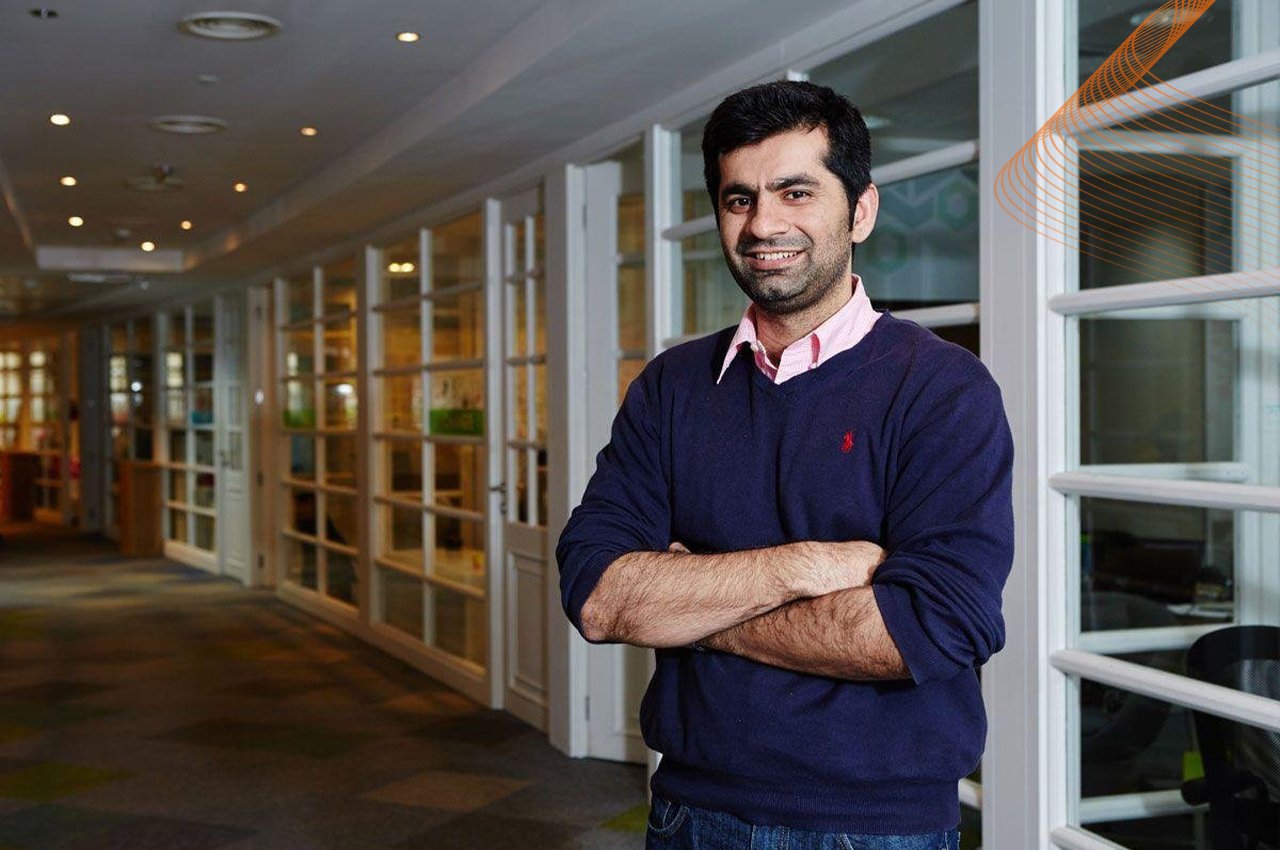
Becoming a successful technology business in emerging markets demands resiliency, local knowledge, and great adaptability. Careem is the biggest success story in the Middle East tech scene. These three entrepreneurs whose vision and foresight created an app that has become a multi-billion dollar daily super app, beating global giants in the Middle East, North Africa and South Asia in the Middle East.
The Spark Behind the Giant: The Careem Founders Story
In 2012 management consultants Mudassir Sheikha and Magnus Olsson were on the road frequently for McKinsey & Company in Dubai throughout the region. They first hand experience the chaos of regional transport and resolve to solve a real everyday problem. Careem began as a company-owned taxi service that was accessible online, but with the rapid growth of smartphone ownership, the founders switched to a service for consumers.
Meet the Co-Founders
Each of the three founders had their own unique strengths that enabled Careem’s expansion.
Mudassir Sheikha hails from Karachi, Pakistan, has an undergraduate degree in Computer Science and Economics from the United States, and has worked in Silicon Valley prior to joining McKinsey. As the CEO he gave the vision and discipline to grow the business.
Magnus Olsson introduced human-centric leadership and technical skills from Lund University and McKinsey. As Chief Experience Officer, he helped define Careem’s purpose-led culture, driver wellbeing initiatives and customer trust.
Dr. Abdulla Elyas joined following the acquisition of his Saudi platform by Careem called En3am. Having been born in Germany and earned a Ph.D. in Computer Science, Abdulla was able to navigate Saudi Arabia’s intricate market with a keen understanding of local consumer habits and laws.
Winning Through Hyper-Local Execution
Careem’s success was found in its adaptation to local reality, while other global competitors followed the western playbook.
To cater to the low level of credit card penetration in certain areas, Careem took cash payments since the beginning. They called their driver-partners “Captains,” provided them with service hubs, health insurance and a respectable income to ensure driver loyalty. Moreover, Careem developed an own mapping solution for places with no postal address, as well as an application that works with landmarks.
Expansion into MENA’s First Super App
Careem has grown beyond the rides to take advantage of its extensive network of drivers and daily active users in four key areas:
- Mobility: Ride-hailing, taxis, car rentals, and micro-mobility bike networks.
- Delivery: Restaurant food delivery and quick-commerce grocery dispatch.
- Financial Services: Careem Pay digital wallet for bill payments and peer-to-peer money transfers.
- Lifestyle Services: Home cleaning, laundry, and event ticketing integrated through the Careem Plus subscription.
The $3.1 Billion Uber Acquisition
Uber bought Careem in March 2019 for 3.1billion, which included $1.7 billion in convertible notes and $1.4 billion in cash. The deal was finalized in early 2020, making this the first large tech unicorn exit in the region. Careem maintained its own culture, management and brand, and the buyout also provided the capital for hundreds of new startups in the MENA region by former employees.
Strategic Comparison: Careem vs Global Competitors
It helps to compare the company’s choices with the traditional international tech playbooks in a few key areas to understand why it has been able to withstand the challenges faced by others.
In terms of payment, global tech platforms adopted credit card, and delayed rollouts of cash payments, while Careem integrated cash payments from day one. Careem’s driver relations were built around a Captain model with dedicated service centres, as opposed to a transactional, algorithmic approach with global platforms. Global competitors used the standard mapping APIs, Careem has created its own landmark-based routing and local coordinates for navigation and mapping. On a regulatory strategic level, global companies had a tendency to enter markets with a lot of legal hassles while Careem actively engaged in a dialogue with local authorities. Last but not least, platform visionists kept the one purpose app vision while Careem developed an everyday super app that has multiple services.
The Ecosystem Today: Scale, Operations, and Future Horizons
Careem is always pushing for the next level of digital convenience in the region. Currently, the platform operates in more than 30 major cities of the Middle East, North Africa and South Asia, with over 100 million registered players and over 1 million Captains earning through it.
The company’s strategic roadmap remains based on three pillars. First, they’re growing utility for super apps by adding more daily use services in major cities such as Dubai, Abu Dhabi, Riyadh, and Jeddah, from home cleaning and laundry to tickets and payments. Second, they are pushing fintech on an accelerated path by increasing their presence in the digital wallet market, cross-border remittances, and merchant payment systems, all with the aim of promoting financial inclusion in underbanked markets. Third, they are focusing on enhancing sustainability and green mobility initiatives, such as the introduction of electric vehicles, the development of micro mobility systems such as public bike sharing, and the use of logistics algorithms to reduce carbon emissions in dense metropolitan areas.
Key Lessons for Emerging Market Founders
Careem demonstrates that startups in emerging markets cannot be based on any Western model, they need to address local pain points. A good company culture is a formidable competitive barrier and a clear understanding of the purpose makes for good commercial scale.
Frequently Asked Questions (FAQs)
Q1. Who founded Careem and when was it started?
A1. It was in July 2012, when Mudassir Sheikha and Magnus Olsson founded Careem, shortly followed by the arrival of Dr. Abdulla Elyas as a co-founder.
Q2. How much did Uber pay to acquire Careem?
A2. In early 2020, Careem was sold to Uber for $3.1 billion.
Q3. Does Careem still operate as a separate brand?
A3. Yes, Careem is a brand and a fully-owned subsidiary that is led by its own leadership team.
Q4. What services does the platform offer today?
A4. Careem provides ride-sharing, food and grocery delivery, digital payments using Careem Pay, bike rentals, and home cleaning services.
Q5. Which countries does Careem operate in?
A5. Careem is available in the main cities of the UAE, Saudi Arabia, Jordan, Egypt, Pakistan and Kuwait.
Discover Regional Business Trends with Dubai Key Insights
You get direct coverage of the tech, investment and the trends that drive the economy in the Middle East at Dubai Key Insights. Get the weekly business newsletter from Business Watch every week, find our startup analysis and connect with other business leaders in the region today.