





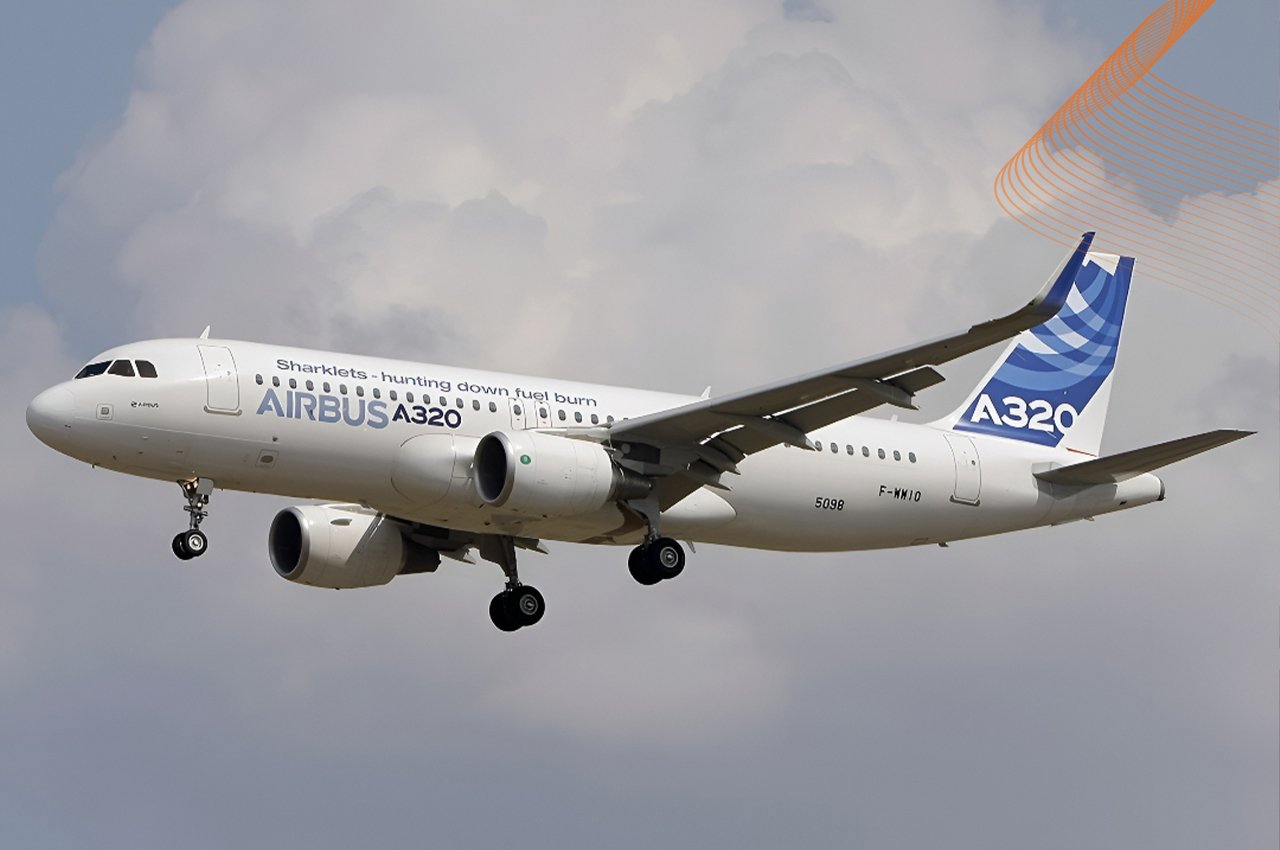
So when you gaze up at the Dubai, Doha, Riyadh or Sharjah skyline, the chances are extremely high that you’re seeing an Airbus A320 family member soaring overhead. Enter any of the key regional centres of operation and you will almost immediately see that single-aisle aircraft are quietly powering the system of regional mobility. Growth in Middle East 2025 and beyond has taken off, and at the core of this growth is one aircraft lineage that has been capturing the imagination and orders of virtually everyone in the region.
Gulf aviation was limited to the days of the large twin-deck jets that transported passengers across continents. But in the real world today, short-haul and medium-haul services serve as the backbone of regional commerce, tourism and business travel. To comprehend the reasons behind this particular jet family being the backbone of the skies, the airline economics, comfort, climatic adaptability and market positioning of the entire Middle East should be taken into account.
Aviation’s emergence towards narrow-bodied dominance in Middle Eastern operations.
For years, Middle East aviation stories were confined to huge wide-body flagships linking mega-hubs such as Dubai and Doha to distant points around the world. Although all of those long-distance routes are important, a shift in the structure of regional routes is also occurring. Market analyses, such as figures often referenced in a CAPA Middle East aviation report, indicate that the region’s point-to-point connectivity between the Gulf, Levant, North Africa and the Indian subcontinent is the fastest-growing area of traffic.
That’s where the Airbus A320 family comes in as an indispensable asset. Airlines have been transitioning to high frequency, low-cost regional operations, and operators must have a workhorse that will deliver passengers while keeping costs down. It is not only a wide-bodied emblem of long-haul luxury service; the most popular Middle East operator’s airplane today is the nimble and effective narrow-body type, which enables high-frequency regional commuting to be profitable.
The single-aisle fleet offers the perfect combination of frequency and seats to wide-bodieders on shorter sectors, whether it be for business travellers transferring from Dubai to Riyadh, or holidaymakers on holidays to the Mediterranean coast.
Unmatched Fuel Efficiency, Operational Range & Economics
Why is it that fleet planners and airline executives always select this aircraft family instead of other platforms? It’s down to a simple operational economics answer. Airbus A320 fuel efficiency has become an industry leader in commercial aviation and provides airlines with an important margin of safety against fluctuating global fuel costs.
Environmental challenges are specific to the Middle East. Aircraft engines and airframe systems must operate in extreme ambient conditions in the desert, where the temperature is high, humidity is high, and there is dust. The aerodynamic design and environmental control systems of these jets are superior in hot weather taking off at high altitudes, a situation where payload can often be sacrificed.
A320neo vs A320ceo: The Modern Architectural Evolution
The evolution of older generations to modern ones was a pivotal moment for regional fleets. The difference in technology between A320neo and A320ceo is significant. Modern Pratt & Whitney PurePower Geared Turbofan and CFM International LEAP-1A engines reduce fuel usage and carbon emissions by 15% to 20%. Moreover, the large wingtip devices called sharklets decrease drag, improving the range of regional flights, yet have the ability to lower the noise footprint by 50%.
In addition, the range and capacity figures for the Airbus A320 provide fleet managers with great scheduling flexibility. Standard variants can carry 150 to 180 passengers, and extended variants can be configured with more than 220 seats, such as the A321neo, which has an all-new rear fuselage.Standard variants comfortably seat 150 to 180 passengers, while extended variants such as the all-new rear fuselage A321neo have an all-new rear fuselage, accommodating more than 220 seats. The long-range variants can fly up to 4,000 nautical miles, allowing regional carriers to operate non-stop from the Gulf to deep into Europe, Southeast Asia or even Central Africa without having to change aircraft types.
Low Cost Carriers and Fleet Standardization Strategies
The new success story of low-cost aviation in the region has further cemented the Airbus A320 Middle East success story. Aviation strategies of low cost carriers in the Middle East are based on a complete fleet standardisation. Low-cost point-to-point operators like Air Arabia A320 operators have built their low-cost business models around one type of plane single aisles to keep their operations simple.
Budget airlines have a single crew training pipeline, streamlined maintenance contracts and interchangeable spares inventories, which results in a very low overhead. So why do airlines opt to fly Airbus A320s? Turnaround efficiency is the key: When an A320 is on the ground, a turnaround time expert can precisely synchronise the sequence of activities, thereby extracting maximum daily flight hours no matter which airframe is involved and passing the cost savings directly to budget-conscious passengers.
Airbus single-aisle deliveries are the main driver of the overall growth of the Gulf airlines narrow body fleet capacity, although other narrow-body models such as the Embraer 190 and A320 are used to fulfil specific network strategies on long-haul flagships like flydubai aircraft fleet operations.
Airbus A320 vs Boeing 737: The battle for Gulf skies.
When talking about the narrow-body market share, no discussion would be complete without talking about the most famous and ongoing rivalry of the industry: Airbus A320 vs Boeing 737. Airbus has carved out a formidable niche in the Middle East market over the past decade, while each manufacturer has built a strong reputation for producing top-class aircraft.
The cross section of the Airbus A320 family’s cabin is wider, providing a noticeable advantage in terms of cabin experience. Wider 18-inch seats are possible in the economy class section of the main cabin, while keeping a spacious central aisle, thanks to the extra width. The additional space will enhance the comfort of passengers on two-to-five-hour regional flights and will also make onboarding and deplaning quicker at crowded hub airports.
Multiple Airbus A320 Family variants on different routes throughout the region
Its flexibility is demonstrated in the range of Airbus A320 family aircraft it allows operators to operate for various market needs in the Middle East:
- The Airbus A319: The Airbus A319 is an aircraft that is mainly used in lower-density regional routes, hot-and-high airfields, or specialized VIP corporate charter configurations.
- Airbus A320 / A320 neo: Mainstay of the area, ideal for the daily operations between the big capitals of the Gulf, such as Dubai, Muscat, Riyadh and Kuwait.
- Airbus A321 / A321neo / A321LR: High-density variants for airlines that want to operate high-capacity routes or extend long-haul point-to-point operations to Western Europe, India and East Africa.
Since all these variants have the same cockpit configuration and performance, airlines can quickly change the type of plane they fly without having to rearrange specialized flight crews in response to unexpected increases in passenger numbers.
Future Outlook: Driving the Next Decade of Regional Growth
The demand for short-haul air travel will persist, with regional governments investing significant money in tourism and trade, and in mega-infrastructure projects. The fleet modernization initiatives around the region are gaining momentum, making this aircraft family the most ordered commercial aircraft family in history and the long-term backbone of the Middle East’s airways.
Bigger planes, such as the A321XLR, which will be added to service in the coming years, will soon allow regional airlines to fly from secondary hubs in the Middle East straight to Europe and Asia without needing a wide-body jet. While operators weigh their fuel economy, environmental initiatives and passenger comfort, the family’s dominance in Middle Eastern skies is undeniable.
Frequently Asked Questions (FAQs)
Q1. Why is the Airbus A320 family so popular in the aviation industry in the Middle East?
A1. The family provides a unique blend of fuel economy, hot and high performance on the airfield in desert environments, spacious seating and low per-passenger operating cost. This is suitable for high frequency regional services, such as between the Gulf cities and the surrounding area.
Q2. What are the differences between the A320ceo (the older model) and the A320neo?
A2. The A320neo (New Engine Option) has new engines and aerodynamic “sharklet” wingtips. The upgrades result in a 15% to 20% drop in fuel consumption with lower carbon emissions, longer range and a noise reduction of 50% versus the A320ceo (Current Engine Option).
Q3. What are the reasons for low cost carriers to use a single aircraft family?
A3. Running a common fleet significantly reduces operating costs. For pilots, cabin crew and maintenance engineers, only one type rating certification is needed. Spare parts inventories are streamlined, and airlines can easily replace aircraft to maximize the efficiency of daily operations.
Q4. What is the difference in comfort for the passengers between A320 and Boeing 737?
A4. The cabin cross-section on the Airbus is about 7″ wider than the Boeing 737. The additional width enables airlines to have wider seats, (usually 18″) and wider aisles, which means a more spacious cabin for passengers and quicker turnaround when boarding.
Interested in the latest aviation trends, commercial fleet strategies and travel information in the region? Bookmark Dubai Key Insights and subscribe for weekly analysis straight into your inbox. Interested in the impact narrow body aircraft technologies are having on regional travel? If you have any comments, post them down here and join the discussion