





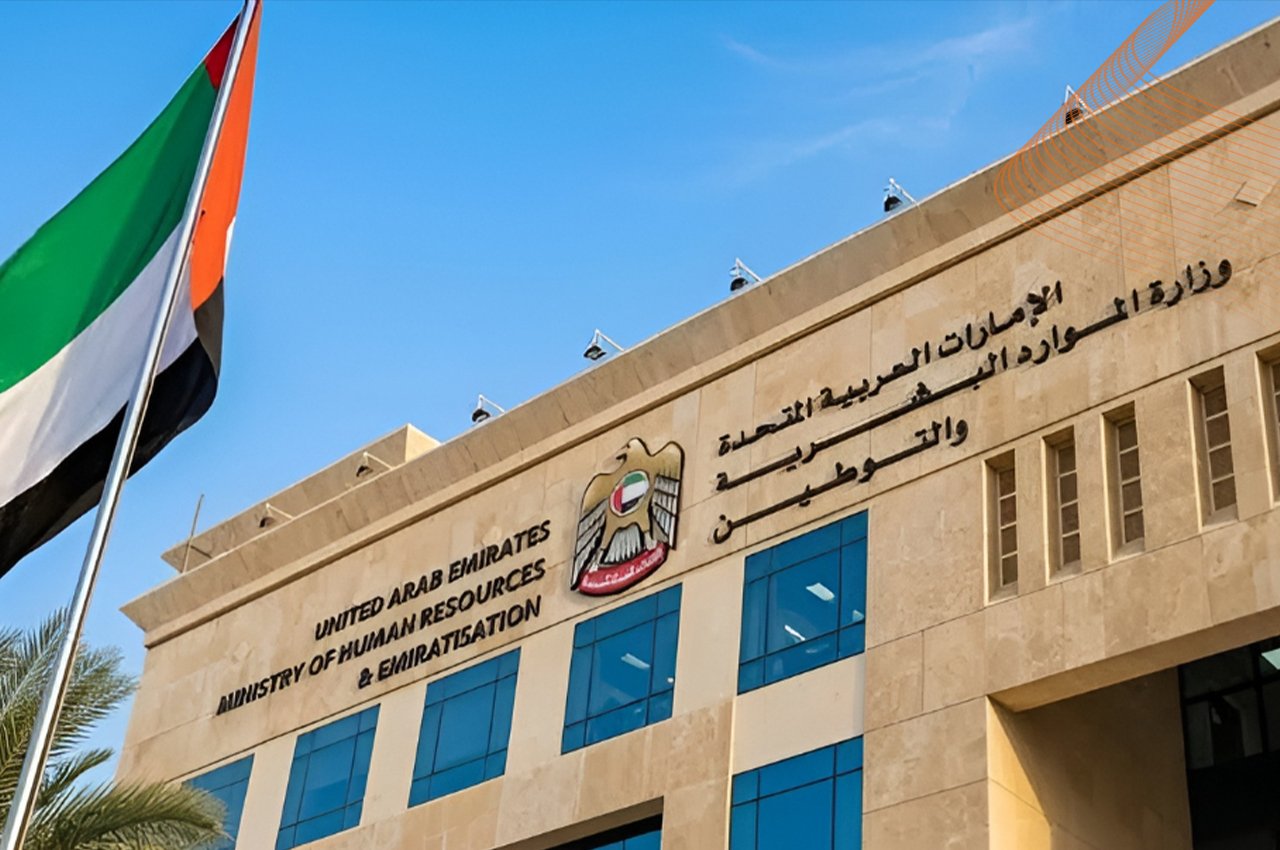
The impact of the Nafis initiative has already been felt by those who are UAE nationals and are looking to take on a new path in their careers, outside the government sector. The program was part of an ambitious initiative called the “Projects of the 50”, which aimed to reduce the gap between public and private sectors. But the Emirati Talent Competitiveness Council (ETCC) and the Ministry of Human Resources and Emiratisation (MOHRE) have introduced some big enhancements to the framework, which are impacting the finances.
It is important to know how the new UAE Nafis program 2026 affects your net income. These changes impact your paychecks in a variety of ways, here’s a breakdown:
So, what is the UAE Nafis Program and how does it operate?
It’s helpful to review the basics of the Nafis program if you want to understand the updates. Nafis serves as an incentive scheme backed by the government which pays direct subsidy, training allowances and child support to Emiratis who work in private firms, banks and financial institutions.
For most professionals, the main component is the Nafis salary top up UAE 2026. This monthly allowance is provided directly from the government to your bank account and is in addition to your employer’s base salary. The initiative provides financial support through the government, along with compensation from the private sector, which means that opting for a career in the private sector is still financially rewarding.
Effective 2026, several changes will be introduced to the Nafis Program Rules
The latest instructions include a new matrix, based on qualifications, as well as additional rules on base wages. The changes are designed to promote further education, incentivise skill building, and provide a level playing field for wages in all industries participating in the scheme.
New Tiered Monthly Salary Top-ups
Previously, the range of salary supplements was up to AED 7,000 per month, irrespective of the job. The new regulations set the maximum monthly salary supplement UAE based on the highest educational qualification:
- Bachelor Degree Holders: up to AED 6000 a month.
- Additional conditions apply for diploma holders: They can receive up to AED 5,000 per month.
- High School Graduates: AED 4,000 per month.
- Below High School Education: AED 3,000 – 4,000 per month, depending on marital and family status.
The Base Salary Threshold for mandatory AED 6,000.
The introduction of a fixed minimum base pay threshold is one of the most significant additions in the MOHRE Nafis updates 2026. Employers in the private sector that fall under the standard labor market policies should pay Emirati nationals an employment package that includes a minimum gross salary of AED 6,000 per month from their payroll.
Government salary support is automatically suspended if an employer attempts to pay less than this base threshold until the employer is paying 100% payroll. This change means the government subsidy is added to a fair corporate wage, and doesn’t replace it.
Under the new rules, how will your take-home salary be calculated?
To work out what you are expecting to earn, your base salary from your employer plus the adjusted government allowances. The amount of your pay depends on your respective roles as well as monthly income however, the use of a salary calculator for a Nafis program UAE will make the estimation of your pay very simple.
Example Salary Scenarios
| Qualification | Company Base Pay | Monthly Top-Up | Total Monthly Income |
| Bachelor’s Degree | AED 8,000 | AED 6,000 | AED 14,000 |
| Diploma Holder | AED 7,000 | AED 5,000 | AED 12,000 |
| High School Graduate | AED 6,000 | AED 4,000 | AED 10,000 |
- However, for those with higher monthly base wages (usually more than AED 20,000), salary support slowly decreases under a standardised sliding scale, which prioritises salary support for entry and mid-level professionals.
New benefit: Children’s Allowances and Extended Coverages.
The new rules also include additional benefits for families, such as increased family welfare payments, offering improved protections for working families.
Unlimited Child Allowance Coverage
The previous rules had a maximum of fixed children who could be covered by family assistance. This cap has been removed by the new regulation. For the first time, those who are eligible to receive the Nafis subsidy will also be able to receive AED 600 per month per child, subject to the overall income ceiling, while they are working and receiving the subsidy, even in the case of more than one child.
Extended Inclusion Criteria
They’ve also been expanded to incorporate groups of the workforce that were historically under-served by top-up schemes:
- Children of Emirati Mothers: Now, eligible persons employed in private enterprise can access salary support for their children, as Emirati Mothers.
- Working Spouses of Emirati Nationals: Educational qualifications and family conditions are taken into account for the monthly allowance for qualifying wives of Emirati citizens working in corporate sectors.
For current beneficiaries, the transitional timeline is the timeline that applies to these beneficiaries.
Those who already receive allowances in the old system will find that the new benefits for UAE nationals have implemented a transition period.
Those residents receiving benefits above the new benefit amounts will not receive a one-time reduction; instead, their benefit amount will be adjusted over a multi-year transition period. The new tiers will be implemented from the moment of approval for the registration with Nafis UAE 2026.
Answering common questions.
Q1. What is the main goal/aim of the UAE Nafis program updates 2026?
A1. The changes are designed to make financial incentives more precise and effective, to promote post-secondary education, to impose equal base wages on all private employers and to increase social support for under-represented groups and larger families.
Q2. What is Nafis’s monthly payment in the new system?
A2. The monthly salary supplement will be granted based on academic qualifications; it can go up to AED 6,000 per month for university graduates and AED 3,000 per month for non-degree holders. There are also family caps (excluding additional child allowances) of AED 600 per child.
Q3. If my employer doesn’t pay AED 6,000, will my salary be discontinued?
A3. Yes. According to MOHRE regulations, the minimum gross base salary for private sector companies that are affected by the minimum wage requirements is AED 6,000. Where an employer does not meet the baseline, the payments of any government top-up are suspended in the meantime until they have improved payroll compliance.
Q4. Should I register on the portal again to receive the new amounts of the allowances?
A4. Active users don’t need to re-register in the system as the changes will be made automatically via the central portal, coordinated with the MOHRE payroll checks. Up to date education certificates on the portal however will provide you with the correct qualification level.
Stay Informed with Dubai Key Insights
Understanding and playing by the rules of the labor market, company pay systems and geographical labor laws requires clarity and timely information. From career and development in the business sector to getting the latest updates on the local economy, Dubai Key Insights is your go-to source for local analysis.
Wanna steer your career trajectory or know the influence of existing business regulation on your business? Check our latest business and career guides and stay one step ahead of upcoming regulatory changes in the UAE.