





Unraveling the Geopolitical Storm
As the Middle East’s elaborate geopolitics continually shook, explosive investigative reporting emerged, adding to the region’s diplomatic controversies. The allegations at the centre of this storm are sensitive – related to intelligence sharing and high-level contacts between Israeli leadership and Gulf states before the outbreak of the conflict. Together with the analysts, policymakers and citizens, who are trying to dissect these changing narratives, it is becoming increasingly important to understand the timelines and content of these developments. The impact of these revelations extends far beyond conventional political disagreements, impacting the very structure of international relations, security measures, and diplomatic normalisation processes adopted during the past few years.
The Genesis of the Controversial Claims
It was an exhaustive investigation report written by the well known Israeli newspaper Haaretz that brought the controversy into the public. But months before the horrific Sunday, October 7, attacks, high-level diplomatic channels were receiving warnings about potential escalation in the region, according to the publication which cited sources knowledgeable about the situation. Indeed, the report said that UAE President Sheikh Mohammed bin Zayed Al Nahyan spoke directly with Israeli Prime Minister Benjamin Netanyahu on the phone, warning him that there was a “big operation” planned by militant Gaza factions, the report said. The warning seemed to express grave concerns about the possibility of regional instability, loss of life and long-term viability of key bilateral pacts. For political analysts, the news raised immediate questions about the failure to detect the attack, accountability, and the transmission of the information between the allied countries in the region.
Official Denials and the Defense Position
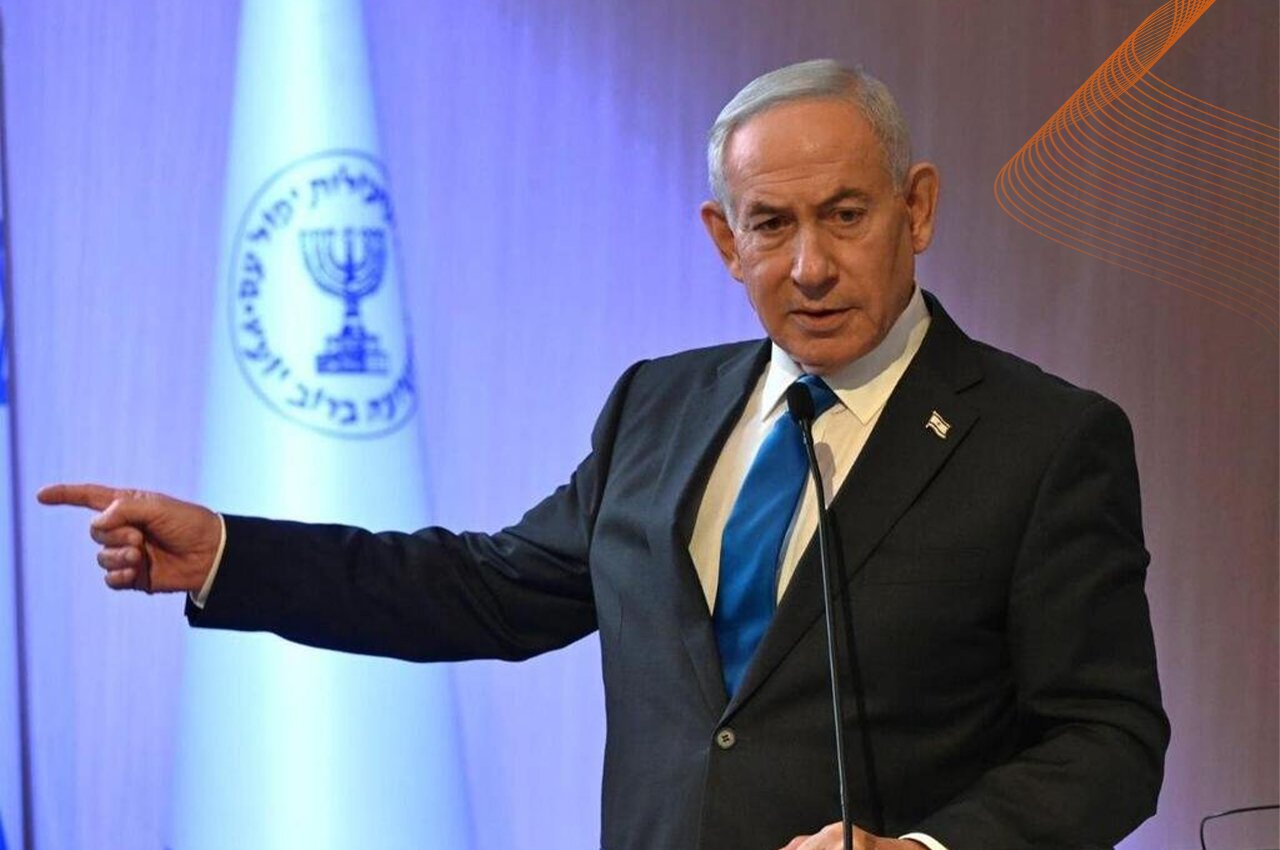
The highest authorities in the Israeli government responded rapidly and decisively. Prime Minister Benjamin Netanyahu angrily denied the charges, calling the report a “total fabrication” that is being used to cause “damage” in a crucial domestic political battle. When questioned in the public arena and in legal notifications, the Prime Minister’s representatives declared that there was no evidence whatsoever of such a conversation in call logs, security entry logs or official documents from that time. The Prime Minister’s Office said that there was no proper protocol followed in such official communication, which involved using encrypted devices and verified logs, meticulously and accurately archived—none of which were true, according to the media. Moreover, Netanyahu pledged to launch a legal action against the authors for libel, saying that spreading such tales is “a deliberate attempt to mislead the public,” and “to divert attention from other political issues.
The Regional Perspective and Diplomatic Discretion
In the meantime, official organizations in the United Arab Emirates took a conservative approach and a very disciplined stance on the media storm. Through diplomacy, Abu Dhabi has been crystal clear that it does not want to get embroiled in the politics of other countries. UAE foreign ministry representatives said there was no need to comment on speculative news stories or leaked information on private talks between heads of state. Meanwhile regional analysts said keeping this calculated distance would help the Gulf countries ensure their long-term interests and deal with the delicate multi-lateral dynamics. The official line continued to emphasize that relations between Jerusalem and Abu Dhabi are based on formal, transparent mechanisms and not on murky, unchecked ones.
Implications for the Abraham Accords and Broader Regional Ties
As these headlines stir up the turbulence, the regional cooperation framework as a whole is being put to a stringent test of its resilience. The normalization deals that were concluded under the banner of the Abraham Accords fundamentally changed the diplomatic landscape of the Middle East, with the creation of economic cooperation, technological exchanges and strategic discussions. Despite the frequent breaches of goodwill and the domestic political tensions that beset the two countries, both Israel and Gulf policy makers have long had an interest in the economic and regional advantages of good relations. Pragmatic cooperation in trade, energy and defence technology is continuing along its own path, not picking up the pace of the changing political climate, but smoothing out the kinks of occasional political storms despite the leaders’ struggle to cope with the haunting of past security failures.
Frequently Asked Questions
Q1. What are the core allegations involving Benjamin Netanyahu and the UAE?
A1. Media reports have fueled intense domestic debate about Emirati leadership giving Israeli Prime Minister a direct warning of imminent ‘big threats’ before the 2023 escalations.
Q2. How has the Israeli government responded to these claims?
A2. The Prime Minister’s office has vehemently refuted the reports, stating that they are a complete fabrication, and has published a series of checks on the Prime Minister’s schedule and calls along with a series of legal proceedings.
Q3. What is the official stance of the UAE regarding the leaked reports?
A3. The UAE has a policy to keep its distance from the media speculation and to remain on the sidelines of private conversations among leaders, making it clear, for example, that it will not engage in such discussions at all.
Q4. How do these ongoing developments impact Israel-UAE bilateral relations?
A4. The claims generate short-term political tensions and news, but the basis of mutual strategic interests remains intact for institutional relations and economic ties formed as part of regional normalization processes.
Conclusion
Intelligence, political survival and international diplomacy have always been one of the most volatile areas in modern governance. With the lawsuits rolling on and the elections still underway in the area, it is more important than ever to distinguish between confirmed diplomatic facts and sensationalist media claims. The key to the stability of these alliances in the Middle East will be communication and a mutual desire for security in the region.
Enjoy in-depth analysis and up-to-the-minute coverage of international relations without missing out on complex geopolitical changes by subscribing to Dubai Key Insights.