





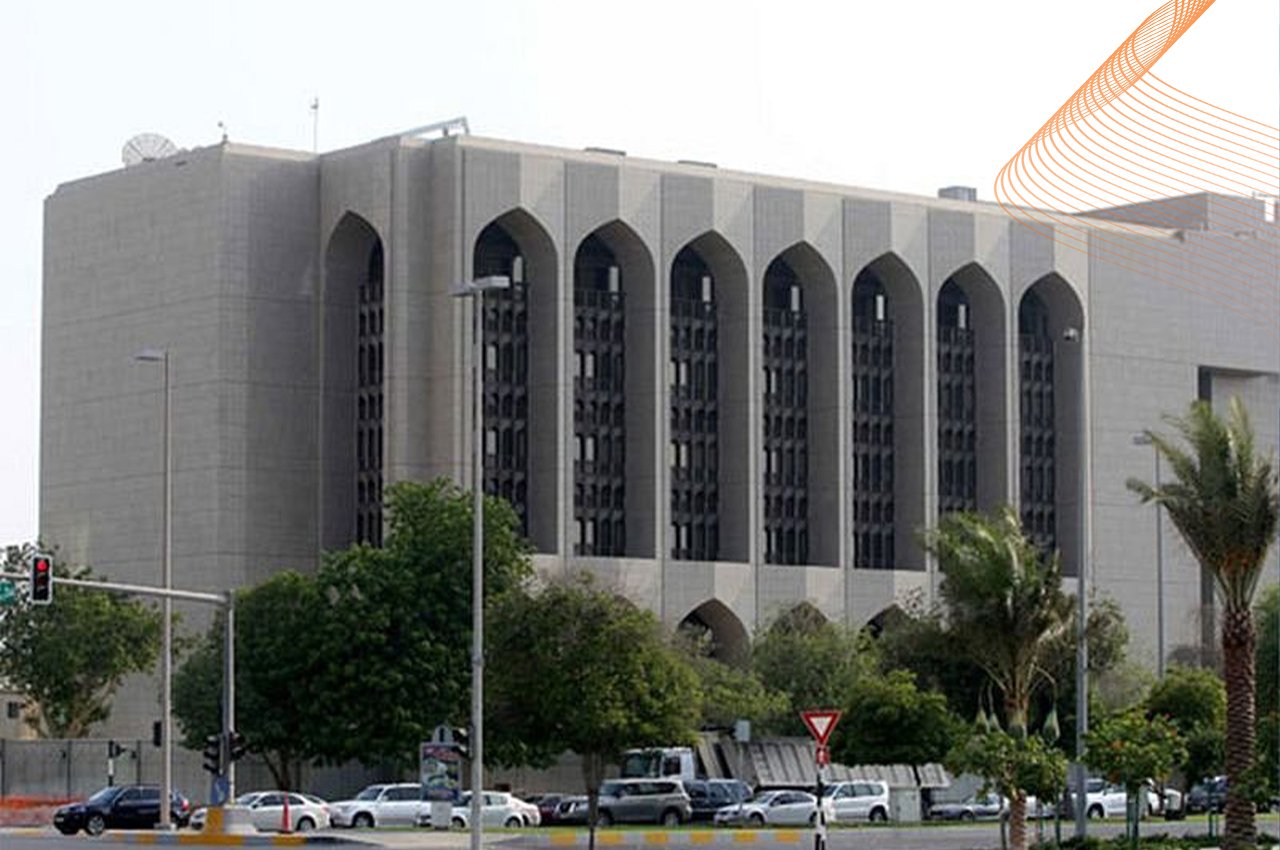
The financial world in the Emirates can sometimes seem like catching smoke. From growth, cross border transactions, to most importantly, managing your hard earned savings, it is critical to keep up with policy changes. At its core, the Central Bank of the UAE (CBUAE) is the ultimate financial compass for residents and international investors alike, embedded in this dynamic ecosystem.
In this current economic climate, it is very important to know how monetary policy, digital banking regulations, and everyday exchange rates correlate in order to save some money and some headaches. Let’s explore all you need to know about the latest regulatory changes, currency fluctuations and how that will impact your wallet.
Understanding the CBUAE Monetary Policy and Interest Rates
The Central Bank of the UAE is responsible for ensuring economic stability and combating inflation. If you’ve ever wondered how they do this, it’s all about their monetary policy. Since the UAE dirham is directly tied to the US dollar, domestic monetary policies closely mimic policies across the Atlantic.
The Central Bank of the UAE lowered its Base Rate for the Overnight Deposit Facility to 3.90% after a hike by the US Federal Reserve. This is a direct policy anchor which determines short-term borrowing costs and provides a strong floor for money market rates across the country.
- Effect on mortgages: Variable rate mortgages based on the Emirates Interbank Offered Rate (EIBOR) will change in line with the changes in the benchmark rates.
- Corporate and Personal Loans: The local lenders rely on their own cost of funds when setting the rates of credit facilities, so taking a proactive approach to financial planning is important for new borrowers.
- Inflation Control: The CBUAE has managed to control domestic inflationary pressures through fine-tuning of the liquidity management facilities and repos, without compromising market liquidity.
Live UAE Currency Exchange Rates and Global Markets
For expats, entrepreneurs and global traders, it’s a daily routine. The national currency is stable, and the exchange rate between the two currencies is fixed at 3.6725 AED per USD, which is a key factor for the regional economy.
Foreign exchange rates continue to swing the international corridors. This is the figure of daily trading in major currency pairs:
- UAE Dirham to US Dollar (USD): Steady at 3.6725.
- UAE Dirham to Indian Rupee (INR): Hovering near 0.0381.
- UAE Dirham to Pakistani Rupee (PKR): Trading around 0.0133 (roughly 75.42 PKR per 1 AED).
- GB Pound (GBP) and Euro (EUR): Trading near 4.87 and 4.13 respectively, depending on daily European market shifts.
Key Regulatory Updates and Consumer Protection
The contemporary financial system requires stringent monitoring. The UAE Central Bank keeps rolling out comprehensive and encouraging regulatory enhancements, such as new anti-money laundering (AML) regulations, digital banking frameworks, and open banking measures.
These improvements mean better security and transparency for consumers on a day-to-day basis. They require the clear disclosure of fees, more transparent loan interest caps and easier and simplified dispute resolution pathways, under the CBUAE consumer protection rules. In the event that you have a banking complaint that you cannot resolve with your bank, then you have a formal right to escalate and file a formal complaint directly through the CBUAE consumer portal. In addition, strict compliance rules guarantee absolute integrity of the operation of licensed financial institutions, insurance companies and exchange houses.
Frequently Asked Questions (FAQs)
Q1. What is the current exchange rate of AED to USD?
A1. The UAE dirham is officially fixed at the price of 3.6725 AED/USD.
Q2. How does the CBUAE handle consumer complaints?
A2. If you are having a problem with a financial institution, you can make a formal complaint through the CBUAE consumer protection channels, after notifying your bank about the problem.
Q3. Are interest rates expected to stay elevated?
A3. Local monetary policy follows the US Federal Reserve’s benchmark rates because of the currency peg, so local rates will directly react to the wider macroeconomic and inflation figures.
Take Control of Your Financial Strategy Today
The best defense against market volatility is to stay informed. From cross-border transfers to managing corporate accounts, being attuned to regulatory updates means you never miss a beat in managing your finances.
For the latest market reports on Dubai Key Insights, or to be updated by email on market changes, subscribe to our newsletter today.