





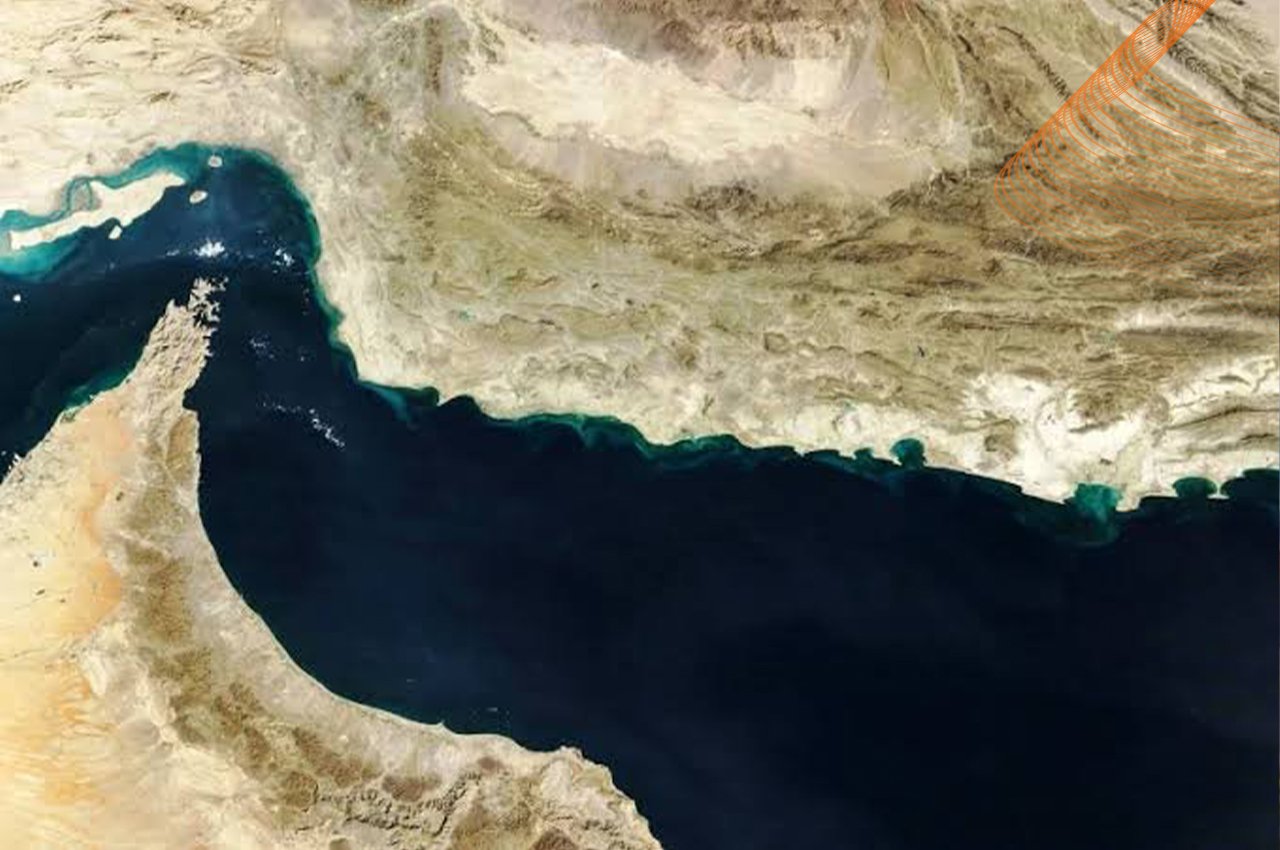
A small, unassuming waterway between the Persian Gulf and the Gulf of Oman holds as much power behind it as any other geographical and influential spot in the modern world of commerce and world stability. Understanding the workings of the global markets requires a discussion of what is the Strait of Hormuz and how it influences the cost of fuel at local petrol stations and the macro-economy of the industrial powers of Asia, Europe and the Americas. Located in the heart of the Middle East’s geopolitical tensions, the maritime route serves as the ultimate “jugular vein” of the global energy supply chain. The region is complex, and to understand it one must pay particular attention to its unique physical geography, diplomatic tensions and the high dependence it has had on regional economies such as the United Arab Emirates. With constant developments, military tensions and shipping disputes filling the world’s news, the importance of understanding why the Strait of Hormuz is so crucial for the everyday observer, as well as investors and policymakers. Let’s take a closer look at how a small amount of sea water can keep the global economy in a delicate high-stakes balance.
Geographical Layout: Where Is It and How Wide Is the Strait of Hormuz?
A detailed Strait of Hormuz location map shows how the Strait that connects the warm Persian Gulf with the vast mass of the Arabian Sea and the Indian Ocean is naturally a funnel that represents the significant strategic importance of this maritime route. The channel is sandwiched between Iran’s north coast and the Musandam exclave of the Sultanate of Oman’s south coast. One such query is how wide is Strait of Hormuz at its narrowest point. The strait is about twenty-one miles (34 km) wide, from shore to shore at its narrowest point. The space available to safe commercial navigation is, however, quite small. International traffic separation schemes separate the water flow into separate inbound and outbound lanes about 2 miles wide with a critical buffer zone between the lanes. Super-huge ships that transport massive tankers, massive containers and specialized LNG ships must pass through a narrow, heavily protected marine channel. Who controls the Strait of Hormuz is determined by the territorial waters of Oman and Iran as governed by the United Nations Convention on the Law of the Sea, but increasingly, the United Nations’ classical law is being challenged by ongoing strategic manoeuvrings of the world’s leading powers and regional military forces.
The Economic Lifeline: Oil, Gas, and Global Supply Chains
This is the way that most of the hydrocarbons and essential resources are transported today, and it is what makes the planet secure or insecure in terms of energy. Examine the volume of oil transiting through Strait of Hormuz reveals that it is estimated that about 25% of the world’s seaborne oil trade and a significant proportion of LNG also passes through the strait. Historically, the daily transit of millions of barrels of crude oil directly to major refining centres in China, India, Japan and South Korea had helped secure some of the busiest oil transportation lanes controlled by the OPEC bloc and had supported oil prices such as UAE’s Murban crude. In addition to petroleum and gas, the corridor is a vital route for agricultural fertilisers and key raw materials for industry, which are also coming from the Persian Gulf producers. The world economy is highly dependent on this marine route since there is limited overall capacity for alternatives to the route such as land-based bypass pipelines that run across Saudi Arabia and the UAE. A friction, military stand-off or a navigation obstacle takes an immediate toll on the world’s oil supply chain, spreading shock waves to the international stock exchanges and pushing the commodities trading benchmarks up in every corner of the world.
Strategic Stakes: Does UAE Depend on the Strait of Hormuz?
This vital water route is not just a political issue on the international relations agenda of textbooks, but a cornerstone of national economic growth and development for the UAE. The question of whether does UAE rely on Strait of Hormuz is complicated but of great importance. A large proportion of the country’s overall commercial shipping and non-oil imports, and even much of its overall maritime logistics, still depend on unhindered access through the water of the Gulf. At the same time, a considerable amount of the country’s oil pipeline infrastructure is also reliant on the free flow of oil through the Gulf, including the Habshan-Fujairah oil pipeline, which bypasses the strait all the way to Fujairah’s oil terminals. Ensuring the uninterrupted and secure transit of the UAE oil exports shipping lane is a key priority to help ensure the achievement of national economic diversification objectives within the context of visionary programmes such as the UAE Centennial. When sea traffic is disrupted, local logistics companies and foreign enterprises take on the burden of higher shipping insurance costs, slower cargo loading and unloading, and increased expenses for operations. Thus, the Emirati leadership’s focus on regional security, peaceful foreign relations and free shipping lanes has become a number one priority in the face of changing dynamics in global energy security.
Geopolitics, Blockades, and the Threat of Disruption
Its distinctive location makes it an inescapable flash point for diplomatic disagreements and defense planning. The idea of an Iran threat Strait of Hormuz scenario, as well as other possible restrictions on the movement of ships, or a broad Strait of Hormuz blockade, are constant features in international security discussions. Iran’s possession of the entire northern coastline and its strategic military position, through its special naval units, has been a foreign policy and naval concern for decades with regard to whether Iran could block the Strait of Hormuz. The impact of a blockade on Strait of Hormuz is imminent and dire when analysts try to imagine what would arise if the strait was closed. Total oil closures cause immediate oil price rises, take oil prices through key psychological levels, speed up the world’s inflation rates and affect manufacturing globally. Also, shipping firms are being hit by soaring war-risk premiums, as ships have to change course or reschedule. News from the Strait of Hormuz often dominates headlines due to recent geopolitical events, regional tensions, and significant diplomatic interactions with Iran, the U.S., and international bodies. These are continuous events which underscore the fragility of the international supply chains in situations where geopolitical tensions converge with geopolitically critical choke points.
Frequently Asked Questions
Q1. What is the primary function of the Strait of Hormuz in global trade?
A1. It is the only maritime route that links the Persian Gulf with the open ocean of the Indian Ocean that allows the large producers of the Middle East to ship petroleum, natural gas and industrial goods to International markets.
Q2. How much of the world’s petroleum normally flows through this channel?
A2. The strait is used every day by about 25% of the world’s total seaborne oil transport and a significant share of LNG trade.
Q3. Can the passage be completely closed off by a single nation?
A3. There are also instances where acts of warfare, naval engagement or strategic choke can severely threaten and limit commercial sailing, but international law and collective protection of freedom of navigation by the leading powers of the world remain paramount.
Q4. Are there viable alternative routes available for major oil exporters?
A4. Yes, some regional producers use overland bypass pipelines but they have limited capacity and cannot be scaled up or substituted by the vast amount of capacity currently provided by maritime supertankers.
Secure Your Global Insights Today
Being perfectly informed and in possession of high-level analysis is essential when it comes to navigating the tides of Middle East geopolitics, international trade routes and complex energy markets. Dubai Key Insights filters out the barrage of news every day to bring to your screen in-depth, data-backed reporting, so you know exactly what’s driving today’s commerce. Avoid being caught off guard by sudden changes in the markets or in the world economy. Sign up for our e-paper publication today and get timely, exclusive reports, expert analysis and commentaries on global trade routes, straight to your mailbox.