





The world economy we rely on today is extremely sensitive and fragile when it comes to energy, and the recent events in the Middle East have made it front and center. Financial markets and energy analysts immediately knew the impact when news of the Saudi East-West Pipeline (EWP) Saudi Arabia emergency closure was announced. Speaking about the security of critical energy infrastructure, the issue has become a regional problem and has turned into a global issue in the current geopolitical context.
Dubai Key Insights readers who have been observing macro-economic developments and commodity markets will need to have a greater understanding of how this shutdown works to gain clarity. This detailed analysis examines the reasons for the recent closure of Saudi’s major oil pipeline, the shock that has swept through global markets, and the future of crude supplies.
Understanding the Lifeline: What is the East-West Pipeline?
The Petroline system is a complex piece of engineering that runs along the length of the Arabian peninsula, covering an area of around 1200km from the major oil fields in the East to the port of Yanbu in the West. This corridor normally transports millions of barrels per day, and it is the final safety valve of the geopolitics. This infrastructure can also help to ensure the safe movement of petroleum to the Red Sea when regional shipping routes are constrained, avoiding the potentially vulnerable maritime chokepoints.
But, this strength has come under heavy scrutiny in recent times due to security breaches. State oil companies quickly shut down their pumping operations in response to the attack on their pipelines in Saudi Arabia, and a race began on the trading floors worldwide. This corridor forms one of the major bypasses if the shipping disruption is more widespread in the Middle East, directly impacting the predictable flow of crude to international buyers if it is a prolonged halt.
Anatomy of the Crisis: What Happened to the Energy Infrastructure?
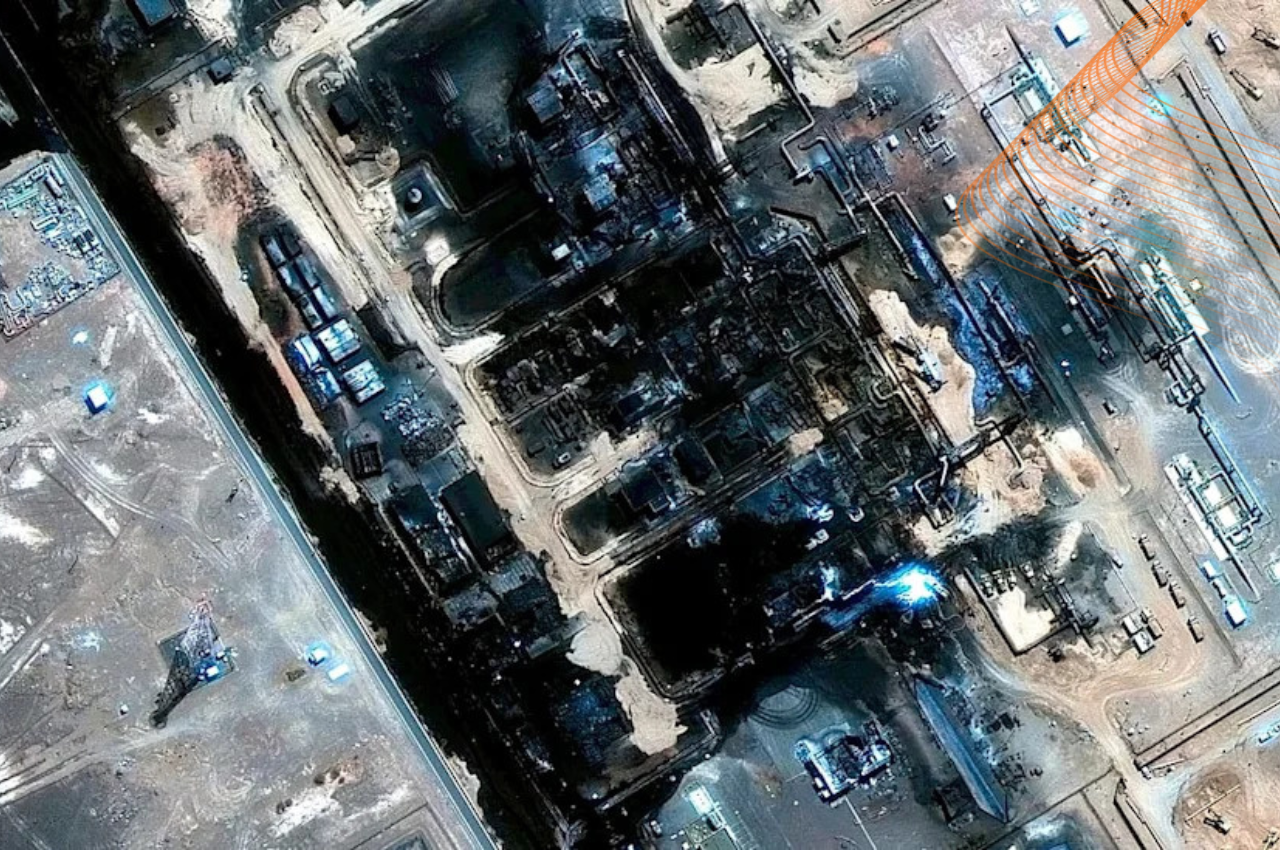
This is in response to a series of coordinated strikes against pumping stations in the Riyadh and Madinah areas. The first investigations and satellite images soon verified the structural damage and localized fires at operational nodes of particular significance.
- Precautionary Stoppage: Authorities initiated an immediate, controlled shutdown to secure the remaining network and evaluate structural integrity.
- Cross-Border Origin: Official sources said the air raids were launched outside the kingdom’s limits, sparking strong diplomatic reactions.
- Supply Chain Compression: The Red Sea export terminal at Yanbu is supplied from local storage buffers that are rapidly being depleted to support outgoing shipments, when the conduit is offline.
This incident exposes a reality of today’s energy networks: the most well-guarded underground and overland resources are vulnerable to advanced asymmetric threats. All of these incidents put producers and refiners on a multi-front test of pressure.
Immediate Repercussions on Global Markets and Prices
But energy traders responded quickly to the report, quickly driving benchmarks higher as fear in the market grew. Saudi Arabia’s oil price spike is a sign of fears of a total loss of this magnitude by the global oil industry cannot simply be made up by spare production capacity.
- Benchmark Spikes: Brent crude, key international benchmarks, had steep positive moves that broke through significant psychological levels.
- Refined Product Pressures: Downstream markets felt the pinch immediately, with diesel and gasoline futures climbing rapidly across major consumer economies.
- Logistical Bottlenecks: At the same time, the alternative sea lanes had high security risks, charter rates and shipping premiums for insurance rose sharply.
How fast local physical damage can become global retail oil price damage is shown by the immediate oil price effect. But analysts point out that as long as there’s no quick return to operations, industrial users in Asia and Europe will have to make some serious adjustment to their supply.
Broader Economic and Geopolitical Fallout
In addition to the price tickers, the shutoff highlights a broader crisis in energy supplies for the Middle East, which could jeopardize economic stability after the pandemic. The repercussions are being watched closely by the policymakers, particularly in the context of the delicate diplomacy of the major producers in the region in balancing their regional alliances and production quotas.
Additionally, the disruption comes against the backdrop of existing debates about investments in energy transition. As countries diversify their energy supply towards renewables, the recent disruptions in the fossil fuel value chain also demonstrate the strong importance of oil and gas in the short term. Each of these movements is an exhilarating reminder of the interdependence of today’s global supply chains.
Frequently Asked Questions (FAQs)
Q1. Why is the East-West pipeline so critical to international trade?
A1. It would enable the transport of crude oil from the eastern fields directly to the Red Sea, thus avoiding the marine dangers of conventional shipping routes.
Q2. How long are repairs expected to take following the recent incident?
A2. Technical teams operate 24/7 to evaluate and mitigate the problem with the pumping stations, but the length of pumping station outages will rely on the degree of structural damage and the continued security evaluation of the region.
Q3. What role do international reserves play during a supply halt?
A3. Producers have access to regional storage terminals and strategic stocks, which help them to provide minimum commitments, but supplies are limited and can be quickly exhausted if the primary transport lines are closed.
Stay Ahead of Global Energy Shifts
In today’s dynamic commodity landscape, real-time, accurate intelligence and analytical acumen are essential. To get regular updates, market commentaries and breaking analysis of geopolitical events that are impacting global trade, subscribe to Dubai Key Insights today.