





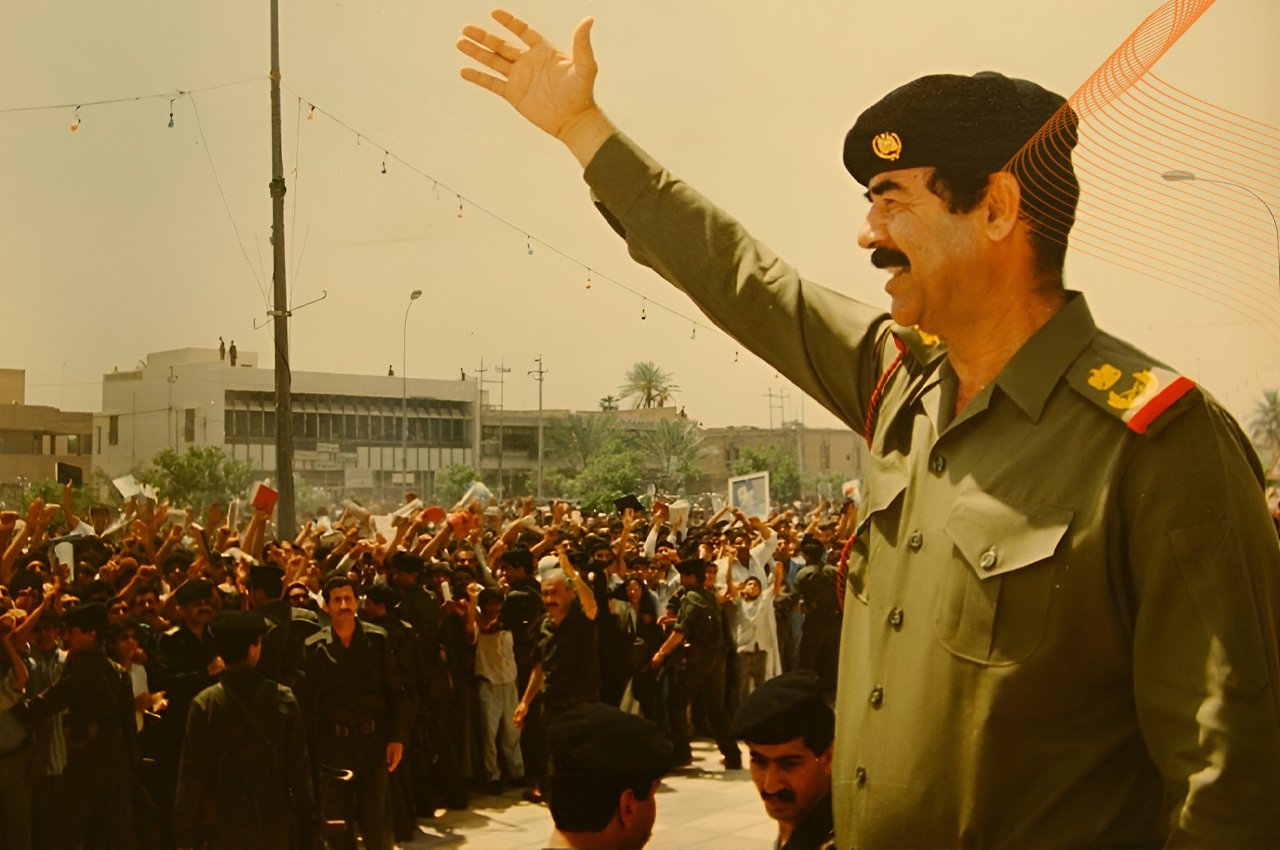
The 2003 invasion of Iraq is often remembered through the eyes of the rolling tanks, the coalition forces and the fall of Baghdad. However, behind the history of political manoeuvring in the west, through ultimatums and UN discussion, there is a very interesting, but largely forgotten, period of Gulf diplomacy. In the “back rooms” of the region, regional leaders scurried about desperately to prevent disaster. Of those, the United Arab Emirates had a very bold, proactive stance.
Before the first aerial bombs dropped and the night sky over Mesopotamia lit up, the silence of communication could be heard all over the Arabian Peninsula. For Middle Eastern leaders, the one question that hung in the balance was straightforward, if troubling: How to prevent this collision course? The unfolding of the layers of regional archives and diplomatic memoirs reveals a compelling picture. This is the tale of how, with visionary statesmanship at the helm, the UAE foreign policy Iraq strategy tried to intervene at the last minute, and succeeded in rewriting modern history.
Setting the Stage: The Gathering Storm of 2003
By the time winter gave way to spring early in 2003, it was obvious that the writing was on the wall. International inspections were languishing, troops were gathering in the desert in Washington and the sound of war was growing louder. As the world’s powers accused one another in the UN Security Council, the smaller regional powers were stuck between a rock and a hard place. The neighboring countries knew that they will face the brunt of any fallout effects after the conflict, refugee crises and region instability.
The heat of Arab leaders’ efforts on Iraq war diplomacy increased in this charged atmosphere. Traditional diplomatic methods were too slow and too inflexible, and ultimately, they were not effective enough to withstand the inexorable momentum of the Bush administration. The Arab League did not manage to show a communal face, with its members exhibiting a mix of both unity and fear. It was in this environment of uncertainty that some leading capitals started looking for radical and out-of-the-box solutions to conflict without weapons.
The Audacious Proposal: Offering Saddam Exile
One of the most explosive and controversial revelations of this period relates to what was being called “high-stakes” backchannel diplomacy, which sought to oust Iraq’s longtime leader without firing a single bullet. Extraordinary diplomatic manoeuvres were made in the last weeks of the invasion behind closed doors. The basic concept was simple, yet so enormous in scope that it was monumental in execution: to find a way to exit the conflict peacefully and without the horrors of urban warfare that would afflict millions of ordinary Iraqis.
Has the UAE granted the Iraqi leader, Saddam, asylum? Statecraft can be subterranean, but history reveals and diplomatic reports suggest that there were efforts to be taken up to the very last, orchestrated by the Gulf countries. The plan involved persuading the Baghdad leadership to voluntarily accept losing power to a transitional government and to allow the exiles to go to a safe place. It was a bold shot – it was a tactic that would cut to the chase of the invasion and eliminate its central justification.
- The Core Objective: Do not engage in indiscriminate destruction of civilian infrastructure and humanitarian collapse.
- The Diplomatic Lever: Provide secure, safe haven in the area outside the region to avoid bloodshed.
- The Ultimate Roadblock: The deep-seated paranoia, distrust and strong aversion of the Iraqi leadership group to any idea of retreat.
Sheikh Zayed and the Vision of Peaceful Resolution
The rationale behind the Emirates’ bold strategy in the run-up to Iraq in 2003 requires a probing through the basic tenets of the country’s foreign policy. The UAE has always believed in dialogue, mediation and regional peace and harmony over confrontation, under the wise leadership of the late Sheikh Zayed bin Sultan Al Nahyan. Sheikh Zayed did not see Iraq simply as a neighbor who produced oil, but as a crucial element of the Arab and Islamic world that the people of Iraq merited to be safeguarded.
UAE Sheikh Zayed Iraq diplomacy was marked by the sense of urgency and empathy to avoid the fratricidal Arab competition. Emirati leadership had a first-hand experience of war devastation with the Iran-Iraq War and the Gulf War in 1991, and thus knew how expensive it was for the ordinary people to pay the price for political misjudgments. As the debate in boardrooms and palaces turned to how the 2003 invasion of Iraq could have been prevented, the emissaries of Sheikh Zayed pressed for an Arab-led solution that was sensitive to the region and met hard facts in the international community.
Behind the Scenes: The Untold Story of Regional Diplomacy
There is a tendency to stereotype the Middle East’s leaders over Iraq invasion movements as being helpless. But a close examination of the secret Iraq War negotiations suggests a frenzy of opposition from moderate Arab voices. In an effort to convey the seriousness of the impending invasion to Baghdad, governments in the Gulf began going to great lengths to shuttle between Iraq and the Western nations.
Behind the scenes in the Arab world, the Iraq War was a game of double agents and survival strategies. This is the UAE’s political history of the period, always and everywhere a mixture of pragmatic neutrality and humanitarian foresight. Secret negotiations for a new Iraq War were fraught with danger, with months of delicate negotiations being potentially set back by a single leak. However, the safety of the broader region was a priority for Abu Dhabi leaders, who tried to strike a balance by appeasing foreign demands for compliance while avoiding a potentially catastrophic foreign military presence.
Why the Last-Ditch Efforts Ultimately Failed
Even with the will to do so, the multi-track approach to mediation ran into an impenetrable barrier of mistrust. But the various scenarios of the Saddam Hussein negotiations for a secret deal and exile talks flatlined because of historical grievances, poor or ill-judged calculations and because time had to run out as set by the coalition forces. The fall of the Iraqi regime seemed too much of a loss of face for Iraqis; it was too late for the Bush administration to hold on to it.
The demise of these last diplomatic avenues led to the brutal truth of March 2003. Voluntary exile was not secured and the conflict took its most destructive route. Considering the span of Saddam Hussein’s last days, historians often wondered how different the map of the Middle East would be today if those secret initiatives in the Gulf had found an accommodating ear in Baghdad. The impact of that missed opportunity is felt in regional politics and lives to this day.
Frequently Asked Questions (FAQs)
Q1. What was the primary goal of UAE diplomacy regarding Iraq in early 2003?
A1. The UAE wanted to reach a peaceful settlement that would prevent possible Western military action, spare regular Iraqi civilians and help maintain stability in the region through discussion and possible exile.
Q2. Did the UAE actually offer sanctuary to the Iraqi leadership?
A2. Specific terms are still kept “diplomatically confidential,” but there are historical records and regional analyses that strongly suggest that intense backchannel negotiations were held to explore safe exit routes and asylum possibilities to avoid the invasion.
Q3. Why did the diplomatic initiatives fail to stop the conflict?
A3. The coalition’s efforts failed because of the inflexibility of the Iraqi regime, mutual distrust between the regional players and the U.S., and the fact that the coalition had laid out an irreversible timetable for Iraq’s military operations.
Q4. How does this historical episode influence modern Emirati foreign policy?
A4. It strengthens the UAE’s ongoing efforts in proactive mediation, conflict resolution and humanitarian diplomacy, as key elements of its international engagement approach.
Conclusion
The 2003 Iraq War looms as a reminder in the Middle East of the devastating impact of failed diplomacy. The brave efforts towards peace in the UAE, part of which remains untold, should be remembered as the guns roared and decades of turmoil began. It reminds us of a definition of a statesman, who would never give up the fight for peace until the very end, and shows that “dialogue” is our noblest act, even in the darkest days of international crisis.
Have a fascination with the obscure turning points in modern History of the Middle East? Join Dubai Key Insights for more unique analyses, in-depth features and regional insights. Get ahead of the story and catch the stories that are not covered in the mainstream headlines by subscribing to our newsletter!