





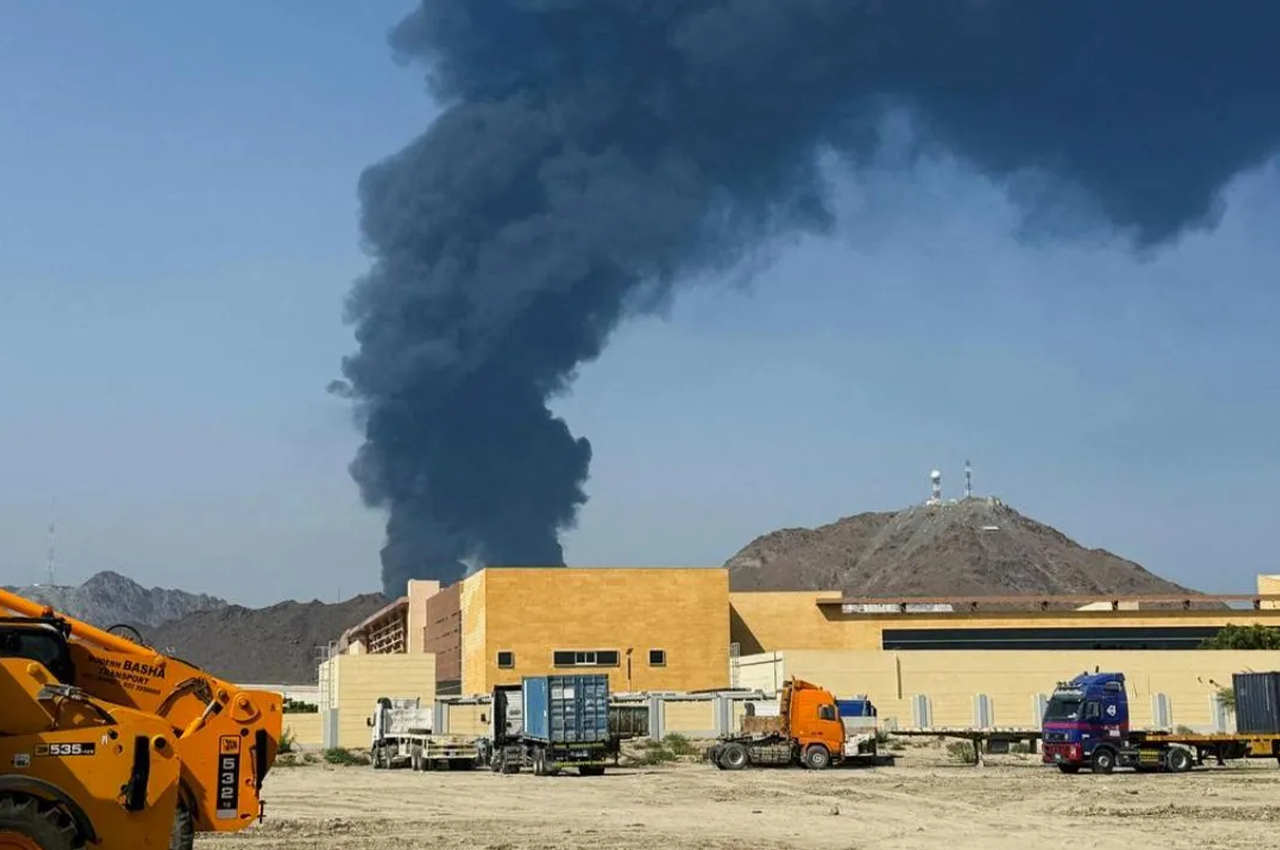
India calls for restraint and de-escalation following Fujairah vessel attacks, with 3 Indians injured, as regional tensions in the Gulf continue to impact maritime security and global energy routes. The response highlights growing international concern over stability in one of the world’s most critical shipping corridors.
Key Development
India has urged all parties to exercise restraint after attacks on maritime vessels near Fujairah, a key oil storage and shipping hub on the UAE’s eastern coast.
Officials confirmed that three Indian nationals were injured in the incident, reportedly crew members aboard one of the affected vessels. They are said to be receiving medical attention, with no life-threatening injuries reported so far.
Key developments include:
- Attacks targeted vessels operating near Fujairah’s strategic waters
- Three Indian crew members sustained injuries
- India issued a formal call for de-escalation and diplomatic engagement
- Maritime security concerns have intensified across the region
The incident comes amid heightened tensions in the Gulf, raising concerns over the safety of commercial shipping and energy transport routes.
Why It Matters
The call for restraint underscores the global implications of regional instability, particularly for countries with large expatriate populations and energy interests in the Gulf.
Key implications include:
- Safety of nationals abroad: Thousands of Indian seafarers work on international vessels
- Energy security: Disruptions near Fujairah can impact global oil supply chains
- Diplomatic pressure: Calls for calm reflect urgency to avoid escalation
- Shipping risks: Increased threats to maritime operations in the region
India is one of the largest consumers of Gulf energy exports, making stability in the region a critical economic priority.
Bigger Picture
The waters off Fujairah lie close to the Strait of Hormuz, a vital global chokepoint through which a significant share of the world’s oil passes. Any disruption in this area has immediate international consequences.
This development reflects broader trends:
- Rising geopolitical tensions affecting maritime routes
- Increased security risks for commercial vessels
- Greater involvement of international stakeholders in Gulf stability
- Growing reliance on diplomatic channels to manage conflicts
For the UAE, Fujairah plays a strategic role as an oil storage and export hub that bypasses the Strait of Hormuz, making it central to regional energy resilience.
The incident highlights how quickly localised attacks can escalate into global concerns, affecting trade, energy markets and international relations.
What Happens Next
Diplomatic efforts are expected to intensify as countries call for calm and stability in the region.
Key developments to watch:
- Updates on the condition of the injured crew members
- Possible international coordination to secure shipping routes
- Increased naval or security presence in key maritime zones
- Diplomatic engagement aimed at reducing tensions
Authorities are likely to continue monitoring the situation closely, with further updates expected as investigations progress.
FAQs
What happened near Fujairah?
Vessels were attacked in waters near Fujairah, raising concerns over maritime security.
How many Indians were injured?
Three Indian crew members were injured in the incident.
What has India said about the attacks?
India has called for restraint and de-escalation to prevent further escalation.
Why is Fujairah important?
It is a key oil storage and shipping hub, critical to global energy supply chains.
Will this affect global oil markets?
It could influence oil prices and shipping costs if tensions continue.