





Introduction
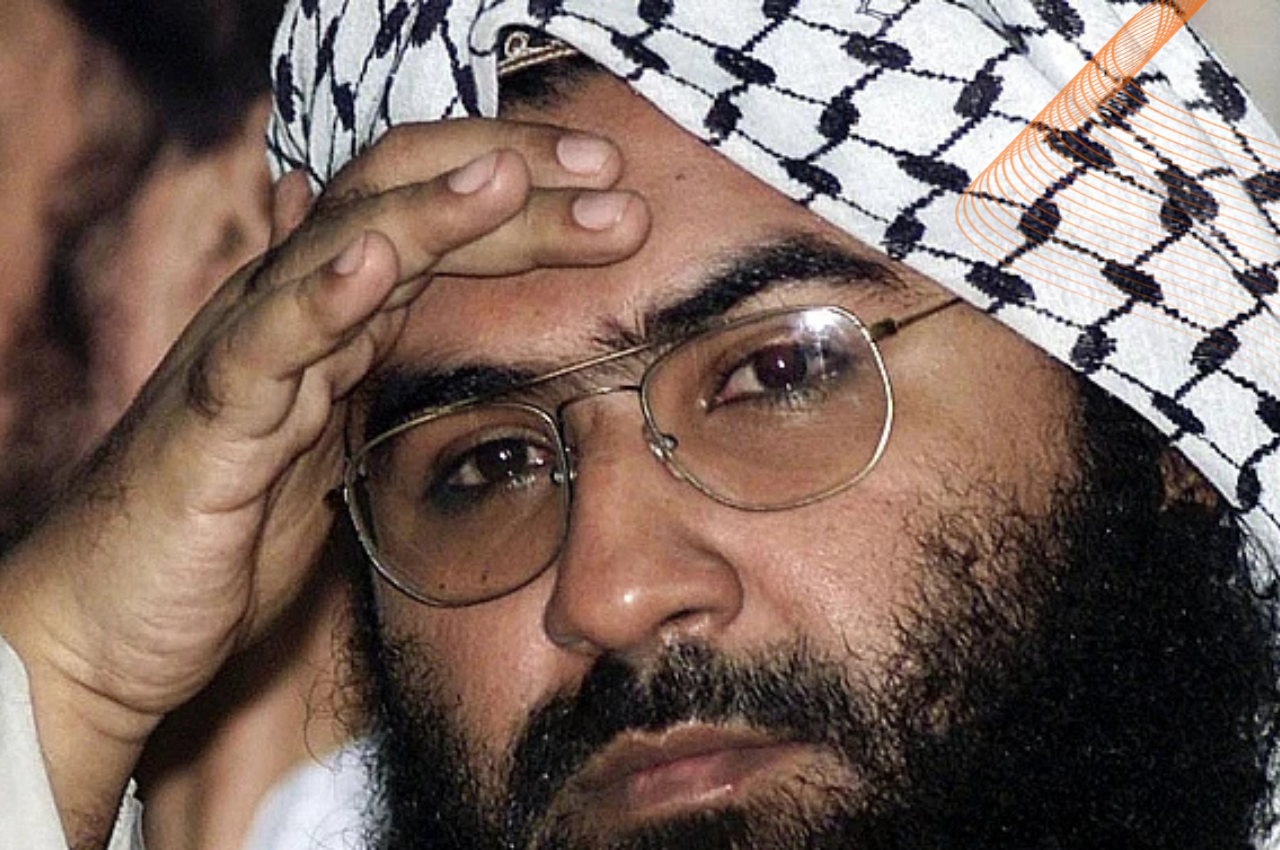
As questions about contemporary South Asian “flashpoints” around geopolitics come and go, there is no figure who is consistently in the news like Masood Azhar. His name has been used during any bilateral tensions between India and Pakistan, as he is the founder of the militant organization called Jaish-e-Mohammed. Decades of regional warfare, foreign policy and changing counter-terror strategies have to be taken into account to understand who he is.
The public’s fascination and the endless cycle of media reports stem from the sheer scale of the security incidents attributed to his network over the years. Observers, researchers, and political analysts constantly monitor news updates to gauge how shifting diplomatic ties might affect regional stability. As international bodies tighten financial and travel restrictions on designated individuals, keeping track of these developments remains vital for anyone trying to understand the complex political landscape of South Asia.
Origins and the Founding of Jaish-e-Mohammed
Masood Azhar was born in Bahawalpur, Pakistan, and began his activities in the 1980s and 1990s in radical religious groups in the region. He was detained in India for some time and then released during the hijacking incident of Indian Airlines flight IC-814 in 1999. Immediately back in Pakistan, he formed Jaish-e-Mohammed (JeM) in the year 2000. The group, under his leadership, soon emerged as one of the most significant armed groups in the area, carrying out a number of security incidents.
During its formative years, the organization capitalized on existing regional grievances and leveraged robust local funding networks to expand its operational footprint rapidly. By utilizing clever recruitment strategies and appealing to radicalized factions, Azhar managed to build a disciplined command structure that proved resilient against early law enforcement crackdowns. This foundational strength allowed the group to sustain its operations and launch coordinated attacks that eventually drew severe international condemnation and focused global intelligence scrutiny onto its leadership.
Major Security Incidents and International Designations
Intelligence agencies have attributed Masood Azhar to numerous big attacks in the years that displeased the diplomatic relations. These incidents include the Indian Parliament attack in 2001, the assault on the Pathankot air base in 2016 and the bombing in Pulwama, Jammu and Kashmir, in 2019.
Given these trans-border security challenges, pressure increased over time from international sources. He was officially named a global terrorist by the United Nations Security Council in May 2019, triggering asset freezes, travel bans and arms embargoes. This worldwide label represented a turning point in international bodies’ efforts to monitor and limit the financial and logistic activities of his network.
Latest News and Current Status
For years, the controversy surrounding Masood Azhar’s health has been buzzing on social media platforms, with speculations ranging from his death to his recovery. He’s, however, officially confirmed to be still alive, living under heavy local watch as he still is a hotspot of international compliance demands.
Pakistan’s Federal Investigation Agency (FIA) recently revised the Red Book, keeping Masood Azhar on the list of most-wanted terrorists, and adding Rs. 1 million to the reward for information on his arrest. Islamabad’s decision comes ahead of international financial monitoring reviews which call for international checks on state’s action against listed militant leaders. Meanwhile, intelligence agencies in New Delhi and other capitals are working around the clock to prepare for his exact location and what operational capabilities are left in the Jaish-e-Mohammed network.
Frequently Asked Questions
Q1. Who is Masood Azhar?
A1. He is the founder of one of the UN-designated terrorist groups, Jaish-e-Mohammed, and a Pakistani militant leader.
Q2. Is Masood Azhar alive or dead?
A2. There are still some rumors about him and current intelligence and security assessments confirm that he is still alive.
Q3. Why is he internationally sanctioned?
A3. He is known to be the brain behind several successful attacks in the country, and he was added to the United Nations’ global terrorist watch list in 2019.
Q4. What are the latest updates regarding his status?
A4. He remains a prominent figure in official “most wanted” lists and his travels and financial connections are monitored by both local and international authorities.
Conclusion
Masood Azhar’s legacy is inextricably linked with the overall security matrix of South Asia. Given the geopolitical changes and financial surveillance agencies demanding tougher action against extremist groups, the need to trace their activities against individuals such as Azhar is ongoing and will be vital to the stability of the region.
Keep up to date on key geopolitical events and world security issues by checking out additional investigative reports and analysis on Dubai Key Insights.