





The United States is aggressively probing locations it suspects Iran is concealing enriched uranium, as tensions with Tehran in the Middle East continue to grow. The words follow the ongoing delicate diplomatic efforts and persisting worries over Iran’s nuclear activities continue to shape global geopolitics.
But what did Trump say about Iran’s hidden enriched uranium?
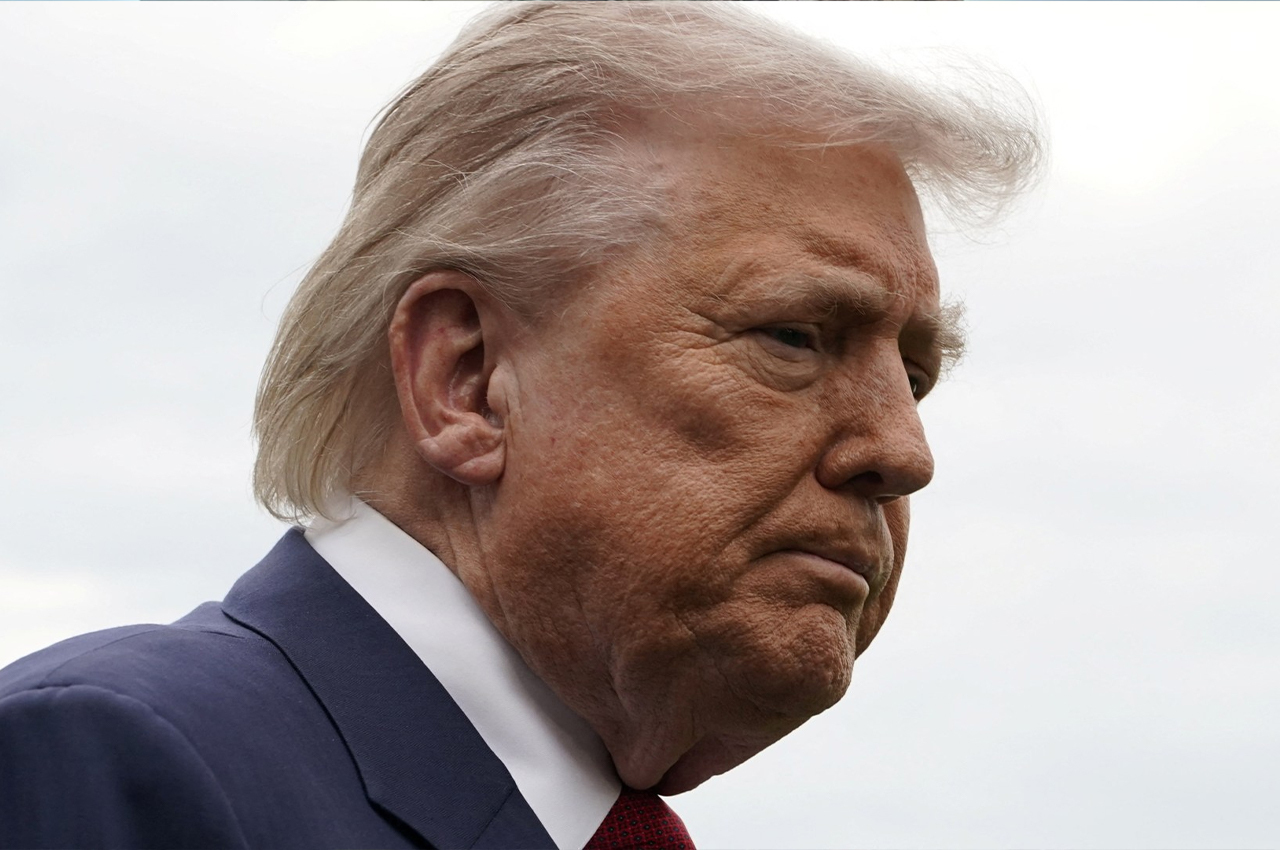
US intelligence and surveillance are tracking sites where Iran is thought to have hidden or buried enriched uranium material, said Donald Trump.
The most important parts of the statement:
- The US is continuing to monitor actively
- Suspected underground sites are being monitored by intelligence agencies.
- Washington is still worried about uranium enrichment operations
- Surveillance operations are part of the larger regional security operations.
Trump said the monitoring is to make sure Iran doesn’t proceed to build nuclear arms that go beyond internationally accepted bounds.
Why is enriched uranium a big problem?
The level of enrichment is indeed essential.
Why enrichment matters:
- The details of the enrichment level are shown for the most common uses.
- Low enriched uranium (civil nuclear energy)
- Medium enrichment Research and specialised uses
- High enrichment Potential weapons capability
International agencies continually monitor enrichment levels to ensure nuclear activity is not out of peaceful bounds.
Why would Iran be burying enriched uranium?
Under ground storage can have a couple of strategic purposes, analysts say.
Possible reasons include:
- Military protection.Military protection.
- Covering up from monitoring devices
- Security of strategic nuclear materials
- A higher level of leverage in negotiations.
Iran has long been claiming the nuclear program is for peaceful purposes, and Western governments have expressed suspicion of its long-term intentions.
How are these sites being monitored in the USA?
The United States depends on a mix of intelligence tools and international cooperation.
Some of the following methods can be used to monitor:
- Satellite surveillance
- Signals intelligence/electronic monitoring
- Intelligence-sharing with allies
- Nuclear watchdog agencies’ analysis.
The IAEA is still a key player in nuclear inspections and verifying activities around Iran.
How does this impact the situation between the US and Iran?
The announcement suggests that there remains a rift, even though there is some diplomatic dialogue.
Key implications:
- Nuclear negotiations put under greater strain.
- Ongoing U.S. military and intelligence preparations
- Risk of tighter sanctions or enforcement action.
- Greater geopolitical awareness among the Gulf people.More political sensitivity in the Gulf area.
Washington has made clear that its key national security goal is to thwart Iran’s ability to acquire nuclear weapons.
How could this impact the Middle East and the UAE?
Regional nuclear tension poses a wider security threat for Gulf countries like UAE.
Potential regional effects:
- An upsurge in military watchfulness and defence preparations.
- Increased geopolitical risk in shipping and energy markets.Increased geopolitical risk to shipping & energy markets.
- Unsettled trading in the Strait of Hormuz persists.
- A focus on air and missile defence in the region
The UAE has consistently championed the idea of diplomacy, and has called for regional stability and non-proliferation.
So why is it so hard to get nuclear negotiations going?
Talks are still complex due to several challenges that still need to be addressed.
Main obstacles:
- Uranium enrichment limits
- Sanctions relief demands
- Access to verification and inspection.
- Regional military tensions
Diplomatic relations are open, but the trust between Tehran and Washington is very low.
What happens next?
There are a number of scenarios that could occur:
- Scenario Potential Outcome
- Foreign policy progress Softenings in regional tensions
- Stalled negotiations Continued sanctions and pressure
- Increased military tensions Increased regional instability
- Greater inspections, heightened international supervision
There is ongoing close attention to developments on the global and regional markets.
A collection of frequently asked questions about the issue of US monitoring Iranian Enriched Uranium.
FAQs
Q1: Which of the following did Trump confirm?
A2: Trump stated the U.S. is keeping an eye on sites where Iran is allegedly burying enriched uranium.
Q2: Why is enriched uranium important?
A2: It is suitable for civilian nuclear power, or may be suitable for weapons use if enriched.
Q3: Is Iran allowed to enrich uranium?
A3: International treaties allow Iran some nuclear activity, but the level of enrichment and the oversight is highly controversial.
Q4: Is there the possibility of escalation of tensions in the region?
A4: Yes. Geopolitical risks in the Middle East, especially around the Gulf, are often raised by nuclear concerns.
What DKI Is Watching
As tensions in the Middle East rise, so does the need for greater nuclear monitoring, intelligence, and regional deterrence, as Trump’s remarks remind us.
Follow Dubai Key Insights (DKI) for deeper insights into Gulf security, energy geopolitics and international diplomacy.