





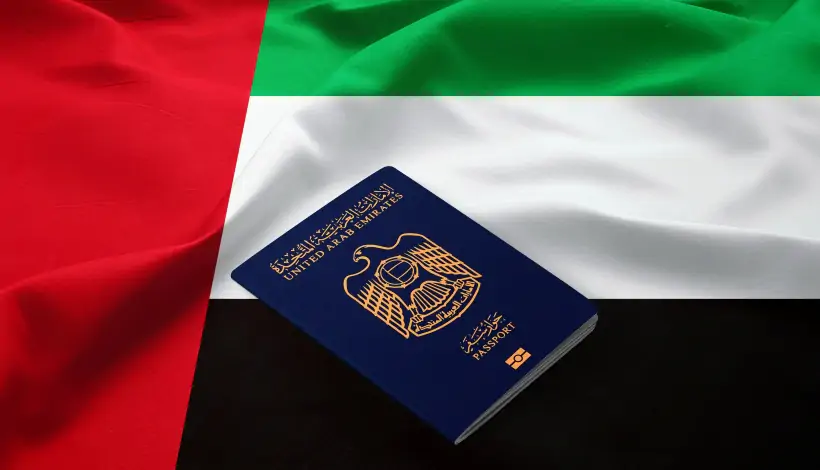
The prospect of permanent residency in the Emirates and replacing a foreign passport with an Emirati one seemed like nothing more than a mirage for centuries. The end of the road of official naturalization was firmly closed, yet expats made careers, raised families and retired under long-term renewable visas. The UAE citizenship 2026 landscape is evolving in intriguing ways today. The country has yet to have an open counter with a walk-in application system in which anyone can just purchase or apply for a passport, but the doors have opened for certain groups already. Understanding this process involves understanding the actual provisions of the current UAE nationality law and an understanding of the internet myths.
Understanding the Modern UAE Citizenship Framework
Emirati nationality is based on a dualistic approach in law. You’ve got the old school, traditional, and historic paths, having been there for years. Conversely, the revolutionary legal changes made for exceptional talent, investors and specialized professionals have restructured the ways in which foreign nationals become part of the nation’s social fabric.
Potential candidates are advised against filling out a general form on the Internet; the criterion for eligibility for citizenship of the United Arab Emirates is near strictness with regard to the professional or humanitarian categories into which the candidate fits. The state makes a deliberate effort to focus on targeting individuals who can contribute actively to a knowledge economy, to stimulate sustainable innovation or anchor huge capital investments in the Emirates.
Key Pathways: Who Can Actually Apply?
When considering how to acquire UAE citizenship, the first step is to determine your life profile and match it with a category. The government assigns candidates to a number of different buckets, with each bucket defined by a set of qualitative criteria and not just by random selection.
- Investors and Real Estate Founders: High-net-worth individuals holding significant property assets or managing scalable businesses can capture the attention of regulatory bodies.
- Specialized Talents and Professionals: Doctors, scientists, researchers and technical innovators with patents and published research often join the debate.
- Creative Minds and Artists: Cultural pioneers, award-winning authors, and internationally recognized artists can be put forward if their work directly elevates the cultural capital of the region.
- Long-Term Residents: The “old” naturalization process is still available, which calls for 30 years of continuous stay in the country, full command of Arabic, and a clean legal record.
Golden Visa vs. Citizenship: Clearing the Confusion
One thing that often confuses expat communities is the confusion about long-term residence permits and nationality. To understand the difference between UAE golden visa and citizenship, let’s take a closer look at the UAE golden visa vs citizenship debate.
Golden Visa is a residence program which grants visa to foreign nationals for a period of 5 to 10 years to reside, work and study in the country without the need to have a local corporate sponsor. It provides for a tremendous level of lifestyle security, but is still a visa marking in your foreign passport. Your citizenship, on the other hand, gives you an Emirati passport, the right to vote, and enjoy state-provided civic benefits, with no end to the legal ties with the country. The Golden Visa doesn’t automatically turn into a naturalization upon expiration, so that’s the chance to spend your entire career without citizenship.Residency cannot be automatic citizenship, and even if a high-level government body intervenes, you’d still have a chance to spend your entire career without citizenship.
The Nomination Process Explained
The UAE citizenship nomination process explained is one of the most misunderstood aspects of the system. It’s not possible to download a pdf and fill it out and email it to a government office. There is no self nomination.
Rather, the process starts by official sponsorship. The nominations are usually made by high-ranking institutions like Rulers’ or Crown Princes’ Courts, offices of the Executive Council, and the Cabinet, with participation facilitated by federal agencies such as the Federal Authority for Identity, Citizenship, Customs and Port Security (ICP). After your unique value to a state has been recognized by an authorized entity, your file goes through committee reviews, security screenings and background checks. The applicant must pass through these tough filters before taking up the formal oath of allegiance.
Core Requirements and Documentation
Each track has its own qualitative requirements, but all candidates must meet basic administrative requirements. To meet the minimum UAE citizenship criteria entails creating a watertight dossier.
- Valid Identification: Current Foreign passport with a clean legal residency history on the Emirates ID.
- Financial Standing: Bank statements and evidence of consistent self-support (from work or business).
- Clear Background Checks: Comprehensive police clearance certificates from both your home country and the UAE, proving zero criminal history.
- Educational Credentials: Attested university degrees, professional licenses, or proof of specialized industry standing.
Gathering all the necessary paperwork for UAE citizenship is an intricate process. All civil certificates issued by other countries are to be sent for complete attestation through diplomatic channels and translation into Arabic.
Navigating Marriage and Family Rules
However, a marriage with a local national citizen is subject to certain legal regulations which govern the transition. The UAE citizenship by marriage regulations mostly apply to the foreign women married to Emirati men, which must undergo extended observation periods, evidence of continued marital status, and behavioral assessments. Children born in the UAE to Emirati fathers (or in cases where the father is unknown or stateless) automatically acquire the Emirati nationality as per clear legal provisions.
The Reality of Dual Nationality
One of the most common queries for today’s workforce pertains to the UAE dual citizenship rules 2026. In the past, the country’s single-nationality policy also compelled naturalized citizens to give up their former passports. Although there are some exceptions, mainly for rare scientific or special talents whose own countries prohibit renouncing citizenship, the typical applicant should expect to face rigorous rules and regulations on the treatment of second passports. When interpreting the current meaning, it is always best to consult legal experts to get clarity on your particular passport portfolio.
Timelines: How Long Does the Journey Take?
UAE citizenship is a long process if you are wondering how long it takes, it depends on your path. Traditional naturalization calls for residents to live in the country lawfully for 30 consecutive years. The administrative review window, however, can vary from several weeks to many months depending on the length of the security clearance review, and the backlog at the executive council level, as it does with exceptional talent or investor nominations, which eliminate the multi-decade waiting period.
Frequently Asked Questions (FAQs)
Q1. Can everyday expats apply for UAE citizenship on their own?
A1. Public channels do not accept no. Ordinary self-sponsored applications. Nominations must be from a recognized government body, Ruler’s Court, or Federal body for exceptional contributions, investments or specialized skills.
Q2. Do I have to give up my original passport if I naturalize?
A2. Under most of the ordinary circumstances, the law mandates relinquishing foreign citizenship. But there are exceptions under royal decrees at the highest level of expertise, as these are done on a case-by-case basis.
Q3. Does holding a Golden Visa guarantee eventual citizenship?
A3. No. The Golden Visa offers stability of residency for 5 to 10 years, but does not automatically turn into a passport unless the individual is formally nominated by the government via a merit or investment criterion.
Q4. What is the fastest legal route to getting an Emirati passport?
A4. The quickest is through superior merit-based nominations from world famous scientists, medical breakthroughs, investors and/or high-profile cultural figures whose profiles are actively promoted by top federal officials.
Final Thoughts
The path to a future in the Emirates rewards patience, professional excellence and strong economic integration. On the path to local passport, it’s a solitary road, but knowing the structure realities helps you place your career and investments properly.
Looking to discover your tailored eligibility journey to long-term residency or business expansion in the UAE?
Call our advisory team in Dubai Key Insights today and arrange a thorough roadmap consultation with our regional legal team.