





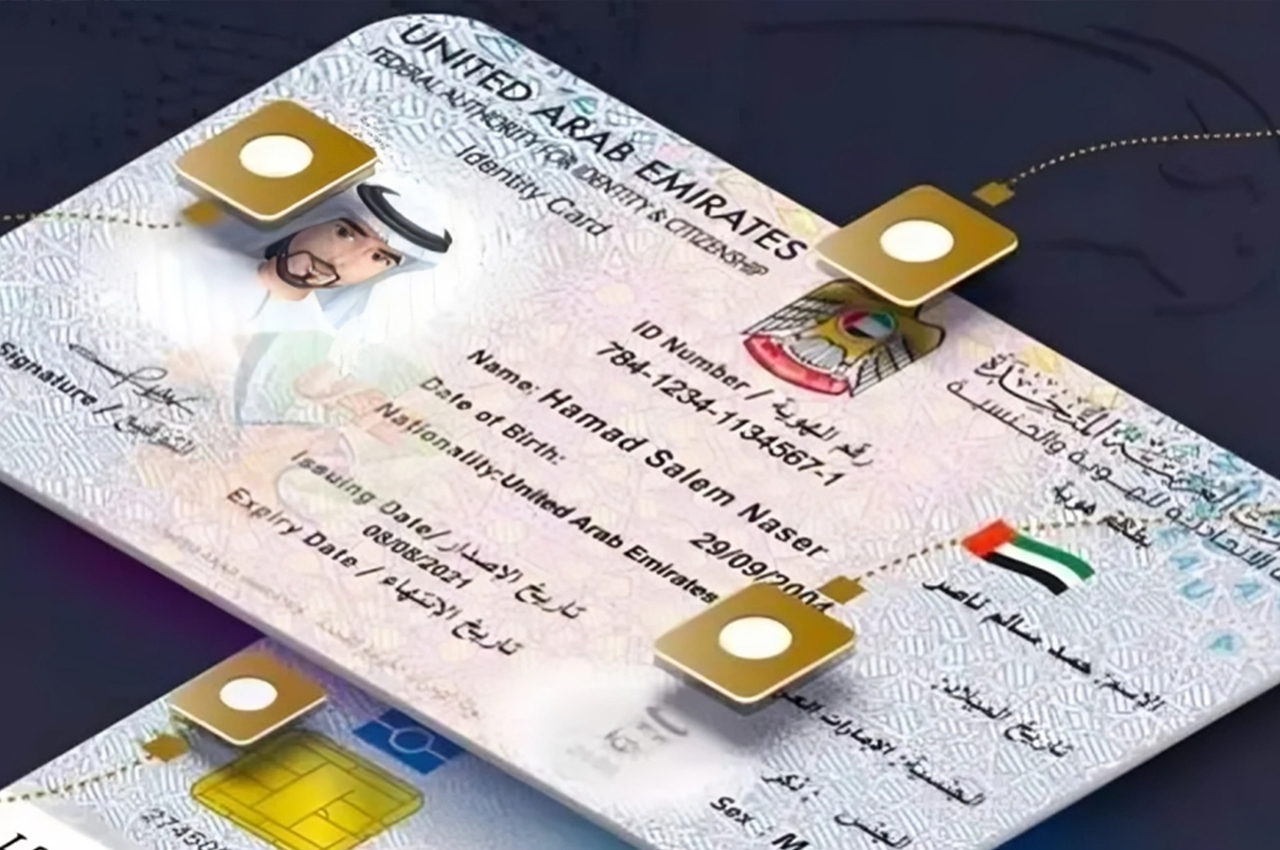
UAE warns residents against fraudsters using ICP name and logo for fake calls and websites, raising fresh concerns over sophisticated online scams targeting individuals across the country. Authorities have urged the public to remain vigilant as cybercriminals attempt to exploit trust in official institutions.
Key Development
The Federal Authority for Identity, Citizenship, Customs and Port Security has issued a public warning about fraudulent activities where scammers impersonate the authority using its official name, branding, and logo.
These fraud attempts reportedly involve:
- Fake phone calls claiming to be from ICP officials
- Phishing websites designed to look like official government portals
- Requests for personal data, Emirates ID details, or payments
- Messages urging urgent action to avoid penalties or service suspension
Authorities have clarified that ICP does not request sensitive personal or financial information through unsolicited calls or unofficial websites.
Residents are being advised to verify any communication through official channels and to avoid sharing confidential information with unknown sources.
Why It Matters
The warning highlights the growing sophistication of cyber fraud in the UAE and the risks faced by residents.
For individuals:
- Potential loss of personal data and financial assets
- Risk of identity theft and misuse of official documents
- Increased exposure to online scams targeting expatriates and residents
For the wider economy:
- Undermines trust in digital services
- Raises the need for stronger cybersecurity awareness
- Encourages stricter verification measures
As the UAE continues to expand its digital government services, ensuring public awareness is critical to maintaining trust and security.
Bigger Picture
Cybersecurity threats are becoming more advanced globally, with fraudsters increasingly targeting government institutions to gain credibility.
In the UAE, rapid digital transformation has led to:
- Widespread use of online government services
- Increased reliance on mobile applications and digital identity systems
- Greater convenience but also higher exposure to cyber risks
Authorities have been actively working to counter these threats through:
- Public awareness campaigns
- Strengthened cybersecurity frameworks
- Collaboration with telecom and financial institutions
The UAE’s proactive approach reflects its commitment to maintaining one of the safest digital environments in the region.
What Happens Next
Authorities are expected to intensify efforts to combat fraudulent activities and protect residents.
Key actions likely to follow include:
- Enhanced monitoring of fake websites and scam networks
- Increased public awareness campaigns across media platforms
- Collaboration with banks and telecom providers to detect fraud
- Stricter penalties for cybercrime offenders
Residents are encouraged to:
- Use only official government websites and apps
- Verify suspicious calls or messages directly with authorities
- Report scams to relevant UAE agencies
Staying informed and cautious will be essential as cyber threats continue to evolve.
FAQs
What is the warning about?
The UAE has warned residents about fraudsters impersonating ICP through fake calls and websites.
What does ICP stand for?
It stands for the Federal Authority for Identity, Citizenship, Customs and Port Security.
How do these scams work?
Scammers use fake calls, messages, or websites to request personal or financial information.
What should residents do if contacted?
They should avoid sharing information and verify the communication through official channels.
How can scams be reported?
Residents can report suspicious activity to UAE authorities through official government platforms.