


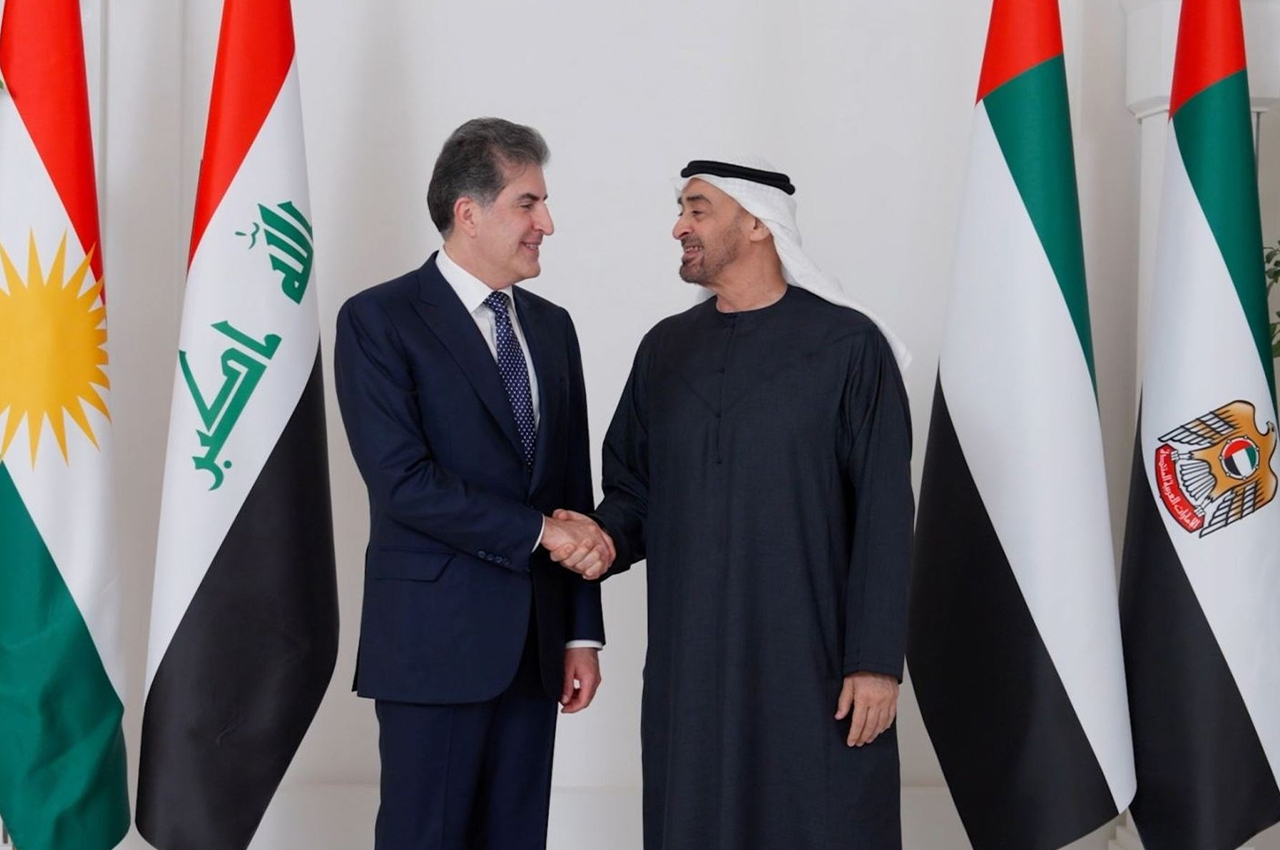
UAE and Kurdistan leaders discuss regional issues and bilateral cooperation, reinforcing growing diplomatic and economic ties at a time of shifting Middle East dynamics. The high-level engagement reflects a shared focus on stability, investment, and long-term partnership.
Key Development
Senior officials from the United Arab Emirates and the Kurdistan Region held talks centred on strengthening bilateral relations and addressing key regional developments.
The discussions involved Sheikh Mohamed bin Zayed Al Nahyan and Nechirvan Barzani, highlighting the importance of sustained dialogue between the two sides.
Key areas of focus included:
- Enhancing economic cooperation and investment opportunities
- Expanding trade and business partnerships
- Addressing regional security and stability concerns
- Strengthening diplomatic engagement and coordination
The meeting underscores a mutual commitment to building stronger ties while navigating complex geopolitical challenges.
Why It Matters
The UAE’s engagement with the Kurdistan Region reflects a broader strategy of strengthening partnerships across the Middle East.
Key implications include:
- Increased investment opportunities in energy, infrastructure, and trade
- Enhanced regional cooperation on security and stability
- Strengthening economic diversification efforts
For businesses and investors, the discussions signal potential growth in cross-border opportunities, particularly in sectors such as construction, logistics, and energy.
The UAE’s proactive diplomacy also reinforces its role as a key player in regional dialogue and conflict resolution.
Bigger Picture
The meeting comes at a time when the Middle East is undergoing significant geopolitical shifts, with countries seeking to build resilient partnerships.
The UAE has consistently focused on:
- Expanding economic diplomacy across the region
- Supporting stability through dialogue and cooperation
- Building strategic alliances that promote growth and development
The Kurdistan Region, with its strategic location and natural resources, is an important partner in this context.
Closer ties between the UAE and Kurdistan could lead to:
- Greater investment flows into infrastructure and energy projects
- Increased trade connectivity between Gulf and northern Iraq markets
- Stronger collaboration in economic development initiatives
This aligns with the UAE’s long-term vision of strengthening regional integration and economic resilience.
What Happens Next
Following the discussions, both sides are expected to explore concrete initiatives to deepen cooperation.
Key developments to watch include:
- New investment agreements and joint ventures
- Expansion of trade partnerships
- Increased diplomatic engagement at multiple levels
- Collaboration on regional security frameworks
As regional dynamics continue to evolve, sustained dialogue between the UAE and Kurdistan is likely to play an important role in promoting stability and economic growth.
The meeting signals a forward-looking approach, with both sides aiming to translate discussions into tangible outcomes.
FAQs
Who were involved in the discussions?
Leaders from the UAE and the Kurdistan Region, including Sheikh Mohamed bin Zayed Al Nahyan and Nechirvan Barzani.
What was discussed?
Regional issues, economic cooperation, trade, and security matters.
Why is this meeting important?
It strengthens bilateral ties and supports regional stability and economic growth.
Which sectors could benefit?
Energy, infrastructure, trade, and logistics are key sectors.
What is expected next?
Further agreements and initiatives to enhance cooperation between the two sides.