





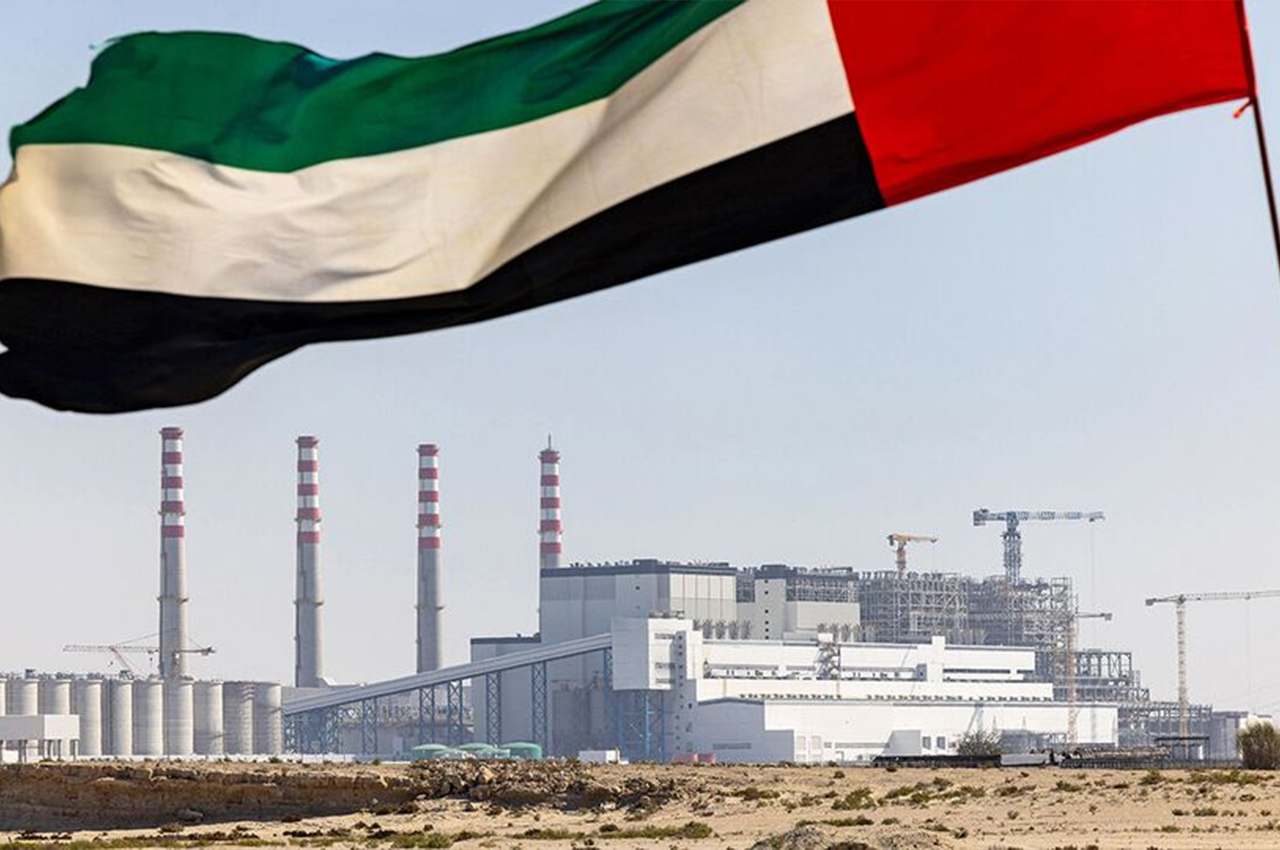
UAE doubles down on strategic alliances with US and Israel to bolster regional stability, reinforcing its role as a key diplomatic and economic bridge in the Middle East. The move highlights the country’s continued focus on security cooperation, economic partnerships, and long-term geopolitical balance.
Key Development
The United Arab Emirates is strengthening its strategic partnerships with both the United States and Israel, building on frameworks established under the Abraham Accords.
Recent engagements have focused on expanding cooperation across key sectors, including defence, technology, energy, and trade. The UAE is positioning itself as a stabilising force in a region facing ongoing geopolitical tensions and evolving security challenges.
Key areas of collaboration include:
- Enhanced defence and intelligence coordination
- Joint technology and cybersecurity initiatives
- Expansion of trade and investment flows
- Cooperation in energy, including renewables and advanced infrastructure
The renewed focus on alliances signals a proactive approach to diplomacy, with the UAE seeking to balance regional relationships while maintaining global partnerships.
Why It Matters
The UAE’s decision to deepen ties with the US and Israel carries significant implications for regional stability and economic growth.
For regional security:
- Strengthens collective deterrence and defence capabilities
- Promotes intelligence sharing and crisis response coordination
- Supports stability in key strategic zones
For economic development:
- Unlocks new trade corridors and investment opportunities
- Accelerates innovation through joint technology initiatives
- Enhances access to advanced research and development ecosystems
For Gulf economies, this alignment reinforces a broader shift towards strategic partnerships that go beyond traditional alliances, focusing on long-term economic and technological integration.
Bigger Picture
The UAE’s approach reflects a wider transformation in Middle East geopolitics, where economic cooperation and innovation are becoming central to diplomatic strategy.
The Abraham Accords have already facilitated:
- Increased trade between the UAE and Israel
- Growth in tourism and cultural exchange
- Collaboration in sectors such as fintech, healthcare, and clean energy
At the same time, the UAE’s longstanding partnership with the United States continues to underpin its security and economic framework.
This multi-alignment strategy allows the UAE to:
- Diversify its international partnerships
- Strengthen resilience against global uncertainties
- Position itself as a global hub connecting East and West
The approach also aligns with national priorities such as economic diversification, technological leadership, and sustainable development.
What Happens Next
The UAE is expected to further expand these alliances through new agreements, joint ventures, and high-level engagements.
Key developments to watch include:
- New bilateral trade and investment deals
- Expansion of joint defence and security initiatives
- Increased collaboration in artificial intelligence and digital infrastructure
- Growth in renewable energy partnerships
As regional dynamics continue to evolve, the UAE’s strategy is likely to focus on maintaining balance while strengthening its role as a mediator and connector in global affairs.
The continued deepening of ties with the US and Israel signals a long-term commitment to stability, growth, and innovation in the region.
FAQs
Why is the UAE strengthening alliances with the US and Israel?
To enhance regional stability, boost economic cooperation, and strengthen security partnerships.
What are the Abraham Accords?
They are agreements signed in 2020 that normalised relations between Israel and several Arab countries, including the UAE.
How does this impact the Gulf region?
It promotes stability, increases trade opportunities, and encourages technological collaboration.
Which sectors benefit most from these alliances?
Defence, technology, energy, and trade are key sectors benefiting from deeper cooperation.
What is the UAE’s long-term strategy?
To position itself as a global hub for innovation, diplomacy, and economic growth through diversified partnerships.