





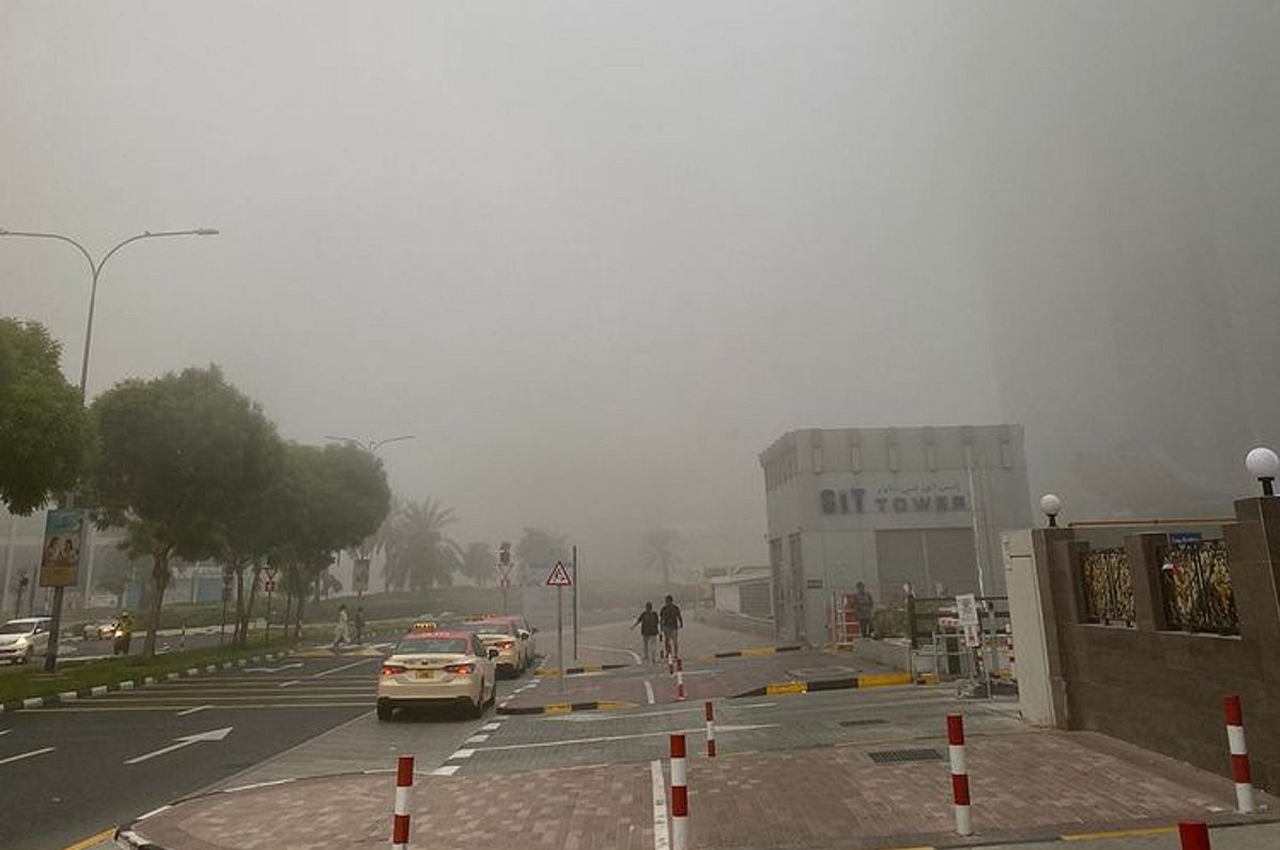
Mist, dust, and rising heat UAE’s week ahead is not what you planned for, as shifting weather patterns bring a mix of reduced visibility, hazy skies, and climbing temperatures across the country. Residents are being advised to stay alert as conditions fluctuate between early morning mist and dusty daytime winds.
Key Development
Across the United Arab Emirates, the upcoming week is expected to see a combination of misty mornings, dust-laden winds, and a gradual increase in temperatures.
Weather conditions are likely to include:
- Early morning mist and fog in coastal and internal areas
- Dust and suspended particles reducing daytime visibility
- Light to moderate winds occasionally picking up dust
- Rising daytime temperatures, especially inland
These conditions are typical during seasonal transitions, when humidity, wind patterns, and heat begin to shift.
Authorities have advised motorists to exercise caution during low visibility periods, particularly in the early hours of the day.
Why It Matters
The evolving weather pattern has practical implications for daily life across the UAE.
For residents:
- Reduced visibility can impact morning commutes
- Dust in the air may affect respiratory health
- Rising temperatures signal the approach of hotter months
For businesses:
- Construction and outdoor work may face disruptions
- Logistics and transport operations could be affected by visibility issues
- Increased demand for indoor services and cooling systems
For public health:
- Dust and fine particles may trigger allergies or breathing difficulties
- Hydration becomes increasingly important as temperatures rise
The mix of conditions requires both awareness and preparation.
Bigger Picture
The UAE’s weather during this period reflects a broader seasonal transition from mild winter conditions to hotter summer months.
Key trends include:
- Gradual increase in average temperatures
- More frequent dust and sand activity due to shifting winds
- Higher humidity levels in coastal areas
- Occasional fog formation during early mornings
Cities like Dubai and Abu Dhabi often experience these changes, particularly as inland heat interacts with coastal moisture.
The country has invested heavily in weather monitoring and forecasting systems, allowing authorities to issue timely alerts and ensure public safety.
This proactive approach helps minimise disruption and supports sectors such as aviation, transport, and construction.
What Happens Next
The current weather pattern is expected to continue in the short term, with gradual intensification of heat as the season progresses.
Key developments to watch:
- Increasing daytime temperatures over the coming weeks
- Continued presence of dust and haze during windy periods
- Fluctuations in humidity levels
- Potential for more frequent fog or mist in early mornings
Residents are encouraged to:
- Monitor daily weather updates
- Drive carefully in low visibility conditions
- Limit outdoor exposure during dusty periods
- Stay hydrated as temperatures rise
As the UAE moves closer to peak summer, these transitional weather patterns are likely to become more pronounced.
FAQs
What weather conditions are expected this week in the UAE?
Mist, dust, and rising temperatures are expected across various regions.
Why is there more dust in the air?
Shifting wind patterns during seasonal change can lift dust and sand into the atmosphere.
Is it safe to drive during mist or fog?
Drivers should exercise caution, reduce speed, and use proper lighting during low visibility.
How can residents protect themselves from dust?
Wearing masks, staying indoors during heavy dust, and using air purifiers can help.
Will temperatures continue to rise?
Yes, temperatures are expected to increase gradually as summer approaches.