



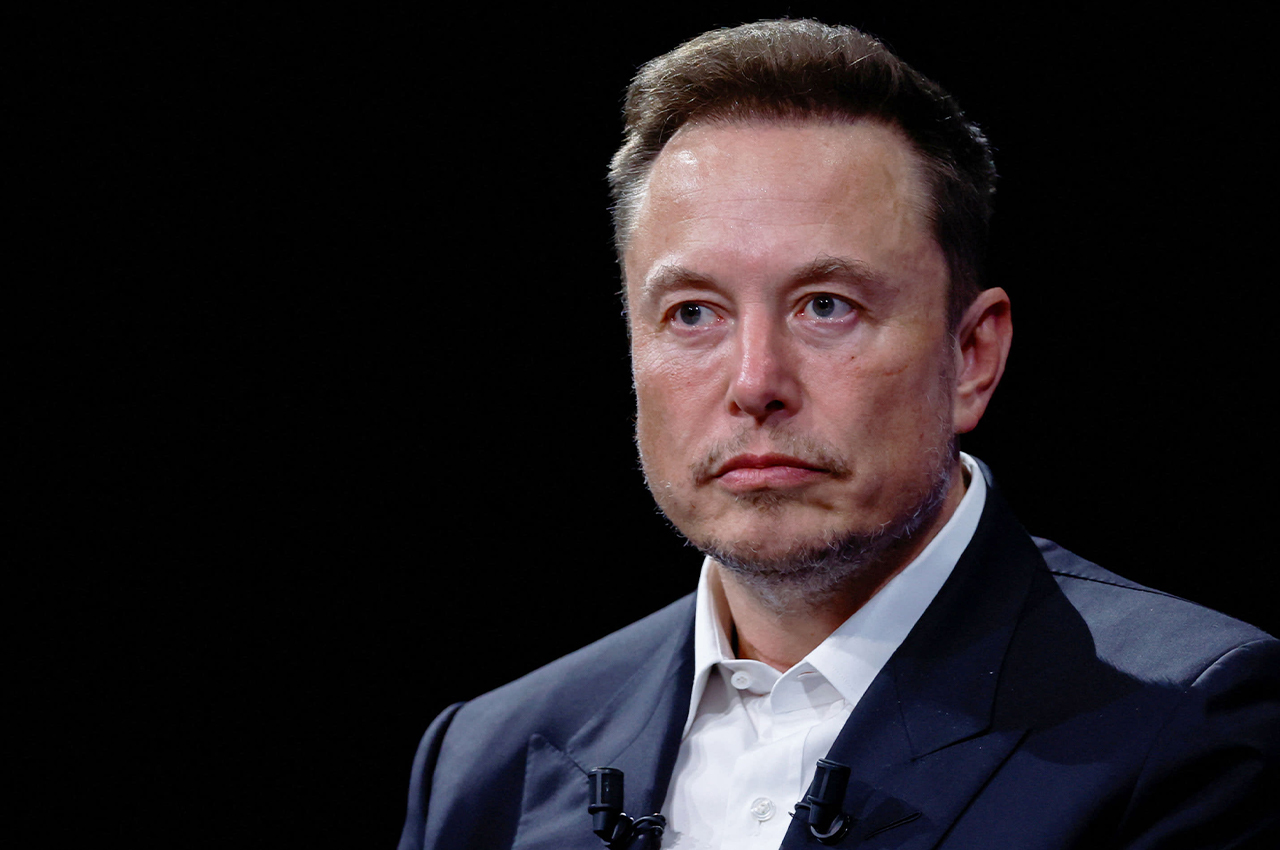
Elon Musk just testified in court that Grok was trained on OpenAI’s models, in a revelation that is sending shockwaves through the global AI industry. The statement came during a high-profile legal battle and is raising serious questions about how artificial intelligence systems are built, trained, and regulated.
Key Development
During testimony in a US federal court, Elon Musk acknowledged that his AI company xAI used technology from OpenAI to train its chatbot Grok.
The admission centred around a technique known as model distillation, where outputs from a more advanced AI system are used to train another model. Musk reportedly confirmed that this was done “partly”, describing it as a common industry practice.
The testimony came as part of an ongoing lawsuit where Musk is challenging OpenAI’s shift from a nonprofit structure to a for-profit model.
Key takeaways from the testimony:
- Grok training involved partial use of OpenAI models
- The method used is known as AI distillation
- Musk described the practice as widespread across the industry
- The admission came under cross-examination in court
The statement has intensified scrutiny on how AI companies build competitive models.
Why It Matters
This revelation has major implications for the global AI race, particularly as companies invest billions into developing proprietary models.
For the AI industry:
- Raises concerns over intellectual property and fair use
- Highlights blurred lines between innovation and replication
- Could trigger stricter regulations around AI training methods
For companies:
- Puts pressure on firms to protect model outputs and data
- May lead to tighter terms of service and enforcement
- Increases legal risks in competitive AI development
For users and businesses:
- Could accelerate AI development and lower costs
- May lead to faster innovation cycles
- Raises questions about trust, originality, and transparency
The issue sits at the heart of how modern AI ecosystems function.
Bigger Picture
The use of model distillation is not new, but Musk’s public admission has brought it into the spotlight.
In simple terms, distillation allows smaller or newer AI systems to:
- Learn from the responses of more advanced models
- Reduce development time and computational cost
- Achieve competitive performance without massive infrastructure
However, the practice exists in a legal grey area. Some companies consider it acceptable, while others argue it violates usage policies.
The broader context includes:
- Intensifying competition between AI giants
- Rapid expansion of generative AI tools worldwide
- Growing regulatory attention in the US, Europe, and Asia
The case also highlights tensions between major players such as OpenAI, xAI, and other global AI developers.
For Gulf markets, including the UAE and Saudi Arabia, the outcome of such cases could influence:
- AI investment strategies
- Regulatory frameworks
- Adoption of enterprise AI solutions
What Happens Next
The legal battle between Musk and OpenAI is expected to continue, with more testimony and evidence likely to emerge.
Key developments to watch:
- Court rulings on AI training practices
- Potential regulatory responses globally
- Changes to AI company policies on data usage
- Impact on competition between major AI firms
If courts or regulators take a firm stance, the way AI models are trained could change significantly.
At the same time, the admission may accelerate industry discussions around transparency, ethics, and ownership in artificial intelligence.
FAQs
What did Elon Musk say in court?
He acknowledged that xAI partly used OpenAI’s models to train Grok.
What is model distillation?
It is a method where one AI model learns from the outputs of another.
Is this practice legal?
It exists in a grey area and may depend on platform policies and future regulations.
Why is this important?
It affects how AI systems are developed and raises questions about intellectual property.
Will this impact AI users?
Potentially yes, as it could influence pricing, innovation, and trust in AI tools.