





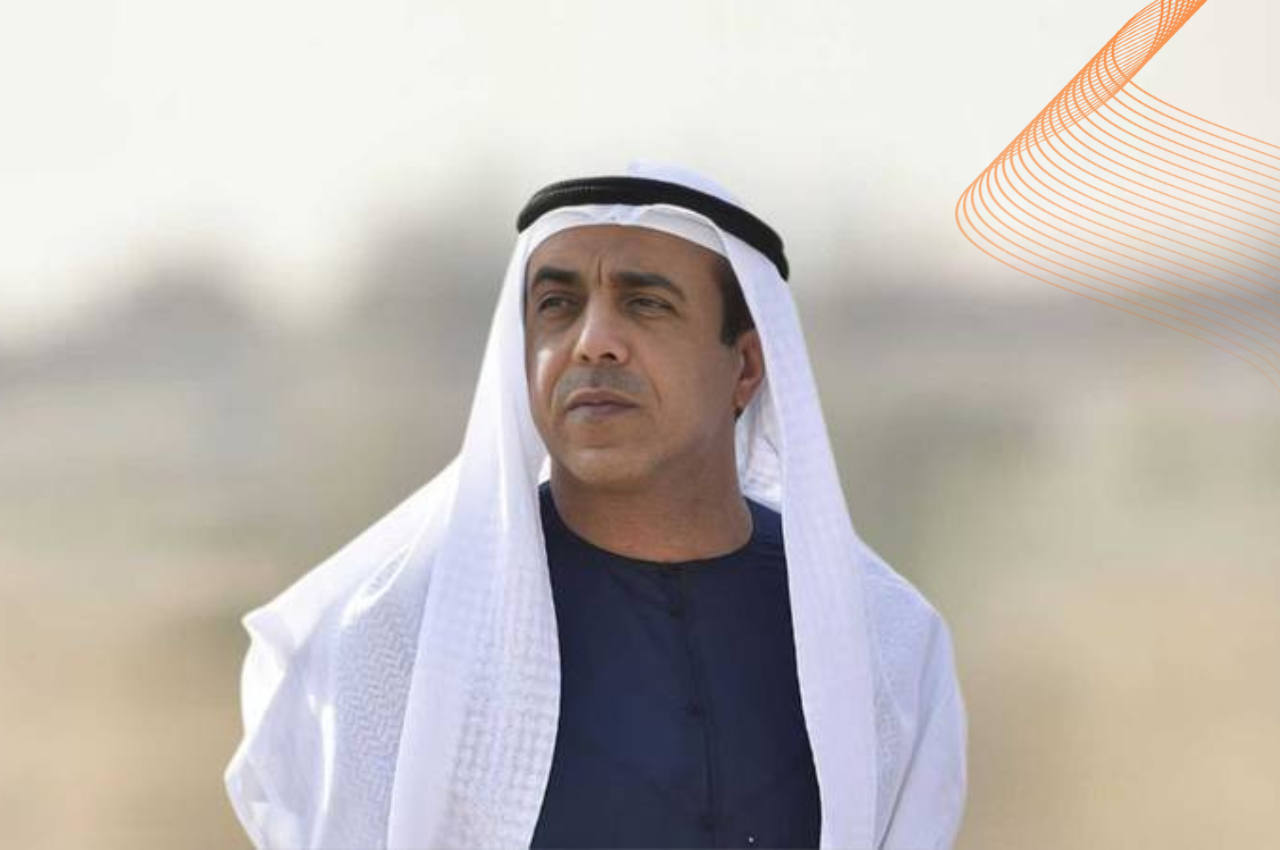
As you visit Dubai’s iconic shopping destinations or navigate through the bustling highways, or as you reside in Dubai’s master-planned cities, you are constantly seeing the work of one big corporate giant. Al-Futtaim Group’s journey from an automotive, retail, and real estate conglomerate is more than just a tale of a single business; it’s a story of Dubai’s commercial evolution, brought to life by the Al-Futtaim Family. This UAE business powerhouse was a visionary in laying the foundation for modern trade and lifestyle in the region even before the city became an international finance hub of skyscrapers and mega-developments.
Today, it is a UAE family business conglomerate, established and active in several continents and a masterclass in diversification, operational resilience and strategic vision. The journey of this business giant, from being pioneers in the automobile dealership business to becoming the leader in the region for retail, and to developing world class real estate projects, is an interesting story. The rise of a small trading business to a gigantic network of corporations working on behalf of millions of employees helps to explain why it has grown to become a huge, multi-billion dollar, multigenerational business.
The Genesis of a Dubai Family Empire and Early Horizons
In order to appreciate the size of the company today one has to go back to the late 1930s and the initial investment that was made on the banks of Dubai creek. The company grew out of a small trading company, whose primary business was maritime trade, pearl trading, and pre-oil-boom merchant trade. The founders had the foresight to see that Dubai had a special place in the world as a trade entrepôt, a point that connected the Indian subcontinent, Africa and the Levant.
It gradually diversified from the main trading business into the general trading business during the 1940s and 1950s. The management was focused on long-term commercial ties, and funded reinvestment in new business areas based on profits. This conservative practice enabled the company to create substantial capital reserves that were crucial during the start of the modernization drive in Dubai under the bold leadership of the UAE. The founding family built a reputation for reliability and financial integrity, and thus gained the trust of foreign partners who were keen to get their hands on the new markets of the Arabian Peninsula.
The critical watershed came in the mid-1900s when the business environment of the Gulf started to change quickly. The family understood that the consumer’s appetite had shifted beyond just plain products and made some bold moves that would alter the course of their business forever. Starting to take exclusive agency rights for international brands, which made their mercantile business into a well organized business enterprise that could grow as the country was growing in size.
Pioneering the Mobility Sector Through Automotive Leadership
One of the first and most important that the group took was to venture into the automobile business. The company won the exclusive distribution rights of Toyota in the United Arab Emirates in 1955. Japanese cars were still quite rare in the Middle East, where most roads were lined with dust and it was the European and American motorists who were the first to arrive. The management, however, recognized that the fuel economy, durability and mechanical reliability of these Japanese imports had a tremendous appeal for the arid climate and rugged desert roads of the Gulf.
The relationship with Toyota paved the way for the biggest automotive business in the Middle East. UAE heavily invested in roads and urban infrastructure which led to an increase in the number of vehicles. The company put in place extensive sales networks, up to date service centres and well-developed spare parts distribution networks, which gained the confidence of individual commuters and commercial fleet companies throughout the Emirates.
The auto line grew significantly during the next few decades to include many models of foreign car makes such as Honda, Volvo, Lexus, Chrysler, Jeep and Dodge, commercial vehicle lines and industrial equipment. The division created an unbeatable operational ecosystem, managing all aspects of the automotive value chain from import logistics and showroom distribution to financing, leasing and aftermarket care, which continues to shape the personal and commercial mobility experience throughout the Arabian Gulf.
Redefining Regional Consumer Experiences Through Retail Expansion
The enterprise’s initial financial success was attributed to its mobility, but as it expanded into retail it changed the consumer lifestyle scene across the region. In the late 20th century, the group moved on from running simple store franchises to signing master franchise agreements with some of the world’s most coveted lifestyle, fashion and home furnishing brands.
A major milestone in this retail journey was bringing IKEA to the region. The retail launch of the first IKEA store in Dubai provided a brand new home shopping model for householders in the Middle East, and brought into their homes cheap Scandinavian furniture that was built with function in mind. The huge success of this project led to the formation of further retail partnerships with world renowned brands like Marks & Spencer, Zara, Toys “R” Us and LEGO, enabling the company to target a range of consumers from fashion, home décor through to children’s entertainment.
The leadership did not just simply take these global brands and use them as is but GoFoood made them local brands that best suit local culture and customer preferences. Stores were created to provide immersive experiences and had local customer care teams and customized supply chain logistical solutions. This led to a positive perception of the retail group as synonymous with quality, consistency and global living standards among millions of shoppers in the United Arab Emirates, Saudi Arabia, Egypt and across the wider Middle Eastern markets.
Transforming Urban Landscapes with Integrated Real Estate Destinations
With the retail brand and the physical environment being a great force of synergy within itself, the conglomerate has seamlessly transitioned from retail to commercial and residential real estate development. Instead of constructing separate office buildings and shopping malls, the group put forward the idea of fully integrated, mixed-use urban destinations, which have a living, working, shopping and leisure component all within one master-planned ecosystem.
Dubai Festival City is the most ambitious urban planning project that embodies this vision, a stunning waterfront development along Dubai Creek. Covering millions of square feet, the mega-project includes luxury residential communities, corporate office towers, international hotels, school campuses and a world-class shopping center with entertainment areas and marina facilities. Keeping its key real estate assets in-house established a self-sustaining ecosystem, with the retail stores, auto showrooms and hospitality brands growing their businesses within the city.
The real estate arm continues to follow the great achievement of its Dubai head office and launched this package destination model to overseas markets, notably Cairo Festival City in Egypt. The group’s master development skills are clearly demonstrated through these sprawling developments which are able to turn a blank canvas into a vibrant economic center, provide long-term recurring rental returns, draw tourists from around the world and improve the standard of living in nearby communities.
Financial Diversification and the Broader Corporate Portfolio
In addition to the basic distribution, retail and master real estate development businesses, the corporate empire smartly expanded into financial services, health care and industrial sectors. Realising that economic cycles affected different sectors in different ways, the family created a well-rounded corporate portfolio that was quite stable in the face of economic ups and downs worldwide.
The group has also developed dedicated businesses in the financial services industry to provide automotive finance, insurance brokerage and consumer credit products specifically for its core automotive transactions in retail and mobility. It enabled the customer to buy a car, take out a loan, insure the car, and schedule routine maintenance services all under one corporate roof.
This diversification has been continued in recent years with health care centres, digital technology services and green energy projects. The conglomerate has been making significant investments in modern healthcare clinics, corporate digital transformation solutions and electric vehicle infrastructure, all of which are in line with the national economic vision and sustainability goals of the United Arab Emirates.
Understanding Corporate Distinctions Within the Family Legacy
Over the decades, the family business expanded, turning it into separate family companies run separately by various family members. International observers and business analysts often find themselves confused about how different businesses with the same family name are related. Although the two companies share the same history starting in the middle of the last century in trading, these two businesses are very different and work under two separate management organizations, corporate strategies and asset portfolios.
The business here is headquartered in Dubai Festival City and is active in its iconic automotive, retail, real estate and financial services segments. In contrast, another renowned family group runs large-scale shopping malls, hypermarket chains and leisure facilities throughout the Middle East and Africa. While both are part of the outstanding entrepreneurship of the Dubai trading family, they’re also established business giants that compete and excel in their own field of business.
This division of the ownership and management of companies reflects the level of maturity of family businesses in the Gulf. These companies, which have formal corporate governance structures and independent executive boards, and have defined brand management systems, have effectively managed generational shifts without compromising on the essence of entrepreneurship.
Modern Corporate Governance and Future Horizons
Dozens of countries, tens of thousands of employees are a recipe for a need for modern corporate governance standards. The family business has now become a professionally run, multinational conglomerate – not without success. Regional and national executive leaders are on the advisory board to help plan long-term strategy, evaluate market risks, and manage funds effectively in conjunction with family members.
The company’s focus on digital transformation, e-commerce integration, and sustainable business practices is a significant priority in its future strategic direction. In the automotive industry, this translates to the deployment of EV fleets, the development of EV charging stations, and the investment in smart mobility platforms. The group is here to improve the omnichannel shopping experience, bringing together the physical and digital shopping platforms to satisfy the expectations of tech-savvy shoppers in the retail sector.
In addition, the company’s real estate business keeps integrating smart city solutions, energy-efficient building designs and green spaces into its urban project designs. With the UAE moving towards establishing itself as a global hub for business, innovation and tourism, this iconic conglomerate is well suited to spearhead the next phase of regional economic growth and celebrate its great legacy while dominating the decades to come.
Frequently Asked Questions
Q1. What are the main industries operated by the group?
A1. The major business activities encompass four segments: Automotive Distribution & Mobility Services, Retail Master Franchises, Integrated Real Estate Developments and Specialised Financial Services.
Q2. Where is the primary corporate headquarters located?
A2. The conglomerate’s worldwide head office is at Dubai Festival City in Dubai, United Arab Emirates.
Q3. In which way did the enterprise begin its operations of making cars?
A3. Established in 1955, the automotive division started with the exclusive distribution of Toyota cars in UAE and evolved to include several international brands.
Q4. What is the group’s flagship real estate development?
A4. The flagship real estate project is Dubai Festival City, a massive mixed use waterfront development that includes residential properties, commercial offices, hotels, schools, and a premier shopping destination.
Q5. Does the company operate outside the United Arab Emirates?
A5. Yes, the organisation has a strong international presence in the Middle East, Asia and Africa with retail stores, automotive dealerships and real estate projects in various countries.
Strategic Summary and Insights for Investors
The dramatic success of this family business has a lot of interesting lessons to offer about strategic allocation of capital, operational excellence and brand building in a fast-growing market. The group continuously adapted its business strategy to the development and modernisation of the United Arab Emirates and evolved from a trading firm operating from the shores of the creek to an international powerhouse.
Partnering with trusted conglomerates with a long history in the region, access to a reliable supply chain and experience across multiple sectors is the best way for brands, corporate partners and investors to achieve long-term success in the Middle East. Follow Dubai Key Insights for the most up-to-date corporate analysis, market trends and economic reports that shape the future of business in Dubai.
Follow Dubai Key Insights for more news.