





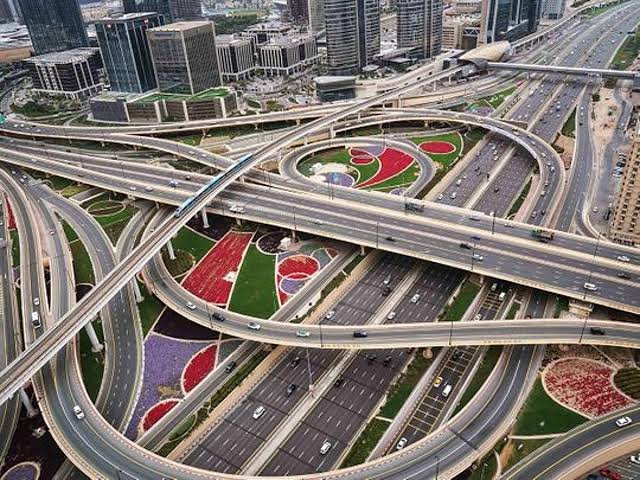
The highways and city streets of Dubai run smoothly and are world-class. But for all drivers to stay safe and avoid getting into serious trouble, they need to know about the new speed regulations in Dubai. The Roads and Transport Authority (RTA) is continuously expanding the roads infrastructure while Dubai Police is operating the smart transport management system, which provides accurate and strict speed monitoring.
From road users who commute daily along the country’s arterial highways to visitors on a vacation cruise through the heart of the emirate, the up-to-date speed limits, radar detection and penalties provide a smooth driving experience.
Key Highlights of Updated Speed Limits Across Major Dubai Roads
Dubai’s traffic management system is based on a concept that aligns road speed to the density of the city, number of lanes and the amount of pedestrian use. These limits are subject to periodic revision by the RTA, after technical studies designed to improve safety and minimise congestion.
Major Highway Maximum Speed Thresholds
Dubai’s roads to other emirates have been given a higher velocity limit to cater for heavy long-distance travelling. The normal speed limit for Sheikh Zayed Road (E11) is 100 km/h. Emirates Road (E611) allows for high-speed driving, up to 120 km/h, on key non-rush-hour segments of the road, for long-distance commuters. Sheikh Mohammed Bin Zayed Road (E311) is set to 110 to 120 km/h depending on the density of the road and Dubai–Al Ain Road (E66) is set at 100 km/h.
Key Urban Arterials & City Streets
High capacity and cross-town connectivity along urban corridors in central areas. Along its main trunk, Al Khail Road (E44) is given a standard speed limit of 100 km/h. Al Asayel Street has been upgraded to 80 km/h between Oud Maitha Street and Al Meydan Street and Al Mustaqbal Street is upgraded to 70 km/h between Sheikh Rashid Street and Al Meydan Street. The speed limit on Latifa bint Hamdan Street between Sheikh Zayed Road and Al Khail Road is 70 km/h while Al Rebat Street has a speed limit of 90 km/h between Marrakech Street and E311. Sheikh Sabah Al Ahmad Al Jaber Al Sabah Street has been lowered to 70 km/hr max.
Residential, Downtown, and Commercial Zones
Urban areas focus on pedestrian safety and decreasing noise levels to the community. In Downtown Dubai and Dubai Marina, the speed limits range between 40 km/h and 60 km/h as is usual in Dubai. The internal residential streets and those limited to school use have speed limits of between 30 km/h and 40 km/h, to ensure that the streets are used for pedestrian traffic.
Understanding the Speed Tolerance Buffer in Dubai
One of the most vital parts about driving in UAE is to be aware of how the speed buffer is applied in varying emirates.
The 20 km/h Radar Buffer Rule
Dubai has a grace period of 20 km/h above the limit posted. This means that smart speed cameras only activate if the car is going at a speed of more than 20km above the posted speed. For example, if a highway has a 100 km/h speed limit sign on it, then cameras will only flash at those who are driving at 121 km/h or above.
“Important Note on Inter-Emirate Driving: 20 km/h buffer is applicable only in Dubai, Sharjah & the Northern Emirates. There’s no speed buffer in Abu Dhabi. In Abu Dhabi the set speed limit is the absolute radar trigger speed, meaning that there is an instant change in driving style once crossing the emirate borders.”
Detailed Traffic Fine & Black Points Penalty Structure
Exceeding limits triggers automatic fines in relation to the distance a vehicle is travelling over the limit. If you drive within 20 km/h of the speed limit, you will be fined a monetary amount of AED 300, receive no points and your car will not be impounded. If you go at a speed that is 30 km/h higher than the speed limit, you will get a fine of AED 600. Fines are paid for violation amounts of up to 40 km/h without black points are AED 700 and for violation amounts of up to 50 km/h are AED 1,000.
The financial sanctions, black points and vehicle confiscation are far more stringent in the case of major infringements. If your speed is exceeded by more than 60 km/ph, your car will be impounded for 15 days, 6 black points will be recorded in your driving record and you will be fined AED 1,500. Car owners are slapped with monetary fines between AED 2000 and AED 3,000, 12 to 23 black points and a complete impound of the vehicle for 30 to 60 days for the most serious offenses (speeding more than 80 kmph over the speed limit).
Minimum Speed Requirements
Even slow vehicles on fast expressways are subject to safety rules. In the designated lanes of certain major highways, including designated inner lanes on Sheikh Mohammed Bin Zayed Road, a penalty of AED 400 is issued automatically if the vehicle is driven below the minimum speed limit.
Advanced Enforcement: AI Cameras & Smart Traffic Radars
The Multi Modal Enforcement (MME) system is the backbone of enforcement across the Dubai road network. Fixed and mobile smart radars keep an eye on the tailgating, sudden lane changing and speed violations at the same time. The average speed cameras on these longer stretches of highway measure the average speed between two distance markers and do not allow the cars to brake just before a radar pole. In addition, the automated optical sensors are able to detect unbelted drivers, and the use of mobile phones, as well as speeding.
Essential Practical Driving Tips for Staying Compliant
When driving on different roads, primary overhead displays are always checked. Digital speed signs change speed levels during periods of heavy rain, fog and when the road is being worked. You should also consider GPS and speedometer differences as a vehicle’s speedometer will read 3 to 5 kmph faster than its true GPS speed. You stay within camera thresholds with the aid of your dashboard readings.
If you take a trip between emirates, keep in mind that the grace buffer of 20km/h is not in place in Abu Dhabi and you will need to reduce your speed immediately when reaching its border. Last but not least, monitor traffic fines through the official RTA app or the Dubai Police website to utilize as much as possible any early payment discounts offered.
Frequently Asked Questions (FAQs)
Q1. What is the default maximum speed limit on Dubai highways?
A1. Most primary motorways and highways in Dubai have posted limits between 100 km/h and 120 km/h. With the 20 km/h buffer, radar flashes typically occur above 121 km/h to 141 km/h depending on the specific road segment.
Q2. Is there still a 20 km/h speed buffer in Dubai?
A2. Yes, Dubai maintains a 20 km/h radar tolerance buffer above the posted limit. However, this grace buffer does not apply in the neighboring emirate of Abu Dhabi.
Q3. How much is the fine for speeding in Dubai?
A3. Speeding fines start at AED 300 for exceeding the limit by less than 20 km/h over the buffer and scale up to AED 3,000 for extreme speeding over 80 km/h above the limit.
Q4. How many black points do you get for speeding?
A4. Minor speeding violations up to 50 km/h over the limit do not carry black points. Exceeding the limit by more than 60 km/h incurs 6 black points, while extreme speeding over 80 km/h incurs up to 12 or 23 black points alongside vehicle confiscation.
Drive Safely & Stay Informed with Dubai Key Insights
Understanding traffic regulations ensures your journeys across the UAE remain safe, stress-free, and fine-free. Keep your vehicle checks updated, adhere strictly to dynamic electronic signboards, and respect speed boundaries across all communities.
For more in-depth guides on UAE living, infrastructure updates, automotive news, and legal insights, explore our latest coverage on Dubai Key Insights.