





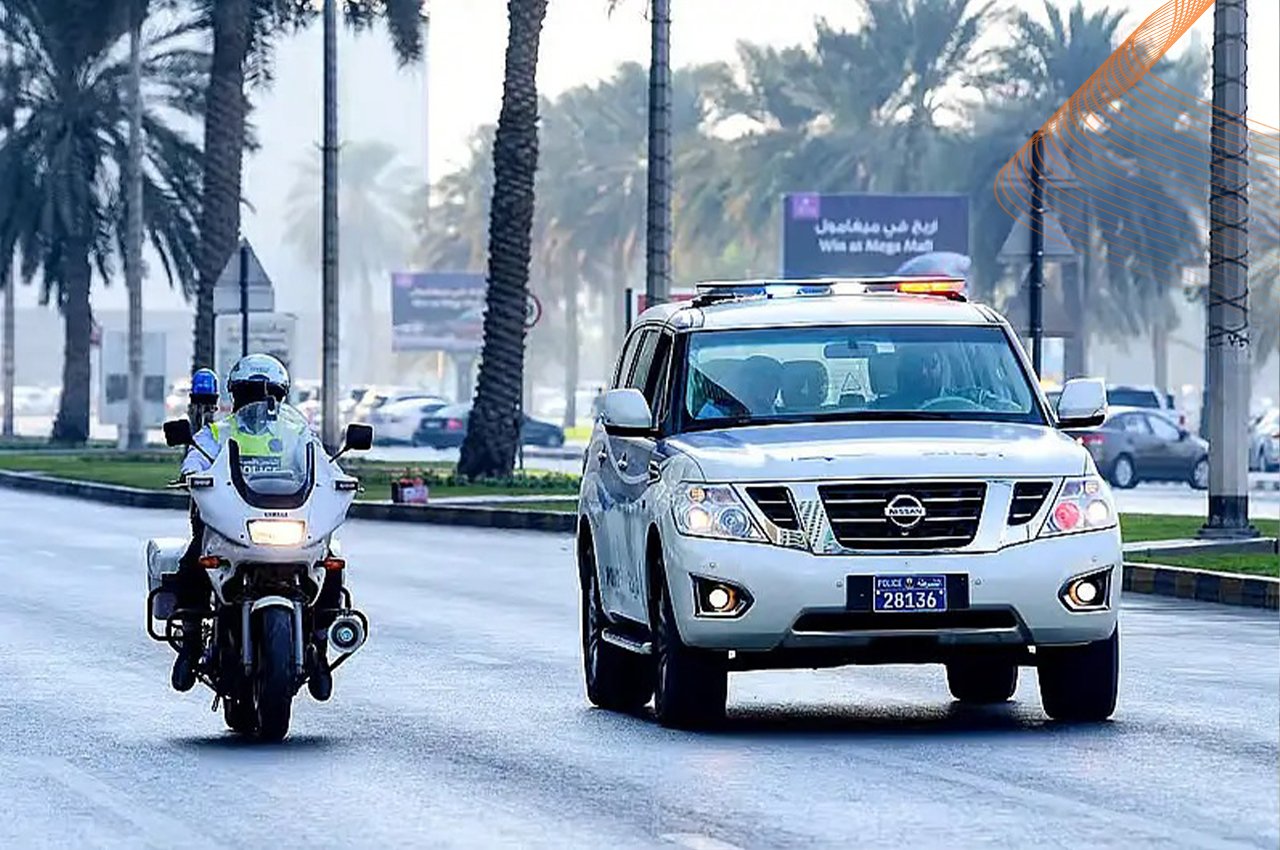
In the event of an uncontrolled release of petroleum or a chemical odor being detected in a residential neighborhood, public safety officials swiftly mobilize to assess infrastructure safety and provide information to families. The recent reports across the UAE of the presence of a persistent smell have left many people with questions on how to respond in case of an emergency, and answers to their air quality and home safety questions can be found in the Sharjah Police safety update 2026.
Knowing what to expect from regional response teams in the event of an airborne odor alert will help to keep your household prepared, calm and protected throughout the Emirates.
Understanding the Sharjah Police Safety Update 2026
At unusual weather phenomena, the municipal and public security commands make field surveys in commercial centers, industrial areas and residential areas. The Sharjah Police safety update 2026 is mainly about mobilizing Civil Defense teams along with specific monitoring teams to locate the source of any widespread odors found in the air, while also assuring the community.
High-density regions such as Al Nahda Sharjah, Muwaileh Sharjah, Industrial Areas, Al Qasimia and Rolla were inspected by emergency response teams to carry out air pressure tests, checking supply lines, and conducting industrial emissions audits. The government has officially reported that there are no issues with main infrastructure and it is being monitored at all times to ensure the public health is maintained.
Residents are able to easily contact key services during any alert. In case of an emergency, dial Sharjah Police at 999 or 901 for non-emergency enquiries. Call Sharjah Civil Defense (997), SEWA emergency dispatch (991) or national gas dispatch services (800 6274).
What Causes Widespread Gas & Fuel Odors in the UAE?
A sudden smell of petroleum outdoors may be alarming, but often the answer to this can be found from local environmental factors throughout the Northern Emirates.
Temperature Inversions and Weather Patterns
The most common cause of high gas odour complaints in the UAE is due to temperature inversion in the atmosphere. In the transition seasons, the cold ground air is trapped under a layer of warm air above. Since industrial vapors, maritime emissions or fuel tank venting can’t rise and disperse to the upper reaches of the atmosphere, they can be carried low to the ground by coastal breezes through residential areas.
Industrial and Shipping Activity
Vital industrial complexes and bustling maritime trade lines lie close to main urban centers. Certain operations such as purging a ship’s tank, offloading fuel or other routine plant maintenance events can release small amounts of the harmless sulfur-containing chemical called mercaptan, which is added to naturally odorless gas. Weather inversions, when the wind blows inland, can allow for the diffusion of very small amounts of chemicals to create a strong odor over large urban areas.
Essential Safety Steps If You Smell Gas Near Home
Typically, community-wide odors are not harmful and are a result of benign ambient conditions, but any community-wide odor that is noticed within one’s private property should be investigated until it has been determined that it is safe.
Interior Precautionary Measures
Switch off any lights or appliances and get everyone out of the house if you discover gas leaks. Avoid turning on and off the light switch, using household electronics or adjusting the air conditioner as there are small electrical contacts inside the switch that can spark. If the odor is more pronounced indoors than out, open doors and windows to air out the house. If the smell is strong, specific or accompanied by a hissing noise, put all household members into shelter and leave the house, then call Civil Defence 997 or Police 999.
Exterior Community Odors
If a smell is the same in the outdoor spaces, shut windows and switch the air conditioning to the internal recirculation mode to prevent outside air from entering the home. Use official police channels to post public notices and dial 901 to get non-emergency advice.
Neighborhood Safety Tips Across Sharjah
Each residential area in Sharjah has a unique utility set up, and during a safety alert different habits are observed.
High-Rise Apartments (Al Nahda, Al Qasimia, Rolla)
Al Nahda, Al Qasimia and Rolla towers are fed with piped central natural gas or ground level LPG banks. Residents should know where the main apartment gas shutoff is (usually located in kitchen cabinets near the meter) and make sure that building management arranges for a yearly safety audit of the supply lines.
Mixed Residential Areas (Muwaileh & Suburban Villas)
Most villas and adjacent areas in Muwaileh frequently rely on both standalone gas cylinders and central networks. Store cylinders upright in properly ventilated outdoor cabinets; replace rubber connection hoses every two years; inspect joints frequently with soapy water to look for micro-leaks.
Commercial & Industrial Zones
Active fuel storage and manufacturing is handled by buildings around IAs 1 – 18. In these sites, maintenance staff should routinely check ventilation systems and use HVAC equipment in internal recirculation during times of general odor alarms.
Frequently Asked Questions (FAQs)
Q1. What causes widespread fuel or gas odors in Sharjah?
A1. Odors typically occur when weather inversions trap maritime emissions from ships or offshore emissions are vented or when regular industrial maintenance work takes place close to the ground and regional winds blow across neighborhoods.
Q2. How do I tell if a gas smell is from my home or outside?
A2. Go outside your building to fresh air. If it is easily discerned that the smell is stronger in your home than outside, then shut off the main gas valve, open windows, stay away from switches and contact emergency services. If the odor is comparable throughout the outdoor area, it is caused by a condition in the air that permeates the entire community.
Q3. Is the current fuel scent dangerous to breathe?
A3. Current official police reports state that monitored smells in the atmosphere during these events are not an active chemical hazard to public health. Respiratory sensitive or asthmatic individuals should remain indoors with windows closed until the air clears up.
Q4. Who should I call to report a gas smell in Sharjah?
A4. In case of emergencies or suspected leaks, please contact Sharjah Civil Defense (997) or Sharjah Police (999). Call the non-emergency helpline (901.) for general status checks or updates.
Stay Informed with Dubai Key Insights
Good information is the first step in protecting your family. Keeping you up to date with live reports on public advices, municipal safety alerts and regional news on the UAE.
Be sure to bookmark our website and sign up for our newsletter where we will provide you with authentic information about living guides and public security alerts in Sharjah, Dubai and throughout the Emirates.
Follow Dubai Key Insights for more news.