




 has released updated guidelines on asthma prevention and management. Learn about the latest medical protocols, environmental triggers, and expert advice to improve respiratory health in Dubai.)
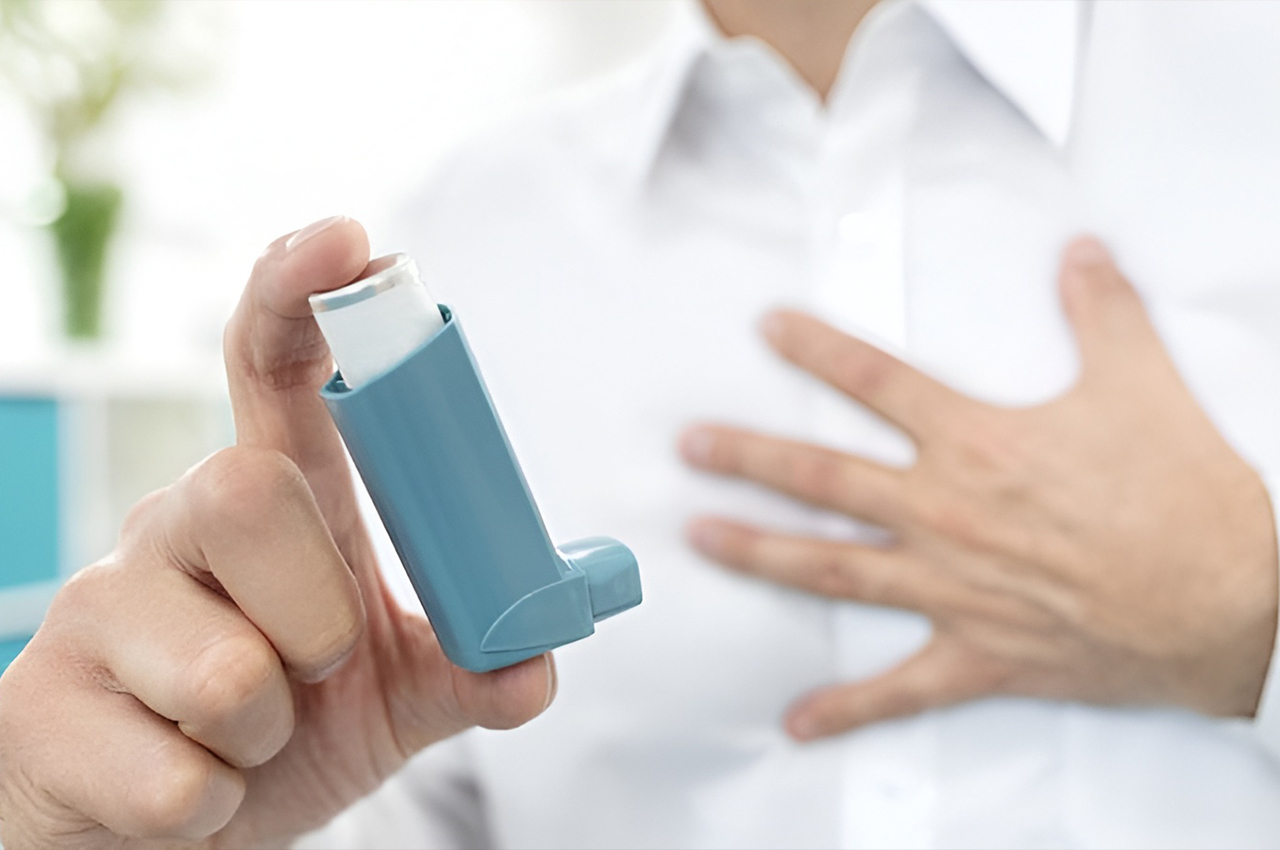
Dubai Health Authority (DHA) has set new and complete guidelines for asthma prevention by emphasizing early diagnosis, environmental control, and asthma education. An improved framework is designed to lower the incidence of asthma, optimize long-term care and ensure proper implementation of Dubai’s healthcare system in line with international best practices.
What are the key recommendations of the new guidelines for asthma prevention in Dubai?
The revised DHA guidelines are more preventive than merely treatable in nature.
The main principles of the new regulation:
- Early detection and diagnosis
- The screening of high-risk groups is carried out systematically.
- Increased access to primary care assessments
- Environmental risk reduction
- Solutions to dust, pollution and allergy in the interior environment
- Public awareness of air quality triggers (ozone, particulate matter and volatile organic compounds)
- The importance of patient education and self-management.
- Teaching proper inhaler use
- Promoting long-term treatment compliance
- Integrated healthcare response
- Consultation, liaison and integration with clinics, hospitals and specialists.
This is a change towards proactive healthcare – to prevent rather than treat an emergency situation.
Why is asthma prevention important in Dubai?
Asthma is a major public health problem in the UAE, and is related to environmental and lifestyle factors.
Key risk factors in Dubai:
- High levels of dust and sand exposure
- Seasonal humidity fluctuations
- Urban air pollution
- Dust mites, moulds etc. found indoors
Data from the region shows a significant proportion of children and adults in the UAE are suffering from asthma, and it is frequently underdiagnosed or poorly controlled.
The new DHA guidelines will strive to:
- Reduce hospital admissions
- Enhance patients’ well-being
- Reduce the long term health care costs.
What are the asthma prevention measures recommended?
The DHA guidelines detail concrete, daily strategies for people and families.
Prevention checklist:
Address indoor air quality
- Manage indoor air.
- Employ air purifiers, and regularly clean AC filters.
- Minimize exposure to dust and pet dander
Monitor outdoor conditions
- Reduce outdoor activities during days with high dust levels or days when pollution is high.
- Keep up to date with air quality alerts
Take medications as directed
- Ensure the use of preventive inhalers regularly
- Do not stop taking drugs because they are no longer causing symptoms
Identify personal triggers
- Smoke, strong perfumes and allergens are common triggers.
Regular medical check-ups
- Regular reviews allow for modifications in treatment and to avoid flare-ups
What are the changes and what will it mean for healthcare providers?
The new framework calls for the implementation of standardised protocols by healthcare providers in Dubai.
Key changes include:
- Improved asthma screening programs (more structured)
- Improved care provider training for primary care physicians
- Use of digital health records for monitoring patients
- Better public-private partnership between healthcare providers
This guarantees a uniformity of care in Dubai’s healthcare system.
How can schools and workplaces help prevent asthma?
The DHA guidelines do not only apply to hospitals, but also to community level prevention.
In schools:
- Monitoring children with asthma
- Avoid triggers to help ease symptoms.
- Training staff to deal with Asthma attacks
In workplaces:
- Clean air in the indoor environment
- Providing support for employees who have chronic illnesses.
- Encouraging health awareness programs
This more holistic approach captures Dubai’s emphasis on cross-sector integration of public health.
What are the similarities and differences between these guidelines and international ones?
The DHA’s new framework is in line with international best practice, such as recommendations from:
- Global management of asthma.
- Basic models for preventive health care in advanced systems
The emphasis on early intervention, education and environmental control reflects a global trend in chronic disease prevention.
Why this matters for residents in Dubai?
These guidelines are applicable to residents:
- Improved access to preventative services
- Minimized risk of a serious asthma attack.
- Better long-term health benefits
The UAE has a high prevalence of environmental triggers and proactive asthma management is no longer an option but a necessity.
What are the Dubai Asthma Prevention Guidelines?What is the definition of ‘Dubai Asthma Prevention Guidelines’?
1.What is the new in the DHA asthma guideline?
The guidelines are more geared to prevention, early detection and patient education than treatment.
2.What does screening for asthma entail?
Children, individuals with allergies and those who are exposed to dust or pollution should be screened regularly if they are considered at risk.
3.Is it possible to prevent asthma in Dubai’s context?
Although not always completely preventable, the management of triggers and medical advice can help to minimize symptoms and attacks.
4.Do schools have to adhere to these guidelines?
Schools are encouraged to put in place preventive measures and to be ready for any asthma-related emergencies.
Keep abreast of the latest developments with DKI.The UAE’s health care is quickly changing and it is becoming a priority to prevent diseases and illness.
Follow Dubai Key Insights (DKI) for clear and practical information about health policies, health risks and medical updates in Dubai, and make smarter health decisions.