





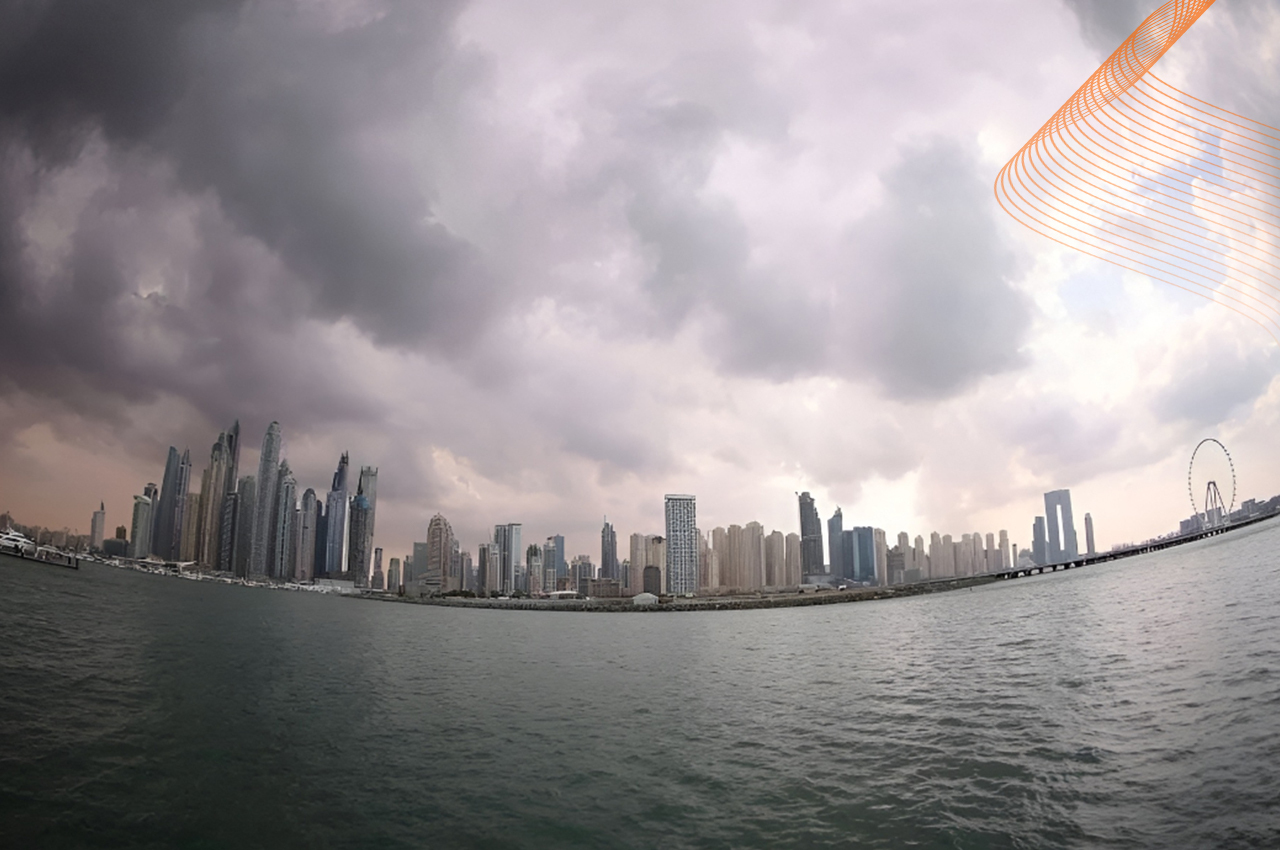
The UAE weather alert comes from the National Centre of Meteorology (NCM) today ahead of the onset of the summer season, reducing the high temperatures in the region. The weather of the country is now in the “Rawayeh” phase which has produced convective clouds, blowing dust and some isolated rain along the way. In the case of the need of an everyday driver or public transport users, it is essential to stay ahead of this Dubai storm warning to avoid major traffic jams.
Whether you are crossing between emirates on a daily basis or taking the Dubai Metro, knowing this UAE weather alert today will help you stay safe on your daily trip.
The NCM Weather Update UAE: What is Happening?
Weather in this region is now becoming unpredictable due to a change in the atmospheric pressure as per the latest NCM weather update UAE. The high temperatures in the deep inland are being matched by the high convective clouds, which are delivering the much needed rainfall.
The UAP weather warning pattern is dominating the month of June 2026 across the eastern and mountainous areas, such as Al Ain, Fujairah and Masafi. Localized heavy rain, thunderstorms and lightning over these areas.
In Dubai, the weather during daylight hours is mostly sunny, but the effects of this system in the region (high humidity, early morning mist and high winds) have a direct effect on the main coastal transport links. Strong winds peaking up to 45 km/h are stirring up sandstorms, severely dropping horizontal visibility on crucial highways.
Dubai Traffic Rain Alert: Effect on Important Travels
A traffic rain alert has been activated for roads in the periphery of Dubai and larger inter-emirate routes such as Sheikh Mohamed Bin Zayed Road (E311) and Emirates Road (E611).
Unless the rain stays confined to a specific area in Dubai, or heavy rainfall happens across the entire region, traffic patterns around the city change in an instant. Commuters need to be aware of the upcoming changes:
- Sudden Inbound Bottlenecks: Heavy rain in neighboring Al Ain and Sharjah causes commuter traffic inwards from these areas to slow down significantly. This leads to serious cascading effect on the main arterial roads in Dubai.
- Reduced Visibility from Dust: The strong northwesterly winds are blowing windy and raising large amounts of dust and sand. Dubai commute weather delays can often be a surprise for drivers, particularly on open desert roads where visibility is compromised.
- Morning Fog and Mist: Pockets of coastal fog and mist are occurring between 4:00 AM and 8:00 AM due to an overnight increase in humidity. This makes the roadways extremely slippery at the busiest morning commuting time of day.
Thunderstorm Warning: Travel and flight disruptions in UAE.
Today’s UAE weather alert does not just affect the roads. Localised thunderclouds producing active downburst winds, air travel and public transport infrastructure are increasing their safety measures.
Dubai Airport Flight Delay Weather
Dubai International Airport (DXB) is keeping a close watch on the pattern of storms in the region. The flight delay weather adjustments for temporary flight delay at Dubai airport are due to strong downburst winds and localized convective storms over the flight paths. Although there is little cancellation, if there is, incoming flights may go into holding patterns, or if there is a severe burst of wind in the ground operation, it may temporarily stop to ensure safety for the workers. It’s strongly recommended for the passengers to verify their flight status prior to heading to the terminal.
UAE Travel Advisory Weather
The UAE travel advisory weather notice has been issued by the authorities recommending residents of the state to reduce movement within the UAE towards the eastern valleys (wadis) and mountainous regions. In such types of terrain, flash floods occur in just a few minutes. If you are commuting to work everyday and you have to cross a valley or even mountainous borders then you should think about rescheduling any non-essential visits or using alternative coastal routes.
The Public Infrastructure includes Schools and Offices.
UAE authorities have kept the safety of its people at the top of their list during stormy news cycles in the UAE.
Dubai School Closure Weather
When a significant UAE flood warning or severe storm system is predicted to endanger students, the Knowledge and Human Development Authority (KHDA) will closely collaborate with Dubai Civil Defence. Schools may move to distance learning if it is decided that local streets are flooded and it is too dangerous to have students on the road. Parents must check official KHDA channels for any unexpected Dubai school closure weather alerts.
Remote Work Adaptations
During periods of heavy weather anomalies, many Dubai corporate entities implement remote working protocols, in line with their governments’ instructions. If you are traveling through high-risk, flood prone lowland areas each day, see if you can use work from home or other alternatives while the system clears.
How to Drive in Worsening Weather Conditions
If you simply need to go out on the roads while it’s raining in Dubai today or during heavy morning mist, here are some survival tips to keep you and your car safe:
- Double Your Following Distance: Wet or sand-slicked road surfaces have less traction. Double the regular distance from the car in front.
- Turn on Low-Beam Headlights: Do not use your flashers while driving when there is dust or rain. Drive using low beams to make yourself visible.
- No Standing Water: Deep puddles may cause the tires to lose traction with the road surface (hydroplaning) or they could cause the engine to stall.
- Manual Acceleration and Deceleration: Manual controls provide much greater feedback and control over unstable surfaces than cruise control.
Answers to common questions are provided in a Frequently Asked Questions (FAQ) section.
Q1. Which is the Rawayeh season in UAE?
A1. The Rawayeh season is a typical summer climatic event in UAE where high temperatures and moisture (sparse in the summer) are linked together to create the “rawayeh” or towering convective clouds. This gives rise to short duration and heavy intensities of afternoon showers and thunderstorms, mainly in the Hajar Mountains and the eastern areas.
Q2. What is the procedure to see if there is a Dubai commute weather delay alert?
A2. Official updates from the Dubai Roads and Transport Authority (RTA) on social media, live Google Map traffic layers and local radio bulletins while on the road are the most effective methods for tracking real-time delays.
Q3. Will the Dubai Metro be closed during a storm?
A3. Dubai Metro can handle extreme temperatures and moderate rainfall. The metro system does not typically closed, but some stations above ground could be slightly delayed or closed to entry if surrounding walkways are flooded.
Q4. If my flight is delayed due to weather conditions at Dubai airport, what should I do?
A4. Before travelling check flight status directly through the airline’s official app or Dubai Airport website. If you have to wait a long time, talk to your airline directly instead of waiting in line at the airport.
Keep yourself safe and connected on the way to work
There can be unexpected changes in the weather during the summer and a simple drive can become a stressful experience. If a sudden downburst or dust storm occurs, don’t disrupt your plans or jeopardize your safety.
To keep up to date with the UAE’s infrastructure, travel tips and breaking news from around the region, subscribe to Dubai Key Insights now. Become familiar with the facts, plan ahead and drive safely.