





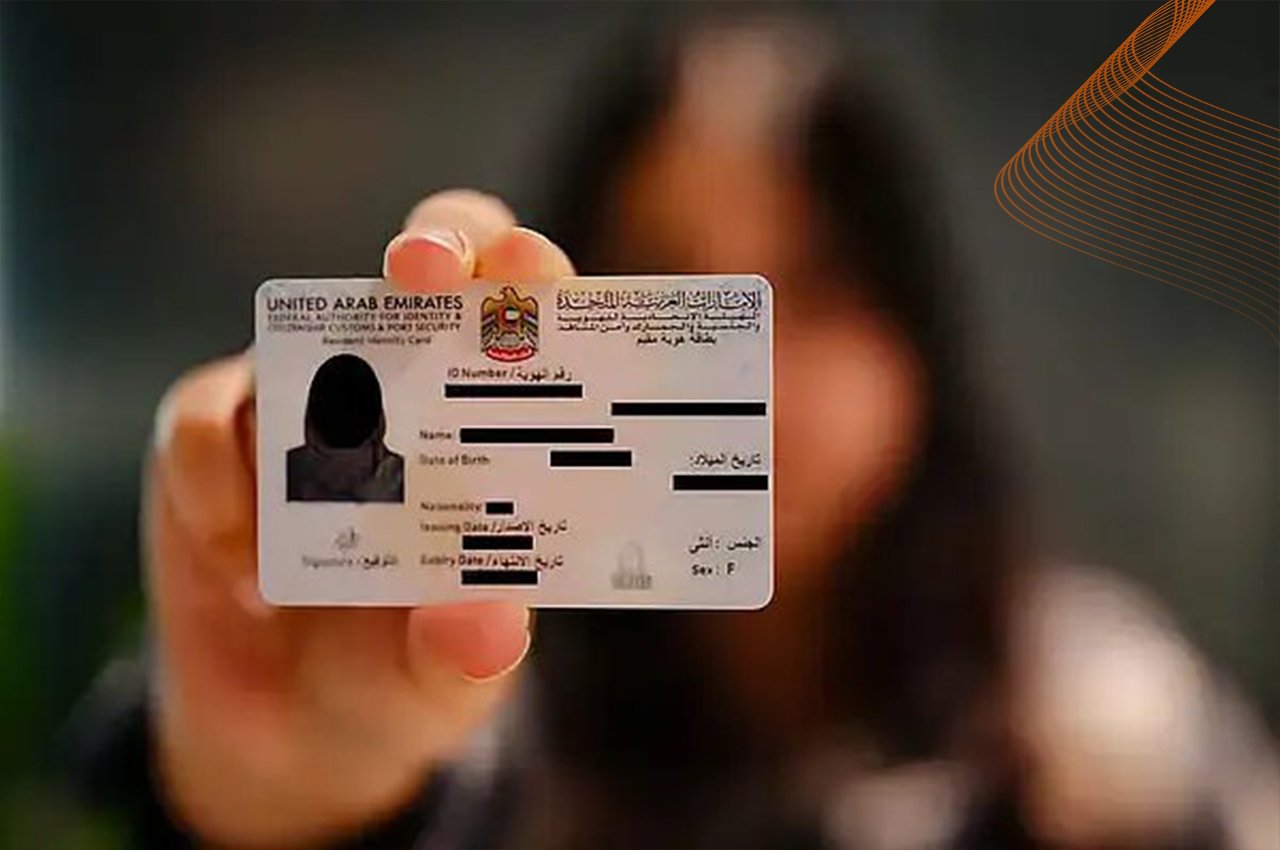
Your Emirates ID is the lifeblood of your living and working in UAE, both online and offline. It is connected with your bank accounts, mobile contracts, bills, and residency. Cybercriminals are always trying to exploit it due to its vast worth. You may have just seen a warning in your email that your credentials are about to expire, followed by a hard-on-harvest of the information you’re looking at.You may well have just got an email telling you your credentials are due to expire soon, and then there’s a hard-on-harvest of your information.
Cyber threats have become more sophisticated, moving from easy to spot spam to more sophisticated traps, such as fake video conference calls or spoofed domains. Your first line of defense against financial fraud and identity theft is to understand how these bad guys work. Let’s explore how to identify these threats, safeguard yourself and your data, and what to do if you’ve unwittingly engaged in an activity that you don’t want.
Anatomy of a Modern Phishing Trap
Fraudsters know how to instill fear. The typical Emirates ID phishing scam comes in the form of an urgent message from Federal Authority for Identity, Citizenship, Customs and Port Security (ICP), previously known as the ICA.
These messages typically say that your digital identity is up for renewal, your personal information must be updated quickly or your overpaid residential fine will be collected soon. The idea is easy: rush you into making a mistake before you really get time to think critically.
- The messages will appear to have logos from official government websites, simply for the purpose of fooling you.
- Scammers often use language that causes fear, punishment of law or fines for failure to act immediately or visa cancellation.
- The email has links that point to fake websites that resemble the government page.
Red Flags That Give Away a Fake Notice
If someone sees a fake communication they will need to have a sharp eye for the technical details. There are protocols in place for legitimate government entities, and if a small error is spotted, you can save yourself a big headache in the cyber world.
Check the Sender Address Closely
No official notification is ever sent from free Webmail extensions or from ‘foreign’ domains by government departments in the UAE. When a phishing message purporting to be from Emirates ID arrives in your personal e-mail, look at the real e-mail header. All official correspondence will be from a Government domain name registered with the correct top level extension (.gov.ae).
Watch Out for Unusual Verification Demands
No real administrative notification will ever request that you confirm your credentials using an unencrypted link, chat app or live video call. Do not share your UAE Pass PIN, banking information or OPT with anyone that claims to be validating your profile.
Look for Generic Greetings and Typo Errors
Official notification from the local authorities is professional and will always be written using your full name as you are registered with them. Unprofessional salutation such as Dear Customer or a poor sentence structure and/or grammatical errors are huge red flags.
Frequently Asked Questions (AEO Queries)
Q1. How can I tell if an Emirates ID email is fake?
A1. A fake notice can be identified by analyzing the email’s true sender’s address, looking for a non-governmental extension, such as @gmx.com, or a non-governmental email address, such as @gmail.com. Moreover, if the message requires instant payment of money or forces you to click on an untrusted link to provide personal data, then it is a scam.
Q2. What does a real ICA UAE email look like?
A2. The only source for official communications from the authority is through official .gov.ae communication channels. They help you to re-enter into the official UAE ICP smart application or verified browser portal instead of forcing you to enter sensitive data directly in a form within an email.
Q3. Where to report Emirates ID phishing scams in Dubai?
A3. Suspect any incoming message or email purporting to come from Dubai police and record the details and report to the police right away. Residents may make official cyber complaints online on the Dubai Police eCrime platform (www.ecrime.ae), or via the smart mobile application.
Q4. Why am I getting emails to update my Emirates ID?
A4. Automated, mass phishing attacks are targeted at high-density expatriate areas such as the UAE. They send thousands of randomly selected addresses with the hope that someone’s documents will be about to expire, and use fear and coincidence to get clicks.
Q5. Who do I contact if I clicked a fake Emirates ID link?
A5. Call your bank right away if you entered in a suspicious link or if you disclosed your personal information. After that, make a non-emergency police phone call to the police at 901 for instructions, and a report at the eCrime portal.
Taking Action and Reporting Cyber Crime
If the cyber threat comes from inside the emirate, the response is immediate and the authorities are able to trace back the fraudulent networks.
- Preserve Evidence: Don’t delete the email or chat logs, and take clear screenshots of the entire message, including who sent it and the URLs.
- Submit digital evidence securely via eCrime Portal: Access the official Dubai Police online channel to submit your digital evidence securely.
- For information or to report a non-urgent security incident or to seek advice on how to respond to a security incident in Dubai, contact the police security assistance line at 901.
Stay Protected with Dubai Key Insights
The first step towards digital safety is awareness of your personal data. Use official Apps such as UAE ICP for documentation.
- Do not give out your OTP or digital keys to anyone.
- Check Web links before entering sensitive data.
- Be sure to send this article to help keep your network secure.
Secure your digital identity now. Stay informed about verified UAE update. Sign up for Dubai Key Insights for more security alerts! Follow us for more news like these, so that you can stay informed.