





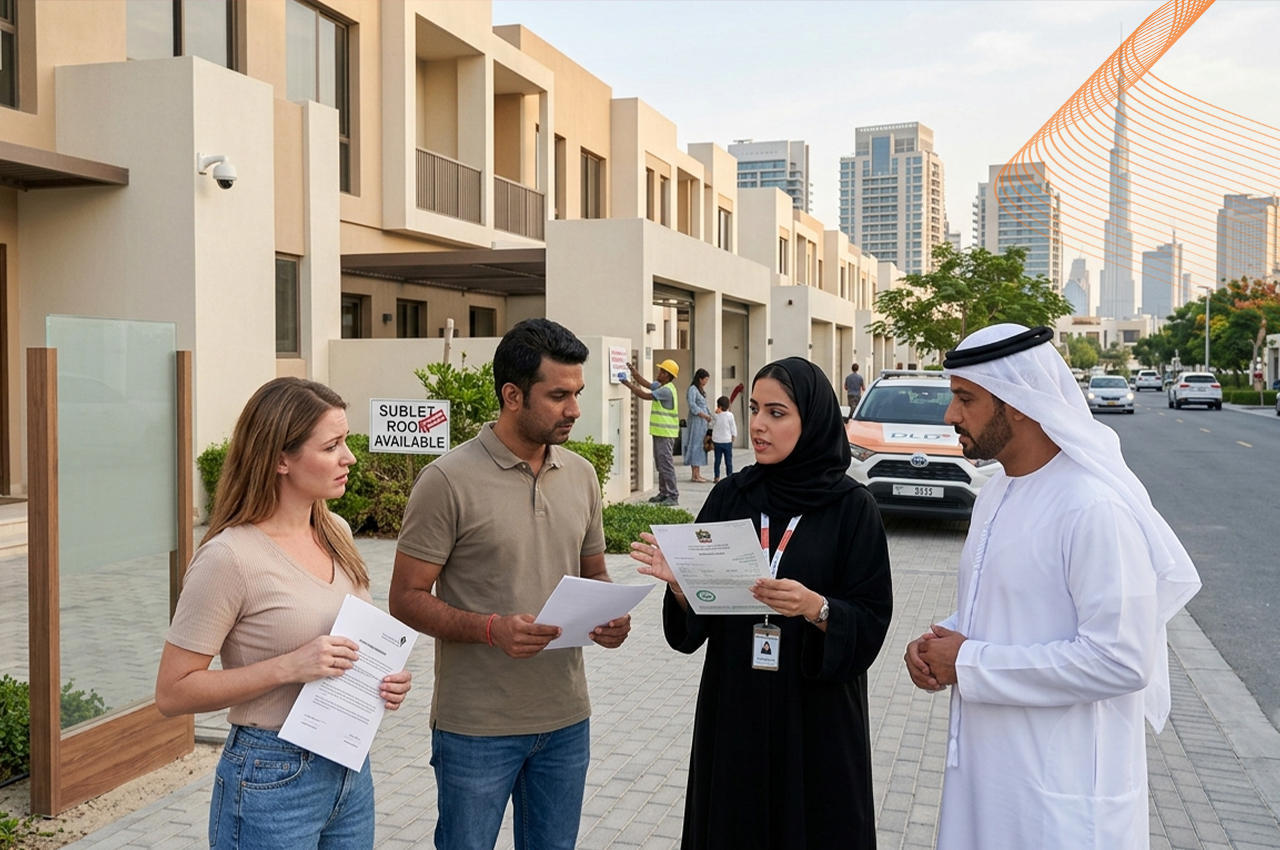
Understanding the New Landscape of Dubai Shared Housing Law 2026
The Dubai rental market has always been fast, as it has to be, to accommodate professionals, entrepreneurs, and families coming from all over the world. The cost factor was still a major consideration for many of the new arrivals and flat-shares and bed-space rentals became part of urban living. Authorities did, however, have to implement major changes in regulations due to informal arrangements, significant overcrowding, and unstamped partitions in the buildings.
Now, however, comes Dubai Law No 4 of 2026, the groundbreaking law aimed at revolutionising the management of shared spaces throughout Dubai. This is slated to be made official in the Dubai housing law effective date in August 2026 and will serve to safeguard tenants, raise the standard of living and put a stop to rogue operators. As a property owner, a tenant living in an apartment with colleagues or just simply a curious person who wants to know whether or not it’s legal to rent out the apartment in Dubai, these rules are important to know to avoid the harsh consequences.
Key Pillars of Dubai Law No 4 of 2026
The law sets out a clear and transparent framework for shared housing, while providing a clear distinction between shared housing and overcrowding.
The primary goals of the regulation are to remove the overcrowding in homes and provide adequate square footage, which will provide residents with healthy and humane living conditions. It also focuses on consistency throughout its safety measures, including health, fire safety, sanitation and electrical safety procedures in all the shared units. Lastly, it establishes the market by centralizing the rental of informal rooms in a single digital monitoring system, under the control of the local authorities.
The law isn’t a ban on roommates or friends living together; as the rumors would have it, it is not. Your lifestyle is safe if you live with co-workers or family members under a legal and regular agreement, as long as you continue to adhere to the agreement.
Subletting Rules and Tenant Responsibilities
The tenant-led leasing practices, one of the most discussed areas of the new framework, is built on this concept.It is around this concept that the tenant-led leasing practice is built one of the most discussed aspects of the new framework. Historically many of the households lived in large multi-bedroom units and rented out additional rooms to pay bills, thereby earning a living. As per the revised subletting policies Dubai tenants 2026, the subletting practice is subject to strict regulations.
Can Tenants Sublet in Dubai?
This depends on it being a legal situation and on their giving explicit written consent. Dubai apartment sharing laws prohibit all regular tenants from being part of a commercial arrangement to sublet individual rooms or bed spaces.
Any use of part of the leased property without written consent of the owner is a direct violation of the tenant’s agreement to lease the property. Only the property owner, a licensed real estate management company or a corporation leasing the master property is legally allowed to run shared housing units. If you’re a tenant who wants to know if tenants can sublet in Dubai 2026, it’s essential to check your tenancy agreement to ensure that you do not provide an unlicensed commercial bed space.
Issues permits, registers and ensures structural compliance.Issues permits, registers and ensures structural compliance.
The government has introduced registration obligations that property owners and management companies have to comply with to add complete transparency.
The Dubai Municipality Shared Housing Permit
No Property can run a shared housing without having a Shared housing permit from Dubai Municipality. The Dubai Land Department’s shared housing register is used in the process of securing this document, requiring intensive checks to monitor occupancy and the leasing chain transparently.
The days of putting up makeshift wooden or plastic dividers to accommodate as many people as possible in the living room are long gone. The partition ban Dubai apartments 2026 guarantees that all spaces are built according to the right architectural guidelines. Units have to meet a minimum area in which they have to be habitable per person, generally 5 square meters per person, excluding any balconies or utility areas. The Dubai shared housing permit application 2026 implementation timeline has been provided to allow property owners/operators to prepare for changes to their assets, ensuring a seamless transition for existing and valid setups.
Breaking Down the Penalties: Fines up to AED 1 Million
The mechanisms of enforcement of the legislation are strong to ensure compliance. Small administrative mistakes result in rather light warnings, while serious and frequent transgressions result in eye watering financial penalties.
Understanding the Fine Structure
Occupancies and minor paperwork delays or miscalculations can start at about AED 500. Penalties for standard and serious violations range from AED 5,000 to AED 500,000 and include being found operating a shared unit without a permit, failing to register on electronic portals, and installation of illegal room partitions.
Dubai’s housing penalty of AED 1 million is reserved for those who have breached the law more than once in a one-year period after receiving prior warnings and court orders. In addition to economic fines, the authorities can also temporarily suspend the functioning of the establishment, revoke municipal permits, cancel commercial licenses, cut off public utilities and carry out immediate eviction of tenants from unsafe premises for up to six months.
Frequently Asked Questions (FAQs)
Q1. What is the primary purpose of Dubai Law No 4 of 2026?
A1. The law seeks to manage communal areas and improve public health and safety, to stop dangerous overcrowding and to set out clear operational limits for property owners and management companies.
Q2. Does the new law mean I can no longer live with roommates?
A2. No. Family members, friends, or co-workers may reside together provided they do not violate the occupancy limits, building codes, or are not engaged in unlawful commercial subletting.
Q3. Who is legally allowed to rent out shared bed spaces or rooms?
A3. Shared housing can only be provided by a property owner or a licensed organisation that has a licence to provide management and letting services on their behalf. This is not allowed for regular tenants.
Q4. What happens if an apartment is found to be illegally partitioned?
A4. Illegal partitions are in contravention of building codes and safety standards. Hefty fines up to AED 500,000 are imposed on operators and owners for serious violations with penalties such as a ban on the use of a utility and immediate eviction notices.
Protect Your Investment and Living Space Today
In Dubai’s dynamic real estate landscape, strict compliance with the most up-to-date regulatory requirements is essential. From expanding a property portfolio to finding your next residence, legal compliance is key to ensuring peace of mind and stability.
Do it now, visit Dubai Municipality’s official websites to check on the registration requirements and guidelines, or talk to a licensed real estate professional so that your joint accommodation can be fully compliant before it becomes too busy. Make sure you’re secure tomorrow, in Dubai.
Follow Dubai Key Insights for more news.