





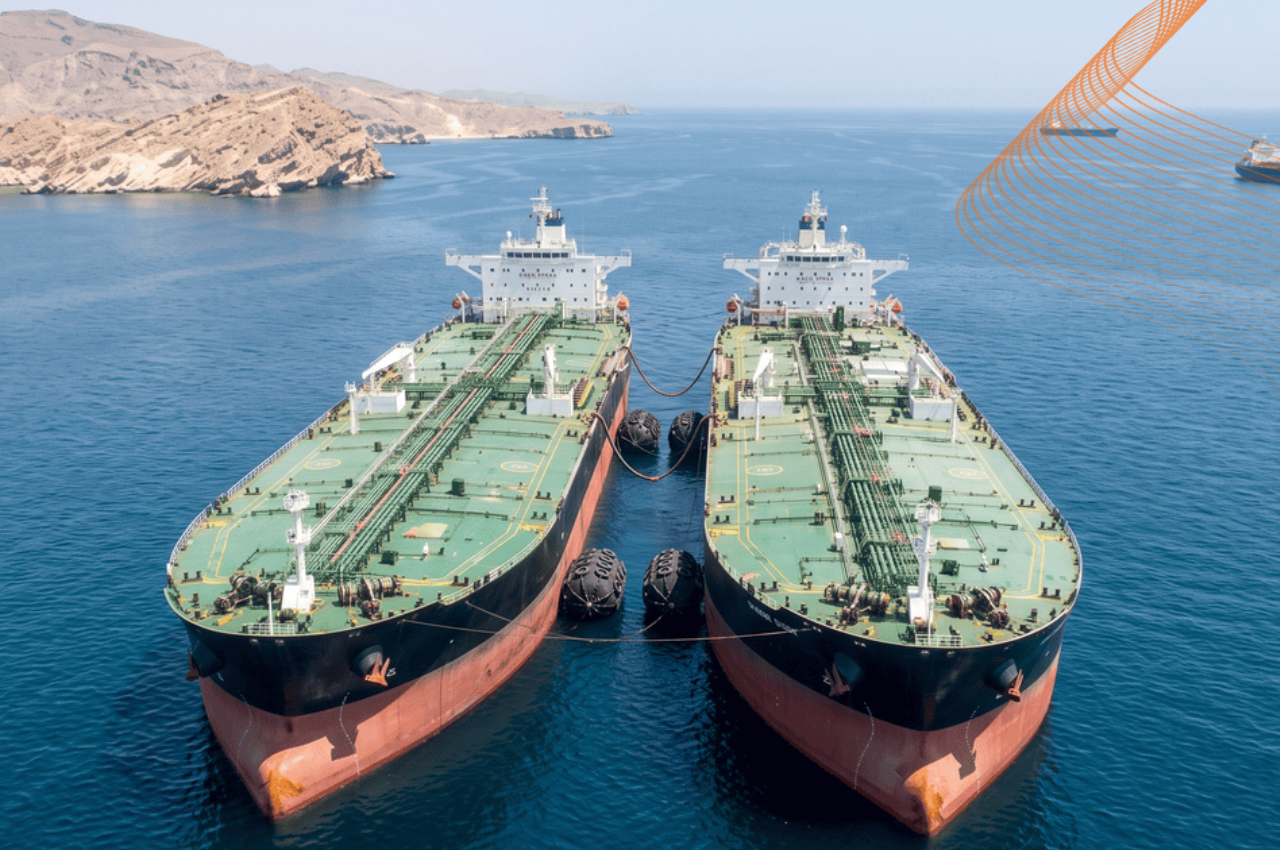
The Middle East is a shifting landscape of energy logistics, and its geographies are transforming quietly and at high stakes, changing the route of crude to the world markets. If you have followed international commodity flows in recent years, you will have observed a massive shift in operations – right outside the busy chokepepins of the Persian Gulf. The ship-to-ship transfer of oil has become a swift solution to a logistical headache and a lifeline to the economy for the big boys of oil. Energy exporters, charterers and shipping syndicates are rethinking traditional shipping lanes on a permanent basis as geopolitical rivalries ratchet up around the critical shipping lanes.
The New Realities of Gulf Maritime Trade
A basic rule has been followed for many years in the Middle East for transporting crude oil – fill a Very Large Crude Carrier in the Persian Gulf and proceed directly to Asian and European destinations without stopping in the Middle East. With skyrocketing insurance costs, security risks, and continued supply chain delays, that direct path route is now a more and more expensive and risky bet. The volatile situation has put the oil transfer activities of that trade route on the global agenda. Large producers are moving certain logistical operations away from the duo of close regional corridors and risky operations to more secure deep-water locations within the Omani coastline, in order to avoid jeopardizing billion dollar resources and crews. Protecting critical fleets from direct exposure to high-tension zones while maintaining high export volumes on heavy fleets without 100 percent dependence on land-based pipelines is made possible by keeping mega-tankers away from these areas.
Concurrently, the structural change will help resolve the general issues of delivering crude oil through sea lanes from the Middle East. Energy markets around the world work on thin margins and any upset can result in significant price spikes. Long-haul voyages can be broken up into shorter distances using open water areas close to the Gulf of Oman, thereby allowing traders to carry out their trading operations. Smaller shuttles collect from individual terminals in the region and large, specially designed ships lie safely offshore awaiting for large parcels. This division of the responsibilities maximises the use of the fleet and provides a steady flow of feedstock to Asian and other downstream refiners in spite of uncertainties in the area.
Why Is Ship-to-Ship Transfer Used in Oil Trade?
The mechanics of modern maritime economics and asset management provide a good context for comprehending the popularity of offshore hand-offs. Ship-to-ship transfer is the direct transfer of crude oil or refined products from one floating vessel to another, both of which are anchored or floating side-by-side in deep water. For national oil companies and independent traders, this approach addresses a fairly narrow conundrum in the region today. It offers a flexible solution for the transfer of custody and ownership of multi-million barrel cargoes without the need for both the giant vessels to dock to physical port infrastructure which is often clogged or under strict port control by local authorities.
In addition, offshore transfers provide a mobile ‘floating bridge’ between limited regional waters and the expansive international market, allowing trade to continue when it suffers a blockage. In the event of a pipeline incident or escalation of security risk, charterers can switch parcel flows to open water meeting points. This flexibility helps to avoid complete commercial paralysis and offers a dynamic relief valve for the supply chains, which otherwise would cease to move in the face of rigid infrastructure.
Inside the Oman and Fujairah Energy Hub Operations
The recent news in Oman about oil tankers in its ports has captured the attention of how the coastal areas near the port of Sohar and the neighboring port of Fujairah in the United Arab Emirates have become vibrant high volume maritime logistics parks. These international waters are often home to dozens of huge tankers, logging hundreds and even millions of barrels of crude in a few hours for the tracking companies and the port officials. Oman crude oil exports data shows that the country’s national producers are using unconventional movement methods like floating storage as part of a strategy to support record exports volumes.
Omani coastal waters serve as an ideal neutral transit zone for traders to easily update bills of lading, alter destination conditions, and reach international buyers with limited operational hassle. The floating terminal trend in the global oil tanker market is turning out to be a more than temporary solution to the need for offshore terminals, rather than a quick fix. While the sea fares may continue to shift and conditions in various areas remain shaky, shipping logistics will benefit from flexible zones for transferring as opposed to the one-stop, rigid pathway with little room for error.
Navigating Sanctions Compliance and Supply Chain Resilience
This increase in open-water transfer activity has also brought with it a great amount of regulatory, compliance, and international insurance underwriter scrutiny. Some regional producers have complex trade restrictions that market participants need to take care with every voyage. With Iran oil sanctions ship transfer workaround dynamics, compliance teams are facing extreme pressure to ensure that the precise origin, ownership chain and blending history of each barrel that transits through the Gulf of Oman is verified. Transparency is the highest denomination currency that non-sanctioned operators want to avoid binding themselves to sanctioned operators or prohibited “shadow fleet” ships.
Today, ensuring the resilience of the supply chain relies as much as on the competences of seafarers on the physical side as on the digital side. Advanced radar monitoring, automatic identification system (AIS) analytics and independent verification services are used to differentiate between legal commercial blending/lighting activities from illegal evasion. The authorities and maritime agencies in port continue to strengthen control, only to ensure that trade is not interrupted, but strictly implemented based on international maritime law and environmental safety standards.
Frequently Asked Questions
Q1. What are Oman ship-to-ship oil transfers?
A1. They are open water operations, where crude oil is pumped from one tanker to another off the coast of Oman, where traders can handle the custody of the cargo out of congested areas.
Q2. Why are energy companies shifting operations to the Gulf of Oman?
A2. Narrow regional corridors in which transit routes are important also suffer from increased security threats, premium insurance costs and congestion, forcing operators to look elsewhere for open-water logistics.
Q3. How do these transfers impact global oil supply chains?
A3. They ensure that there is no total gridlock and that export volumes can pass hands and get to international markets even during extreme disruptions in the main trade routes of the region.
Secure Your Edge in Global Energy Markets
In the fast-paced world of Middle Eastern logistics, constant monitoring, thorough data analysis, and foresight are essential. Avoid being caught off guard by changes in the industry.
Subscribe to Dubai Key Insights today for up to date information, exclusive maritime intelligence and comprehensive coverage of regional trade changes.
Let us know what you think about these shipping trends in comments below or to our editorial team about how they affect your portfolio.