





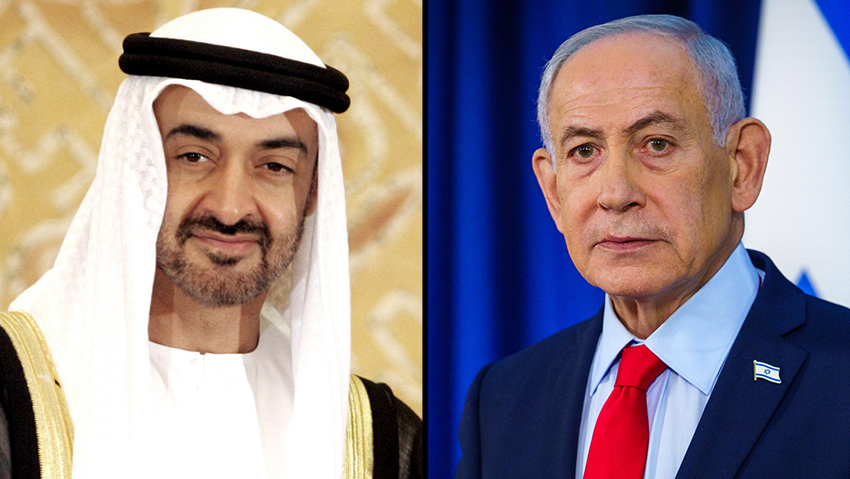
As any Middle East keen observer will be aware, news in the region can move at a frenzy. In recent times, the world looked to the Gulf, as the UAE announced Benjamin Netanyahu’s visit & high-level talks. This secret visit to Abu Dhabi has stirred up a diplomatic furor, particularly since the Israeli Prime Minister spoke at the United Nations General Assembly.
Residents, investors, and business leaders in areas such as Dubai need to have a clear understanding of the impact these diplomatic discussions will have on regional stability, trade and the overarching umbrella of the Abraham Accords. Let’s explore what really took place in this high-stakes summit, why it is so relevant in these times and how it will affect the future of the region in a new multipolar world.
The Backdrop: Unpacking the UAE-Israel High-Level Summit
There is constant ebb and flow in the Middle East’s diplomatic waters, with tension and strategic cooperation coexisting. The recent high-level meeting was a valuable opportunity for Israel and UAE leaders to meet and discuss their shared security architecture and bilateral opportunities.
Why the Timing Matters
An element of momentum carried over from the UNGA was also a significant factor; the UNGA preceded addresses by the national leaders at the UN, which were proof of the need for back-channel co-ordination between the regional stakeholders. Meanwhile, the security threats in the region arising from the changing dynamics in West Asia offer a good opportunity for both countries to converge on defense views and economic policies. Maintaining engagement is key, and both Abu Dhabi and Tel Aviv have focused on maintaining an open channel of communication in the face of regional instability and continuing humanitarian worries in surrounding territories, to avoid miscalculations.
Inside the Abu Dhabi Meetings: Core Discussion Points
Analysts pay attention to any high-level talks between UAE President Sheikh Mohamed bin Zayed Al Nahyan (MBZ) and Israeli Prime Minister Benjamin Netanyahu, as they are conducted in closed doors, because their outcomes facilitate the course of regional policy.
The talks were centered around two key points, according to official readouts from the Emirati Presidential Court and the Israeli Prime Minister’s Office. To boost bilateral ties in various economic, technological and strategic fields, which have quickly developed since the historic signing of the Abraham Accords. Second, in addressing the regional challenges, in terms of addressing joint security threats, maritime stability and coordinated diplomatic approaches to address wider security challenges across the Middle East.
Local and foreign media have reported on various other discussions in connection to this, such as sharing intelligence, technological aid in the defense sector, and warnings given by diplomats, but the official message has been one of a commitment to regional pragmatism, economic opportunities, and diplomatic strength.
The Abraham Accords Framework: Resilience Amid Regional Stress
The long-term success of the Abraham Accords is one of the most important institutional changes in the modern history of the Middle East. It has been through several geopolitical hurdles since normalization began, thus testing the durability of institutions in the form of diplomacy established in the aftermath of evolving regional priorities.
The key issues of this approach are based on economic exchanges and innovations cooperation, strategic intelligence and regional security channels and diplomatic connections with Western partners, mainly Washington. But, as others point out, the relationship benefits the UAE with a regional influence tool and benefits Israel with a solid anchor in the Gulf. But with political tensions that may sometimes arise, whether from conflicting views on local autonomy, or from humanitarian emergencies, the institutional structure established under the Accords does not close off all lines of communication.
Economic and Trade Implications for Dubai and Beyond
Diplomatic stability equates to economic confidence for business professionals outside UAE. Normalisation of ties has unleashed millions of dollars of cross-border investments in technology, artificial intelligence, renewable energy, tourism and logistics, reshaping the commercial landscape of the whole Gulf Cooperation Council (GCC).
The level of cooperation in cybersecurity, artificial intelligence and agritech is rising, with the shared vision of a post-oil knowledge economy. In the interim, the direct flight routes have brought regional travel back into fashion, making Dubai and Abu Dhabi the nexus for international business, venture capital and cross-border tech talent. Foreign Direct Investment frameworks are extremely resilient, despite the occasional geopolitical headlines, with the UAE being an economic neutral and progressive foreign policy approach.
Strategic Geopolitics and Multilateral Diplomacy in the Gulf
The bilateral trade and coordination in the immediate security domain is not the only area in which high-level visits of this nature are significant; they also indicate a new approach to Gulf states foreign policies. The UAE has always been a bridge for dialogue, even between adversaries, and has remained in a neutral space within the global system.
Abu Dhabi’s interactions with leaders in Israel and its intricate ties with regional partners such as Iran, Saudi Arabia and Turkey highlight a sophisticated approach to pragmatic diplomacy. Such a strategy will reduce the country’s weaknesses and increase its economic strengths, so it will continue to play an indispensable role in global trade, innovation and international mediation.
The Road Ahead: What to Expect from UAE-Israel Relations
In the coming years, relations between the UAE and Israel will continue to be shaped by institutional developments, not by the usual flurry of normalization moves. Both countries understand that partnerships on sustainable development must bring tangible benefits to the citizens, whether in terms of educational exchange, joint scientific research, medical advances or cultural initiatives for the preservation of the cultural heritage.
It is important for Dubai Key Insights readers to stay abreast of these changes. With supply chains, tech ecosystems and regional security structures changing constantly, the capacity to navigate the ever shifting geopolitical landscape will distinguish the winners from the rest. Diplomacy in the Middle East is a continuous, evolving process and must be nurtured.The summit in Abu Dhabi is a clear reflection that diplomacy in the Middle East is a continuous and evolving process and must be nurtured.
Frequently Asked Questions (FAQs)
Q1. What was the primary focus of the recent visit?
A1. The meetings were mainly aimed at enhancing bilateral ties between the UAE and Israel as well as tackling key regional issues and security coordination.
Q2. Are the UAE and Israel still strong allies?
A2. Yes. There are multiple factors behind the complex nature of the situation and conflicting views of individual geopolitical issues, but both countries have strong diplomatic, economic and strategic ties under the Abraham Accords.
Q3. How do these high-level talks impact business in Dubai?
A3. Such developments continue to promote long-term economic predictability, and further strengthen cross-border tech partnerships, tourist movements and institutional investments throughout the Emirates.
Q4. What role does the Abraham Accords framework play today?
A4. The Accords remain as the framework for “normalized” trade, technology and diplomatic relations between Israel and the Arab States signatories to the Accords.
Conclusion: Navigating the Future of Gulf Diplomacy
The high-level diplomatic contact highlights an important truth: In the modern art of politics, pragmatism can sometimes be more important than rhetoric. The UAE will continue to promote stability, economic growth and regional dialogue and its strategic partnerships will continue to play a pivotal role in its foreign policy. Being aware of these diplomatic gains and losses can enable investors, entrepreneurs, and expatriates to navigate the Middle East terrain more confidently and with clarity.
Looking to keep up with the changing landscape and trends in the region?
Learn more about Dubai with the Dubai Key Insights newsletter, which delivers weekly news, expert insights, and in-depth diving straight to your inbox.