





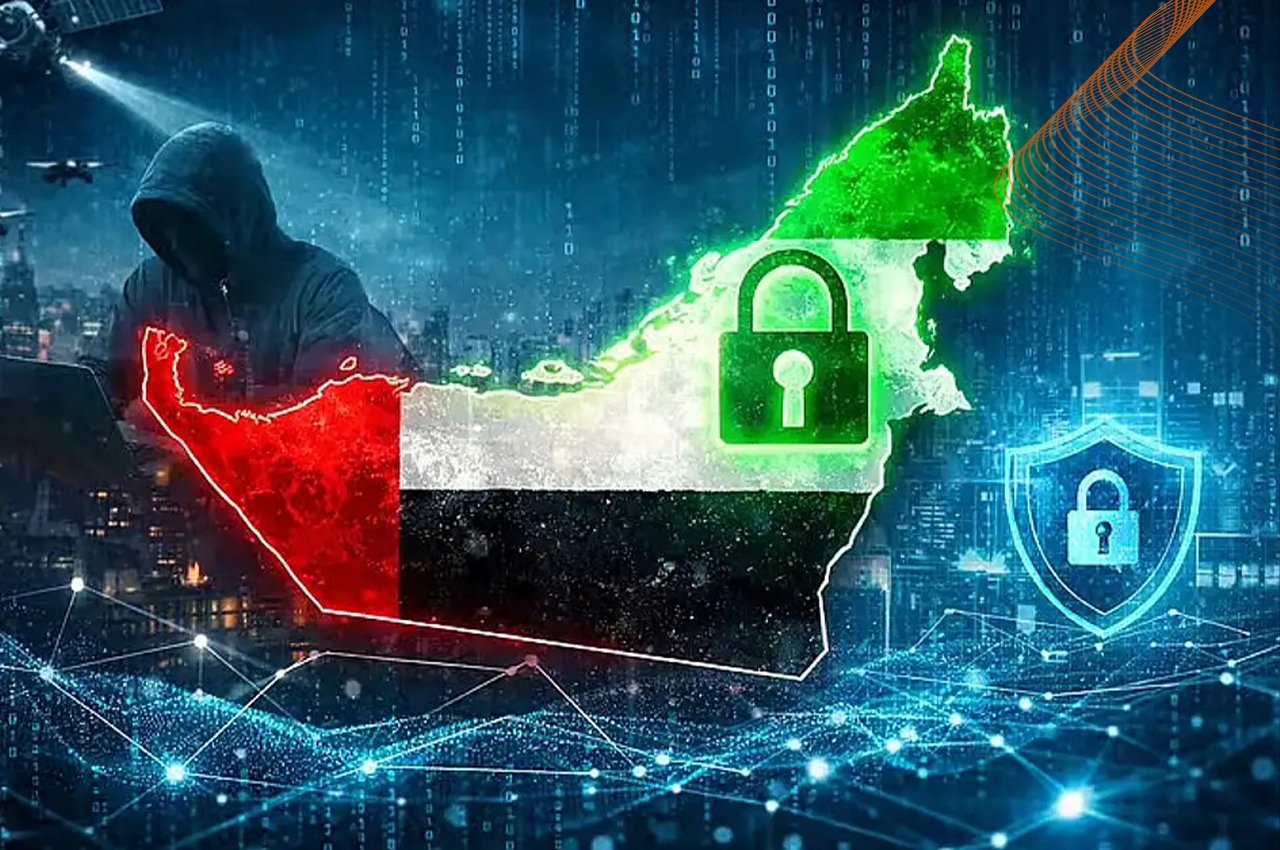
In the Emirates, digital transformation has transformed the modern medical care. Patients can book online, use mobile applications for diagnostics and in seconds, move patient records between emirates. The hyper-connected ecosystem has, however, ushered in some critical weaknesses. The fact that major security incidents such as the one that targeted the American Hospital Dubai have shown that digital clinical networks are easy targets for cyber criminals. The first step to securing critical medical infrastructure is to understand how threat actors operate.
The Anatomy of Modern Healthcare Security Threats
Medical institutions deal with a ton of sensitive information 24 hours a day and are a tempting target for international ransomware gangs. Cyber threat groups typically use advanced tactics to exploit corporate and clinical network systems, taking advantage of legacy software, unpatched servers, and even employees who don’t realize they are being exploited. The attackers once they are able to get into the perimeter defenses put malicious code in place that encrypts the primary databases and disrupts the operations of the hospital.
Security analysts say that today’s cyber attacks against healthcare systems in the UAE are not random. Instead, they are operations that are based on financial extortion or espionage and are calculated. The IT team’s patching efforts are being overwhelmed by an ever-growing attack surface as IoMT devices and cloud storage are increasingly incorporated into medical facilities.With an ever-expanding “attack surface,” the patching efforts required are overwhelming as IoMT devices and cloud storage become more and more integrated into medical facilities.
The Growing Vulnerability of Regional Clinical Networks
Digital health ecosystems are spreading across the Gulf, with the complexity of securing them on the rise. Health care networks use a combination of legacy equipment and the latest in cloud-based software, and these integration gaps are easily discovered by automated malware scanners. If the cyber gangs are targeting a clinic then they don’t only target locked patient files—they chart administrative servers and payroll records and third party vendors for greater leverage. The interdependence of the devices means that one vulnerable device can put an entire medical operation at risk.
The Shift Toward Double-Extortion Tactics
Computer terminals are not the only asset used by cyber criminal organizations in order to gain payments from healthcare providers. Rather, today’s syndicates use a more ruthless double-extortion tactic that entails swiping gigabytes of critical files before initiating the encryption process. Hospitals that refuse to pay ransom are targeted by the stolen data, which includes internal financial spreadsheets, confidential diagnostic records, and more, being systematically leaked on dark web leak blogs. The calculated pressure campaign leverages fears and strong regulations to create a crisis management situation for administrative leadership.
The Ripple Effect on Patient Trust and Care Continuity
The impact of a catastrophic network intrusion in a regional medical facility goes well past impacted databases. The clinical workflow comes to a standstill as doctors and nurses are forced to fall back to paper-based procedures, delaying treatments, lab tests and surgeries. This abrupt interruption to the fluid care continuum is a challenge to patients. Moreover, the public disclosure of intimate medical details erodes the trust in institutions, and patients are reluctant to provide detailed information in front of providers due to concerns about digital security and privacy.
Frequently Asked Questions
Q1. Who is behind the cyber attacks on hospitals in the UAE?
A1. Financial gain-driven cybercriminal groups and international ransomware groups are behind the attacks. For example, the Gunra ransomware collective has been targeting healthcare organisations in the region specifically to extort large ransoms through double-extortion attacks.
Q2. Why is patient medical data so valuable to hackers?
A2. Patient records include detailed personal information, such as Emirates ID numbers, billing histories, and sensitive clinical diagnostic data. In underground dark web forums, full medical identities are worth a lot more than standard credit card numbers, as they allow for the insurance fraud and long-term identity theft.
Q3. How does the Dubai Health Authority (DHA) protect patient data?
A3. The Dubai Health Authority, as well as other federal authorities such as the UAE Cyber Security Council, have strict rules and regulations and data protection laws. The guidelines include strong technical protection measures, notification obligations, and regular monitoring of networks to protect sensitive health information.
Q4. What are the consequences of a hospital data breach in Dubai?
A4. A successful hack can lead to significant downtime, breaches of patient privacy, and financial damages. In addition, under local privacy laws, organisations are open to stringent regulatory fines and legal action for breaching regulations if they do not take care to deploy effective technical controls.
Q5. How can UAE healthcare providers improve their network security?
A5. Clinics and hospitals need to embrace a zero-trust approach, implement two- or three-factor authentication for all administrative terminals, regularly educate employees on phishing awareness, and separate clinical networks from the standard enterprise IT networks.
Strengthening the Future of Clinical Defense
An active transformation from compliance to resilience is needed to secure the medical sector in the region. The importance of cybersecurity for hospital administrators cannot be overstated, as it should be seen as an integral part of patient care and not just a cost of doing business. UAE healthcare providers can effectively neutralize new digital threats and maintain trust in the system by investing in sophisticated threat intelligence, automated DLP solutions, and solid offline backup strategies.
Follow Dubai Key Insights for more news.