





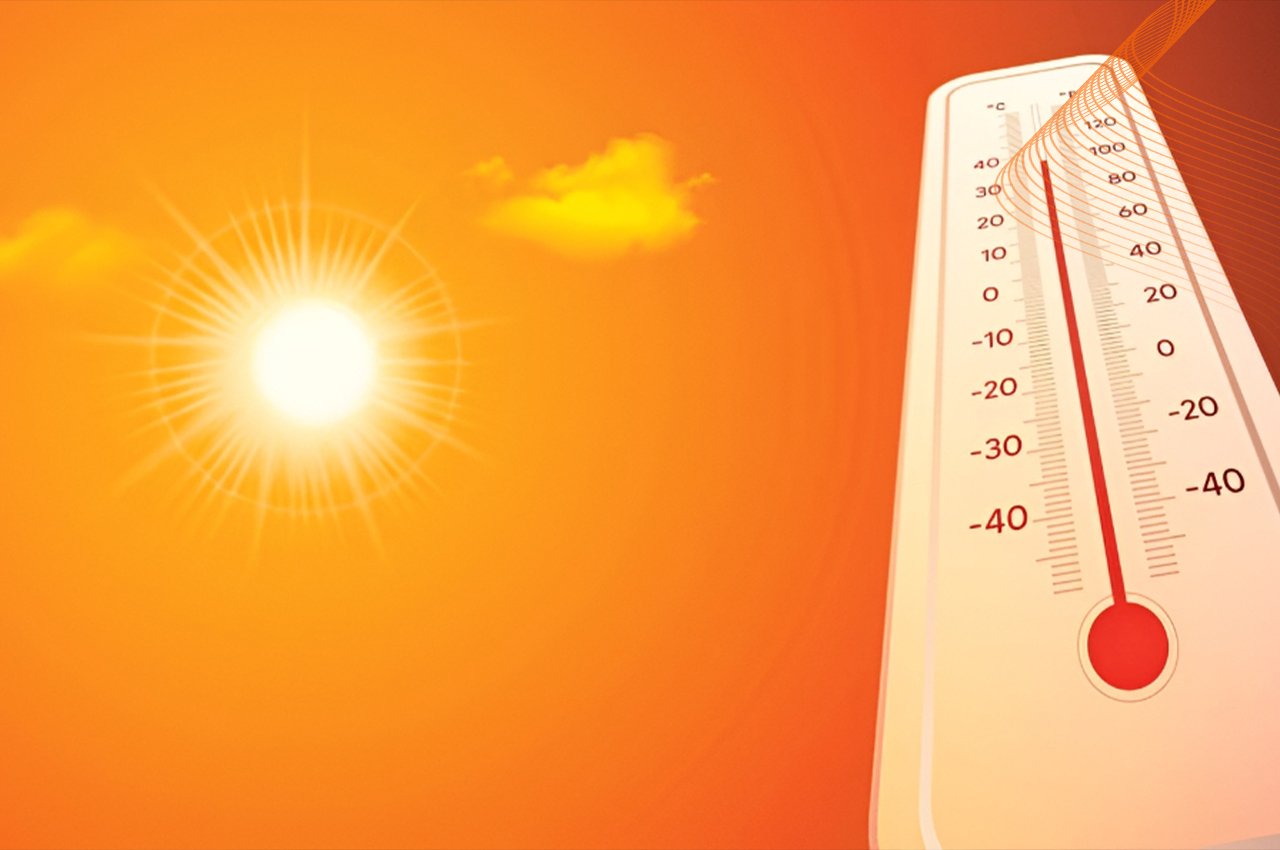
Walking in the Emirates during peak summer hours can be akin to walking into an open oven! When it’s a UAE heat wave 2026 that’s nothing to take lightly, thanks to the regular heat above 40°C and the added sticky layer from the humidity. Knowing how the environment can affect your body is important when living in the region or visiting. Let’s explain all you need to know about how to stay safe in the local climate, how to keep your family safe, and when to get medical assistance.
Understanding the Local Climate: What is a Heatwave in the UAE?
The question ‘What temperature is a heat wave in the UAE’ goes beyond the numbers on the thermometer. The loads come from the region’s peculiar topography, powerful sun, and a high moisture content in coastal air. A typical heatwave in Dubai during the peak months of the summer is between 40C to in excess of 45C in the afternoon with the pavement surface often reaching well over 50C.
The UAE weather heatwave alerts are issued when the high temperatures are high enough to directly affect public health, and so are the meteorological alerts. The National Centre of Meteorology is paying special attention to these changes, providing regular warnings for the UAE temperature today that enable people to make plans accordingly. By learning these patterns, you can learn to see that safety is not just about staying out of the sun, it’s about understanding the interaction between the heat and the humidity and how they affect your body’s cooling systems.
Protecting Vulnerable Groups: Children, Seniors, and Workers
Extreme weather impacts everyone differently, and certain segments of the population require extra care.
Safeguarding Children and Older Adults
If you are unsure about signs of heat stroke in children UAE families should look out for include unusual lethargy, flushed skin, crying without any tears, or sudden heat without sweating. Children and older adults lose the ability to control their body temperature more quickly than healthy adults, and are most susceptible to dehydration and heat stress.
Occupational Safety and Legal Protections
The hottest months of the year are the most dangerous for outdoor workers. There are laws like the UAE labour law for outdoor work during the summer, which offer strong protection, so fortunately there are strict legislative systems that offer protection. The annual outdoor work ban UAE summer prohibits companies from requiring workers to work outdoors and in direct sunlight during the hottest part of the day. This essential ban on outdoor work in UAE helps keep construction and field workers safe from the harmful effects of the highest UV level which helps minimize workplace illnesses to a great extent.
Essential Health and Hydration Strategies
Don’t wait for symptoms and take action to avoid getting sick: the hot weather plan needs to be a daily habit. Well-planned activities help your body run smoothly during all kinds of weather.
Smart Hydration Tips
A frequent mistake is not drinking until thirsty. Thirst does not occur until your body is already beginning to suffer fluid losses. Here are a few easy tips to keep you cool during Dubai’s hot summers:
- Put down little bits of water all day, instead of a lot of water all at once.
- If you are actively sweating and outside for extended periods of time, use electrolyte solutions or oral rehydration salts.
- Avoid excess caffeine and heavy soda, these are mild diuretics and can enhance fluid losses.
Clothing and Daily Scheduling
Thermal stress can be significantly influenced by what you are wearing. Wear lightweight, loose clothing made of cotton or linen that lets air flow through. If you have to go outdoors in the UAE summer, limit all outdoor activities to the early morning or late evening (after the sun sets). If you have to go out during the day, have an umbrella with you or wear a wide brimmed hat.
Recognizing and Treating Heat-Related Illnesses
Despite taking precautions, accidents can occur. It is important to be able to distinguish between a mild heat exhaustion and a serious medical emergency to save a life.
Heat Exhaustion vs. Heatstroke
Usually heat exhaustion manifests as heavy sweating, great weakness, dizziness, headache, and slight nausea. Early diagnosis of these symptoms and transferring to an air conditioned room and drinking cool water can help reverse the symptoms.
But heatstroke is a life-threatening medical emergency. Any adult or child that stops sweating, becomes confused, has a seizure or loses consciousness will require immediate professional intervention. The UAE Ministry of Health issued a serious heat alert to the public and citizens are advised to dial the emergency numbers immediately in case of such severe signs. Quick treatment for heat exhaustion Dubai medical centers recommend to do is to take the victim to the shade, put cool wet compresses on neck and armpits and wait for paramedics.
Frequently Asked Questions
Q1. What temperature is considered a heatwave in the UAE?
A1. Summer days frequently reach temperatures above 40°C but a heat wave advisory does not happen until hot days and high humidity together make for a dangerous and unhealthy ambient temperature for several days.
Q2. How hot does Dubai get in summer?
A2. The temperature can easily be between 40°C and 45°C (104°F and 113°F) during the day and as high as 50°C (113°F) on peak days, and the humidity makes it feel much hotter.
Q3. Is it safe to go outside during peak afternoon hours?
A3. It is strongly advised to stay indoors between 11:00 AM and 4:00 PM. When outdoors, avoid extended periods of time, stay in the shade and wear protective clothing.
Q4. What are the core symptoms of heatstroke?
A4. The following are warning signs: high body temperature (fever) of more than 40°C, disorientation or confusion, hot and dry skin, or loss of consciousness.
Stay Ahead of the Weather with Dubai Key Insights
Extreme weather doesn’t have to put your life or business on hold. Make sure you’re always in the loop, keeping your family safe and your lives running smoothly by visiting Dubai Key Insights for the most current community information, real estate news, and local advice. Get immediate notifications and helpful lifestyle tips delivered to your email right from the weather channel by subscribing to our newsletter.