





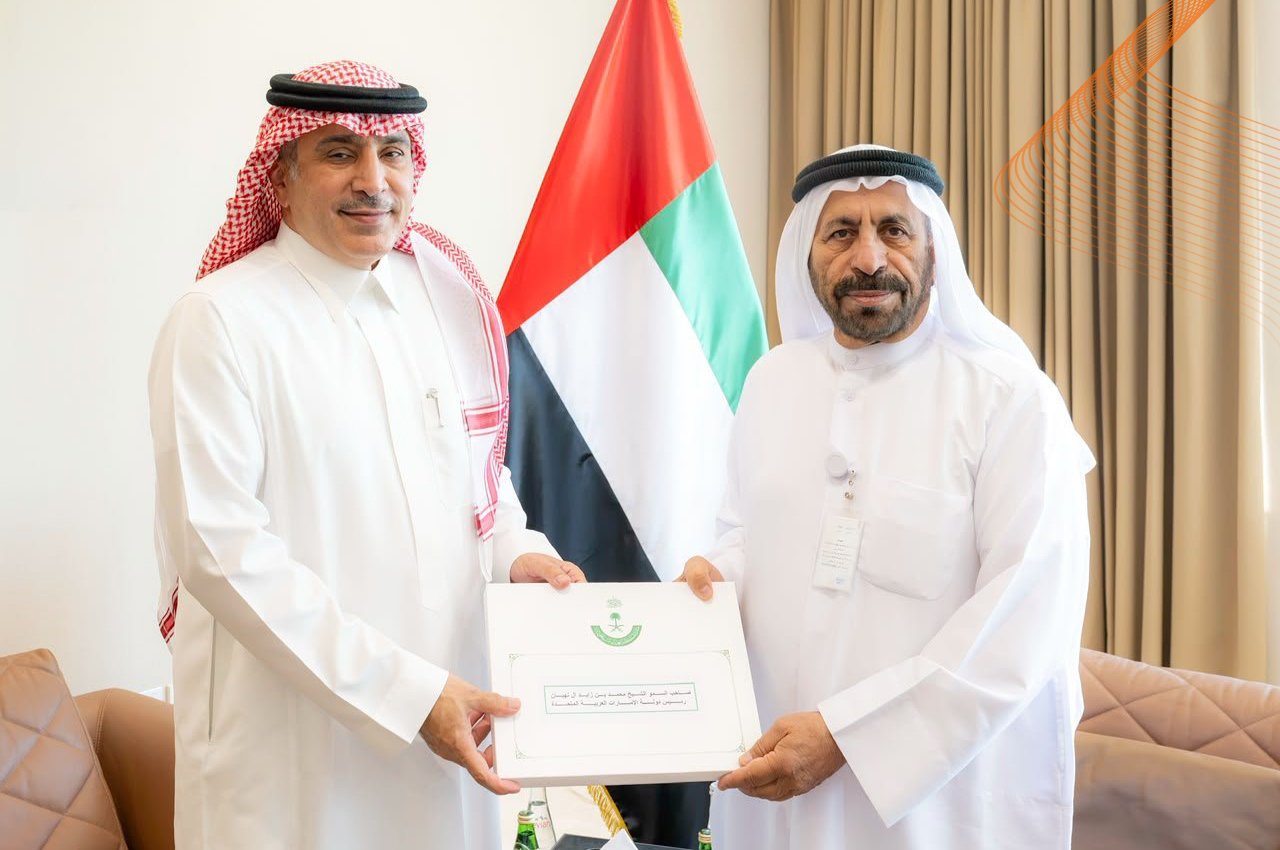
Another landmark milestone was when the Custodian of the Two Holy Mosques sent a message to UAE President Sheikh Mohamed bin Zayed Al Nahyan during the year 2026. The meeting serves as a symbol of the strong bond of brotherhood and strategic cooperation between the Kingdom of Saudi Arabia (KSA) and the United Arab Emirates (UAE). With the flow of economic trends and international developments, direct communication between these two Gulf giants continues to be essential for maintaining stability, security and economic development in the region of the GCC.
The written communication was received in Abu Dhabi by official state media agencies, via trusted ministerial envoys, as per the time-honored protocol of the GCC countries. The dialogue is not just an exchange of official protocol, but also a continuation of the region’s history, economic integration, and mutual geopolitical aspirations that influence the future of the Arabian peninsula and the wider Middle East.
The significance of this event can be realised if we consider what steps the Custodian of the Two Holy Mosques took to reinforce mutual trust and long-term security with the UAE President. The relationship between Saudi Arabia and the UAE is not just a traditional one between two nations, it is an anchor for the stability of international trade, peace in the region and joint investments in infrastructure.
Strategic Importance and GCC Diplomatic Protocol
The Custodian’s message to the UAE President reflects continued coordination on critical regional matters, such as energy security, trade connectivity, and diplomatic strategy. Through direct correspondence, both countries can ensure that key national strategies complement each other successfully, in this case, Saudi Vision 2030 and UAE Centennial 2071.
Sentences are delivered formally, and this is an observance of the traditions of the Gulf. The use of high-level envoys in addition to traditional diplomatic lines is a sign of institutional solidarity and mutual respect between the ruling families. This mixed strategy of statecraft ensures the continuity and flexibility of the alliance in today’s world of uncertainty.
Historical Roots and Economic Synergy
During the formative years of the United Arab Emirates (UAE) under the leadership of Sheikh Zayed bin Sultan Al Nahyan and King Faisal bin Abdulaziz Al Saud, a close bond was formed between the two countries. Today, shared tribal affinities, cultural tradition and geographical location are a foundation for unabridged political unity.
The partnership is a formidable economic power. Saudi Arabia has the biggest consumer base in the Middle East, and the UAE has excellent logistics and financial facilities. Both nations are also actively involved in cooperation efforts in the fields of renewable energy, digital finance, cross-border trade, and technology ventures, as part of the Saudi-Emirati Coordination Council.
Defense Alignment and Regional Impact
In the wake of the Custodian of the Two Holy Mosques’ message to the UAE President, it is also a reaffirmation of a shared stance on security and regional defense. The ability to conduct close military and intelligence coordination is vital for the protection of key maritime routes in the Red Sea and Arabian Gulf region, providing assurance of international trade.
Moreover, the concerted action is a signal for the GCC as a whole that will contribute to stability and greater foreign direct investment in the region. The peaceful diplomatic contacts between Riyadh and Abu Dhabi are a clear sign of stability in the markets and continuity in policy in the eyes of global markets and international observer groups.
As for the future, frequent leadership changes keep Saudi Arabia and UAE at the forefront of Arab world growth, innovation and stability for generations to come.
International Media and Global Market Reactions
Whenever official news breaks that the Custodian of the Two Holy Mosques sends message to UAE President, global markets and international news outlets monitor the development closely. Financial analysts understand that diplomatic harmony in the Gulf directly correlates with market stability, global energy security, and steady capital flows. The announcements carried by state news agencies are carefully analyzed by global policy experts seeking insight into regional energy policies, defense postures, and international trade routes.
International investors view clear, positive diplomatic exchanges between Gulf leaders as a green light for long term regional commitments. Stable diplomatic ties minimize political risk, lower sovereign debt yields, and encourage major foreign direct investments into regional infrastructure, real estate, and technology projects. The positive public sentiment generated by official diplomatic messages reinforces global trust in the economic resilience of the Middle East.
Furthermore, global diplomatic bodies and foreign governments welcome continuous high level communication between Saudi Arabia and the UAE. In an era marked by international polarization, a stable, unified, and proactive diplomatic center in the Gulf provides a dependable partner for international peacekeeping, anti-terrorism operations, and global economic stabilization efforts.
Frequently Asked Questions
Q1. What is the significance when the Custodian of the Two Holy Mosques sends message to UAE President?
A1. It marks significant diplomatic engagement, strategic cooperation, and coordination between Saudi Arabia and the UAE on regional stability and development in the GCC.
Q2. How are these official diplomatic messages delivered?
A2. Senior government officials and ministers deliver official written communications directly, in accordance with traditional diplomatic protocol of the GCC countries.
Q3. How do Saudi Arabia and the UAE cooperate economically?
A3. They work together via the Saudi-Emirati Coordination Council, the development of shared infrastructure, cross-border trade, and similar economic diversification plans.
Q4. Why is stability between Saudi Arabia and the UAE important globally?
A4. Their partnership assures energy markets, safe shipping corridors, and a secure economic climate for international commerce and investment.
Q5. How often do the heads of state of the two countries meet?
A5. Leadership communication occurs on a regular basis in written communications, direct phone calls, bilateral visits and GCC summit meetings.
Stay Connected with Dubai Key Insights
Be sure to follow Dubai Key Insights for the latest news, business trends, and regional diplomacy news from the Middle East. Join our newsletter today to receive updates on major market changes, policy changes and strategies that will impact the future of the Gulf region.