





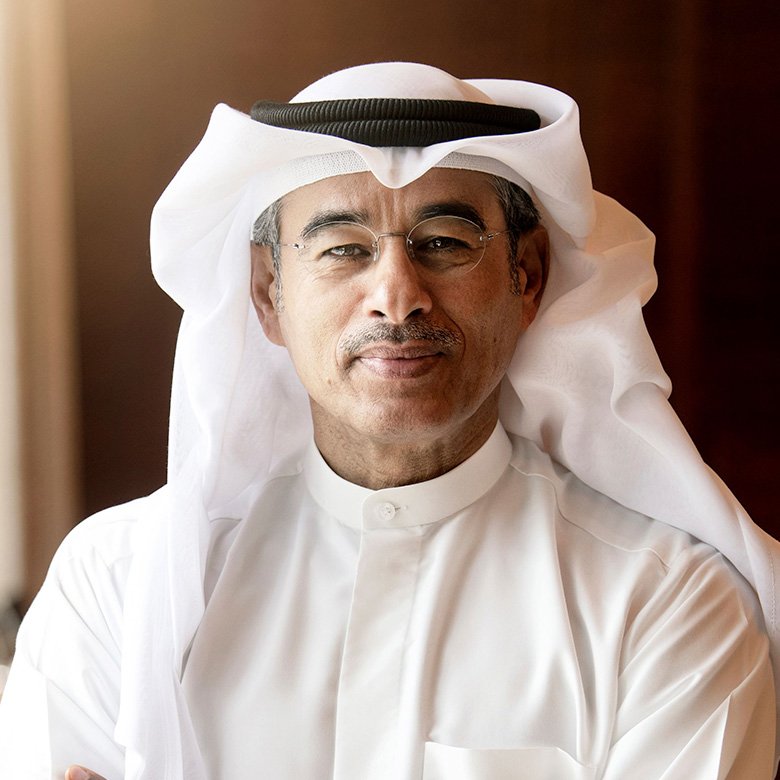
People might have been surprised at how fast Mohamed Alabbar’s vision has transformed online shopping in the Middle East. His vision was to create another digital storefront by the visionary Mohamed Alabbar Noon founder. He knew that the UAE digital economy 2026 needed a local champion that was developed specifically for the distinctive shopping trends, consumer preferences and logistics in the Arab world. Mohamed Alabbar’s vision of Noon e-commerce has built a digital ecosystem that not only competed with global giants but also redefined the innovative landscape of the region.
To appreciate the success of Mohamed Alabbar building Noon into an e-commerce powerhouse, it is important to consider the larger business philosophy. As a celebrated Arab tech entrepreneur in Dubai, Mohamed Alabbar had already made a profound impact on the real estate and urban development industry with Emaar Properties before making his move into tech investments. His foray into the online world had grown from a strong conviction that the region’s markets must be met by local infrastructure, payment systems and ultra-fast fulfillment networks that are specific to the Middle East.
The Visionary Behind the Middle East E-commerce Revolution
Mohamed Alabbar’s journey began with bold, transformative projects, redefining industries. Prior to his entry into the tech industry, he was a founder of Emaar Properties, which has introduced some of the world’s most iconic buildings, such as The Dubai Mall and the Burj Khalifa. The extensive expertise in physical retail, hospitality and the management of large infrastructure projects proved to be an invaluable asset when he moved into digital commerce. He knew how consumers in UAE and Saudi Arabia responded to brands, and he laid the foundations for a big business.
Mohamed Alabbar announced in the last quarter of 2016 that Noon e-commerce platform UAE has been launched, with an initial investment of a billion dollars, backed by Saudi Arabia’s Public Investment Fund. The idea was simple but bold – to build a giant of the Arab e-commerce industry in 2026 capable of rivaling the international giants. The platform officially opened the door to a significant local competitor with plenty of resources, local knowledge and institutional backing.
Strategic Foundation and the Launch of Noon.com
The Middle Eastern online retail market was in a pivotal moment when Noon.com was founded. International companies were keen to grow their businesses in the Gulf, but many didn’t have a deep knowledge of local addressing systems, regional payment habits, and the booming suburbs. Mohamed Alabbar saw these as golden opportunities for a platform built for that purpose.
Mohamed Alabbar emphasized the importance of developing its own fulfillment hubs, dark stores and local last-mile delivery networks, rather than solely depending on third-party logistics. This foundation makes it possible for Noon online shopping platform to guarantee dependable delivery timeframes, ease of cash-on-delivery choices, and hassle-free buyer support throughout significant cities in the Gulf.
The brand’s ability to incorporate local payment methods, local Arabic first user interface designs, and direct interactions with local merchants via the Noon seller platform UAE, the brand rapidly gained the confidence of both customers and enterprise suppliers.
Mastering Logistics and Last-Mile Delivery
The colossal scale of Noon’s operation has been a major part of the company’s success. One of the biggest challenges in delivering packages to the Middle East is that addresses are not universalized and the environment is hot, which means that for some packages, especially those containing perishables and electronics, special shipping requirements must be met. To address these challenges, the company has made a dedicated effort to resolve them under Mohamed Alabbar’s leadership, creating logistics branches throughout the region.
Because of the introduction of custom Noon delivery services UAE, the delivery time was shortened from days to hours. New technologies such as hyper fast fulfillment channels created a standard of rapid delivery for items of everyday use, food and fast moving consumer goods.
The platform ensured speed, predictability and efficiency to millions of households around the region by having strategically placed fulfillment centres and a growing fleet of yellow delivery vans.
Mohamed Alabbar Business Strategy and Ecosystem Expansion
The Mohamed Alabbar business model is focused on creating “ecosystems” instead of “products. Realizing that retail is a multi-faceted business, he accelerated the growth of Noon’s e-commerce operations in various verticals like food delivery, online grocery, digital payments, and fashion retail, to name a few, 2026.
One of the key strategic moves in this expansion was the acquisition of the fashion platform, Namshi. The acquisition of Namshi had helped Mohamed Alabbar secure a dominant market share in premium apparel and lifestyle products, enabling the group to target the huge population of digital native young consumers.
In addition, Mohamed Alabbar is investing in 2026 with a continued focus on the integration of fintech, AI-powered inventory forecasting solutions, and warehouse robotics automation. All of these strategic initiatives help to maintain efficient operating overheads while improving the customer experience on both web and mobile devices on an ongoing basis.
Local Innovation Versus Global Competition
One of the most common areas of discussion among industry analysts is the competitive competition between the big players, especially when considering Noon vs Amazon UAE. Global rivals have brought engineering scale and legacy tech stacks, but Mohamed Alabbar said the factors that really stood out for him were speed, local cultural relevance, and seasonal campaigns that were hyper-relevant.
But, when you compare Noon vs Amazon UAE 2026, you will see how local agility is key. Mohamed Alabbar’s sustainability in gaining long-term consumer loyalty has largely come from tailoring promotional events around cultural occasions, direct collaborations with local manufacturers, and closely aligning them with national economic objectives.
Its scaling up possibility in the specialised market segments enables it to compete well with international niche players, such as Shein, or niche grocery delivery services. The ecosystem will offer a single super-app experience, serving almost all the daily needs of the consumers in one place.
Empowering Regional Sellers and Small Businesses
The brand was built on the idea of creating a force for regional trade from the beginning. The company developed specific programs for sellers to make it easy for local entrepreneurs, small businesses and regional distributors to become digital without making huge investments in infrastructure.
Local businesses had direct access to millions of active shoppers throughout the United Arab Emirates, Saudi Arabia, and Egypt via training sessions, merchant support and clear merchant analytics. The initiative helped to turn the enterprise into a vital business platform for self-made businessmen from the Arab region.
Future Outlook: Expansion and Public Listing Potential
The UAE’s e-commerce market expansion is projected to keep climbing in the future, and industry analysts are keenly watching to see what the next chapter of Mohamed Alabbar’s vision for tech will look like. The anticipation of a Noon IPO 2026 underscores the platform’s maturity, scale, and longevity as a key enabler for the regional digital economy.
The business keeps investing in logistics robotics, integrating AI into the local environment, and improving cross-border trade capabilities, making it at the forefront of digital retail. Mohamed Alabbar has proven that regional vision, combined with proven execution and operation-focused commitment can create tech-based businesses that can compete with the world’s leading companies.
Frequently Asked Questions
Q1. Who is Mohamed Alabbar?
A1. Mohamed Alabbar is an Emirati businessman, entrepreneur and founder of Emaar Properties, which has built such iconic landmarks as the Burj Khalifa and The Dubai Mall. He is also the founder of Noon, a leading digital commerce & fulfillment platform in the Middle East.
Q2. Who founded Noon e-commerce and when was it launched?
A2. Mohamed Alabbar is the founder of Noon e-commerce in collaboration with Saudi Arabia’s Public Investment Fund (PIF) and other notable investors from the Gulf. The platform was officially launched in late 2017 to offer a native digital marketplace which is geared towards the Middle Eastern market.
Q3. What is Mohamed Alabbar net worth in 2026?
A3. Mohamed Alabbar’s net worth in 2026 is indicative of his vast real estate assets, hospitality ventures, digital business ventures, food and beverage ventures, and venture capital investments in the global financial market.
Q4. What companies does Mohamed Alabbar own or lead?
A4. Mohamed Alabbar has been involved in several major business enterprises, such as Emaar Properties, Noon, Americana Group and other private investment vehicles in the Middle East and around the world in the technology, real estate and retail innovation sector.
Q5. How does Noon make money?
A5. Noon earns money via direct retail sales, commission fees from third party merchants on its platform, logistics and fulfilment fees, targeted advertising on the platform and value added digital services throughout its platform.
Q6. Is Noon bigger than Amazon in the Middle East?
A6. Though both platforms have a large share of the market in the region, Noon is a home-grown brand that leads the market in certain segments such as hyper-local delivery service, fashion and everyday consumer goods in the UAE and Saudi Arabia.
Experience the Future of Digital Commerce
Mohamed Alabbar’s journey in establishing a digital retail honcho in the region is an example of foresight, hard work, and innovation. To get detailed analysis on business growth, market trends and economic updates across the Gulf region, check out our Dubai Key Insights. With our pro expert guidance, you can keep your business stay ahead of the curve in the fast-changing digital era.