





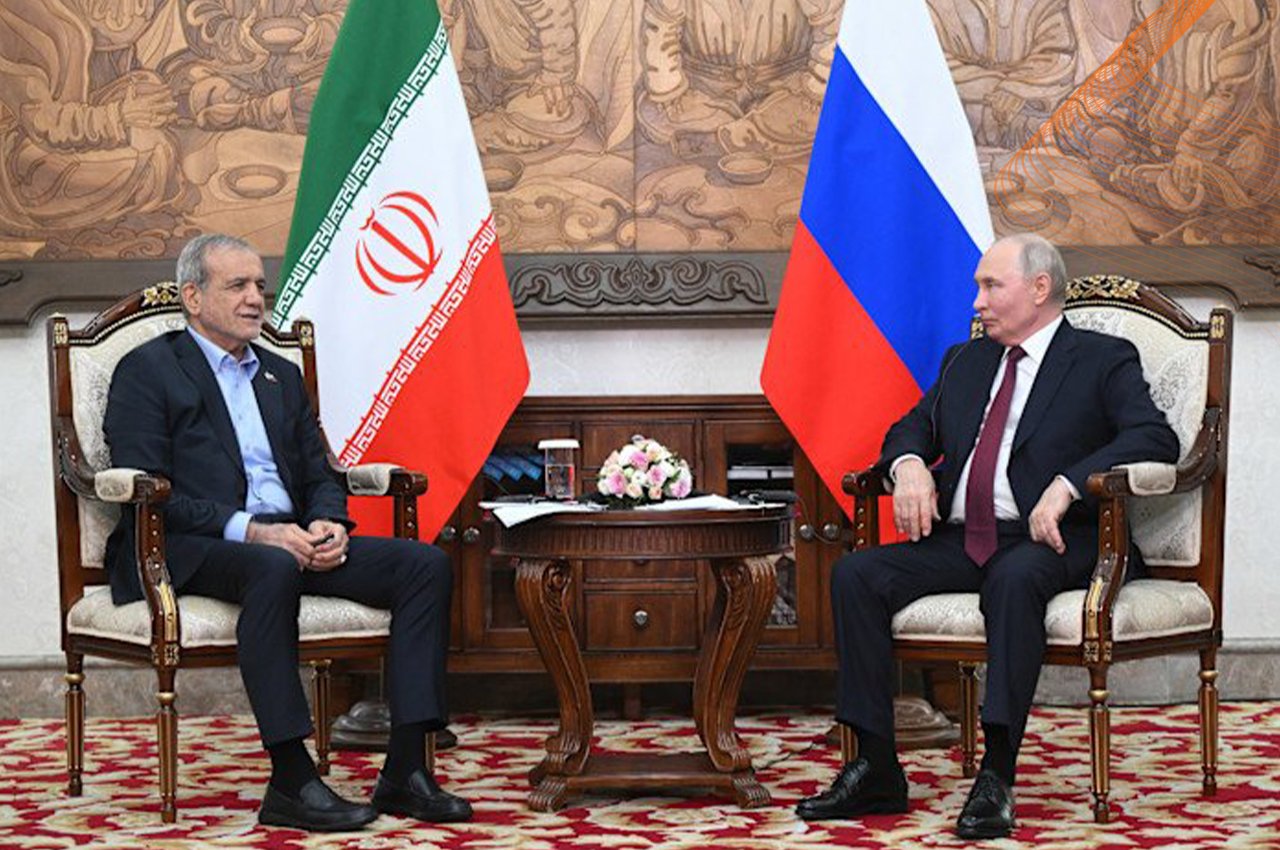
The geopolitics of the Middle East is changing in a radical way that could prove to be destabilizing. The reports and leaked intelligence indicate a clandestine, high-stakes technical relationship between Moscow and Tehran. The international spotlight has been on the skirmishes and deadlocks, but a behind-the-scenes campaign has been going on. This clandestine deal includes direct Russian support for the improvement of the country’s strategic military capabilities in advanced propulsion systems, air defense, and next-generation strike platforms. The revelations represent a disturbing shift in relations between two states both facing sanctions by the West and will be worrying for policy analysts, defense strategists and international watchers of regional stability.
Decoding the Clandestine C430L Project
The hub of this technology transfer is an ongoing secret project called Project C430L that spans more than a year. This program started formally in late 2023 after a series of diplomatic talks and visits by top Russian missile experts to Tehran, according to leaked correspondence, travel records and military patents. The real goal of this arrangement is to transfer highly sensitive engineering information, not to simply provide manufactured munitions.
The centerpiece of the technical assistance are the ramjet propulsion systems that will enable cruise missiles to fly at supersonic speeds. The speed of combustion, efficient fuel control and correct speed adjustment of the nozzle at several times the speed of sound has been a major challenge for the indigenous defence industry of Iran. The fact that Moscow has assisted Tehran in analysing flight-test data and finding persistent aerodynamic problems, using the expertise of Russian firms such as NPO Mashinostroyenia, through Rosoboronexport, the state arms exporter, is further evidence of its support for the project.The Russian deployment of experienced specialists from the Mashinostroyenia company, for example, and through Rosoboronexport, the Russian state arms exporter, is another sign of Moscow’s support for the project as it helps Tehran analyse the flight-test data and find persistent aerodynamic problems. It is a shortcut in technical troubleshooting, giving Iran a strategic advantage that it can afford to neglect decades of trial and error in research and development.
Shifting Paradigms in Regional Deterrence
The effects of this technical assistance are much bigger than bilateral cooperation. The military analysts remind us that it is the ability to obtain a reliable, supersonic cruise missile capability that changes the naval/tactical balance in the Persian Gulf and Middle Eastern region. Early warning detection and interception windows are very critical to the traditional defense architectures that are in place in the United States and its allies across the region. However, traditional anti-air and anti-missile (AAM) defense systems struggle because they operate at low altitudes and travel at high speeds.But the low altitude and high speed of cruise missiles makes them difficult to intercept by conventional AAM defenses.
The upgrading of these programs gives a qualitatively new strategic weapon system to Tehran. If the maritime conflict or escalation is local, as it was around Iran’s Strait of Hormuz, the capabilities of anti-ship and land-attack options make it more difficult for the United States Navy and other naval forces to calculate. The deepening alliance is thus perceived not only as a convenience but as a challenge to the existing security scenarios in the region.
The Evolution of Moscow-Tehran Strategic Alignment
The current military-technical transfer marks the culmination of a symbiotic military-technological relationship that has developed over the years. In recent years, the relationship between the two countries has changed from a ‘convenience’ relationship to a very close partnership. During the earlier stages of the Ukraine war, Iran has provided Russian forces with heavy quantities of low-cost Shahed attack drones, and has helped Russia build an internal assembly program.
When there was increasing external pressure and open conflict broke out between regional actors, the character of reciprocity changed. In response, Moscow has also been sending important battlefield assistance to the invaders, such as feeds of high-resolution satellite images, tactical drones and certain parts of weapons. In addition, shoulder fired air defense systems have been reported, representing a full-fledged two-way street of military modernization. This deepening axis is a showcase of the ways in which the Western sanctions and longstanding geopolitical tensions have forced both countries to institutionalise military-technical interdependence.
Geopolitical Repercussions and International Reactions
The leaking of these hidden programmes has caused deep alarm in Western capitals and international security agencies. The decision to allow the sale of sensitive propulsion technology will be approved at the highest levels of the Russian government, diplomats say, indicating that Moscow is willing to go to greater lengths to bolster its strategic partners.
The United States and its allies have to ‘play the territory game’ to control this axis. In the case of closed-loop state networks, however, economic sanctions and full-scale export controls are the main enforcement instruments, but they are very challenging. Furthermore, the alignment dovetails with other geopolitical trends such as parallel economic and diplomatic cooperation with Beijing, which makes up a formidable bloc to challenge western-led international institutions. The international community is confronted with a complicated security scenario in the Middle East that will shape its stability for years to come, as both technical reports and strategic dialogues keep progressing.
Frequently Asked Questions
Q1. What is the primary focus of the recent technical reports regarding Moscow and Tehran?
A1. Investigative efforts uncovered a secret program code-named Project C430L in which Russian experts have been helping Iran to develop supersonic ramjet cruise missile technology.
Q2. Why are supersonic cruise missile capabilities considered a major security concern?
A2. The weapons have been designed to be both very fast and capable of low-level flight, which gives less of a warning and intercepting time for conventional regional air defense systems.
Q3. How has the bilateral relationship between the two nations evolved over time?
A3. The relationship has evolved from a mere exchange of drones from Iran to Moscow to a complex technical cooperation that includes joint engineering, aerospace development and intelligence sharing.
Q4. What role do Russian state entities play in these transfers?
A4. State arms manufacturers and aerospace design institutes have organized technical assessments, sent experienced engineers, and provided assistance for the local design teams in solving difficult aerodynamics and fuel combustion issues.
Strategic Conclusion and Action
In the dynamic world of global diplomacy, it is crucial to remain vigilant and well-informed, requiring analytical skills and knowledge to delve deep into the complexities of international affairs. Keep abreast of key geopolitical developments, geopolitical economics and regional security challenges through our extensive coverage in Dubai Key Insights. Don’t miss out on the key information that is driving the future of global politics; subscribe to the specific intelligence briefings we have.