





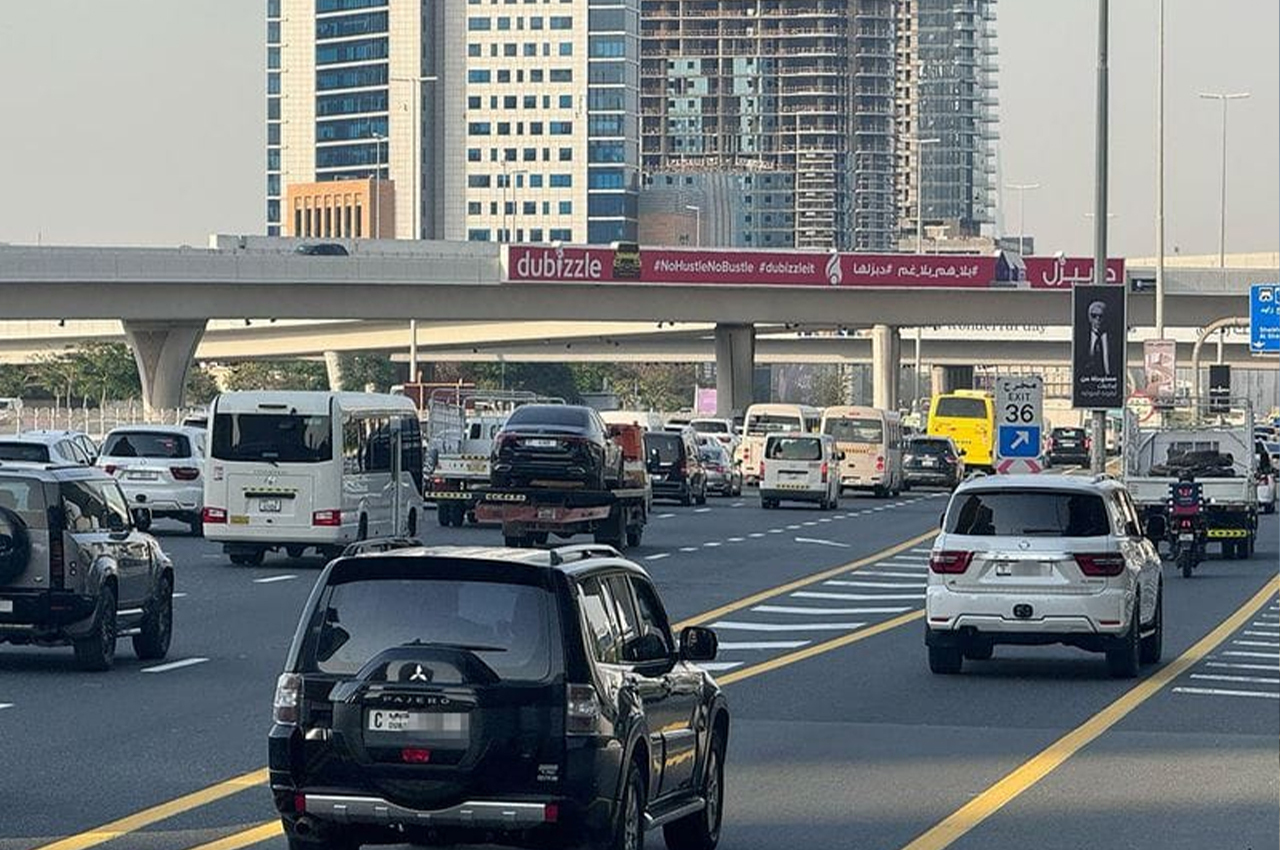
Driver drowsiness and fatigue blamed for 20 major UAE crashes in 2025, highlighting a persistent but often underestimated risk on the country’s roads. Despite overall improvements in road safety, fatigue-related incidents continue to pose serious dangers to motorists and commuters.
Key Development
Official road safety data shows that 20 major traffic accidents in the UAE during 2025 were directly linked to driver fatigue or drowsiness.
These incidents form part of a wider breakdown of accident causes, which also include:
- Tyre bursts accounting for 25 accidents
- Driving without a licence linked to dozens of cases
- Dangerous behaviours such as wrong-way driving and pedestrian violations
While fatigue-related crashes may appear lower in number compared to other causes, experts warn that such incidents are often more severe due to delayed reaction times and loss of vehicle control.
Why It Matters
Fatigue-related driving is particularly dangerous because it reduces alertness without obvious warning signs.
Key risks include:
- Slower reaction time: Drivers may fail to respond to sudden hazards
- Microsleep episodes: Brief loss of consciousness can occur without warning
- Poor decision-making: Fatigue affects judgement and lane discipline
- Higher crash severity: Accidents often occur at speed without braking
Research shows fatigue is a factor in up to 20 percent of crashes globally, underlining its significance as a road safety threat.
In the UAE, long commutes, irregular work hours and extreme weather conditions can further increase the risk.
Bigger Picture
The UAE has made strong progress in reducing road fatalities, with some periods in 2025 showing a 36.8 percent drop in traffic death rates in Dubai.
However, fatigue remains part of a broader mix of contributing factors, including:
- Distracted driving, especially mobile phone use
- Speeding and tailgating
- Sudden lane changes and lack of discipline
- Evening and night-time driving risks
With thousands of accidents recorded annually and economic costs estimated in the billions, even smaller categories like fatigue-related crashes carry significant impact.
Seasonal factors such as Ramadan fasting, long-distance commuting between emirates and extended work hours can further elevate fatigue risks among drivers.
What Happens Next
Authorities are expected to continue focusing on awareness and enforcement to reduce fatigue-related incidents.
Potential next steps include:
- Public awareness campaigns on rest and safe driving habits
- Encouraging breaks during long journeys
- Use of in-car fatigue detection technologies
- Stricter monitoring of commercial and long-haul drivers
Globally, the rise of driver monitoring systems using AI and sensors is also expected to play a role in reducing fatigue-related crashes in the future.
FAQs
How many UAE crashes were caused by fatigue in 2025?
At least 20 major crashes were linked to driver fatigue or drowsiness.
Why is driving while tired dangerous?
Fatigue slows reaction time, affects judgement and can cause drivers to fall asleep briefly.
When are fatigue-related accidents most likely?
They often occur during long drives, late at night or after extended work hours.
Is fatigue a major cause of accidents globally?
Yes, it is linked to up to 20 percent of crashes worldwide.
How can drivers avoid fatigue-related accidents?
By getting enough rest, taking regular breaks and avoiding long drives when tired.