





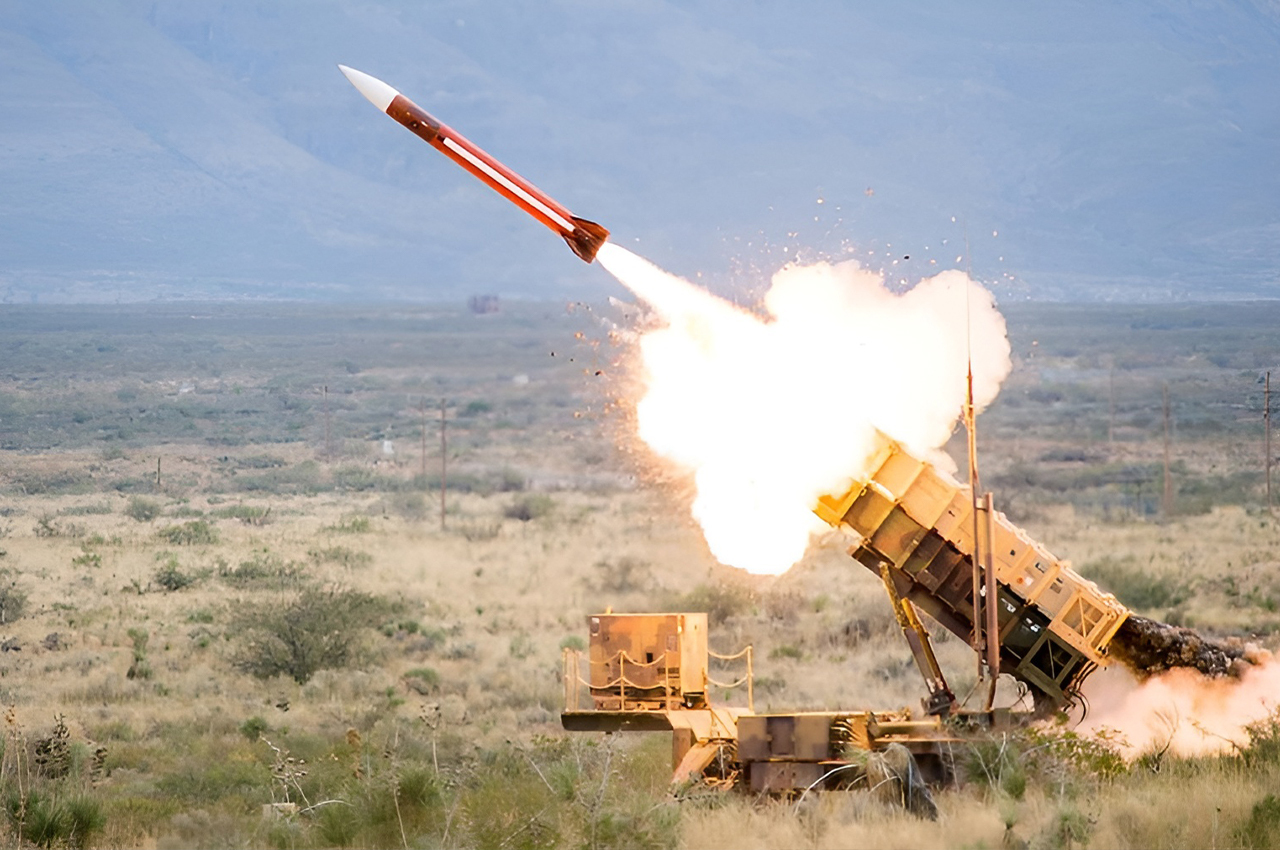
The UAE air defense intercepts 12 ballistic missiles and drones launched by Iran in a significant escalation that highlights the country’s advanced defence capabilities and regional tensions. Authorities confirmed that multiple aerial threats were successfully neutralised, reinforcing the UAE’s commitment to protecting its airspace and critical infrastructure.
Key Development
The UAE Ministry of Defence confirmed that air defence systems intercepted 12 ballistic missiles along with additional aerial threats, including cruise missiles and drones launched from Iran. The incident forms part of a broader pattern of attacks targeting the country in recent weeks.
Officials said the interception prevented major damage, with only limited injuries reported. The latest figures indicate:
- 12 ballistic missiles intercepted
- 3 cruise missiles neutralised
- 4 drones destroyed mid-air
- Minor injuries reported, with no critical casualties
The UAE has significantly strengthened its layered air defence systems, allowing rapid detection and interception of incoming threats. Since the escalation began, hundreds of missiles and thousands of drones have reportedly been intercepted, demonstrating sustained operational readiness.
Why It Matters
This development underscores the UAE’s strong national security framework and its ability to respond swiftly to regional threats. The successful interception highlights several key implications:
- National safety: Protection of residents, infrastructure and key economic zones
- Energy security: Safeguarding critical oil and port facilities, especially near Fujairah
- Aviation stability: Maintaining safe airspace in one of the world’s busiest travel hubs
- Investor confidence: Reinforcing the UAE’s reputation as a secure business destination
Despite ongoing tensions, the UAE continues to project stability, which remains essential for tourism, global trade and financial markets.
Bigger Picture
The incident reflects broader geopolitical tensions in the Gulf, particularly around the Strait of Hormuz, a vital global energy corridor. The situation signals:
- Rising regional security challenges
- Increased military preparedness across Gulf states
- Strategic coordination with international allies
- Continued focus on defence innovation and surveillance systems
For the UAE, this aligns with its long-term strategy of combining economic growth with strong defence capabilities. The country has invested heavily in advanced radar systems, missile interception technologies and integrated air defence networks.
At the same time, the escalation highlights the importance of diplomatic channels to avoid further instability in a region critical to global energy supply chains.
What Happens Next
The situation is expected to remain fluid, with authorities maintaining heightened alert levels. Key developments to watch include:
- Potential diplomatic responses or de-escalation efforts
- Increased military coordination in the Gulf region
- Strengthening of air defence systems and surveillance
- Possible impact on shipping routes and oil markets
The UAE is likely to continue emphasising security readiness while balancing economic stability and regional cooperation.
FAQs
What exactly happened in the UAE?
The UAE intercepted 12 ballistic missiles along with drones and cruise missiles launched from Iran, preventing major damage.
Were there any casualties?
Only minor injuries were reported, with no critical casualties confirmed.
How did the UAE stop the missiles?
Advanced air defence systems detected and intercepted the threats mid-air using layered missile defence technology.
Is it safe to travel to the UAE?
Authorities continue to maintain high security levels, and normal life and travel operations are largely ongoing.
What does this mean for the Gulf region?
It signals rising tensions but also highlights the UAE’s strong defence capabilities and commitment to maintaining stability.