





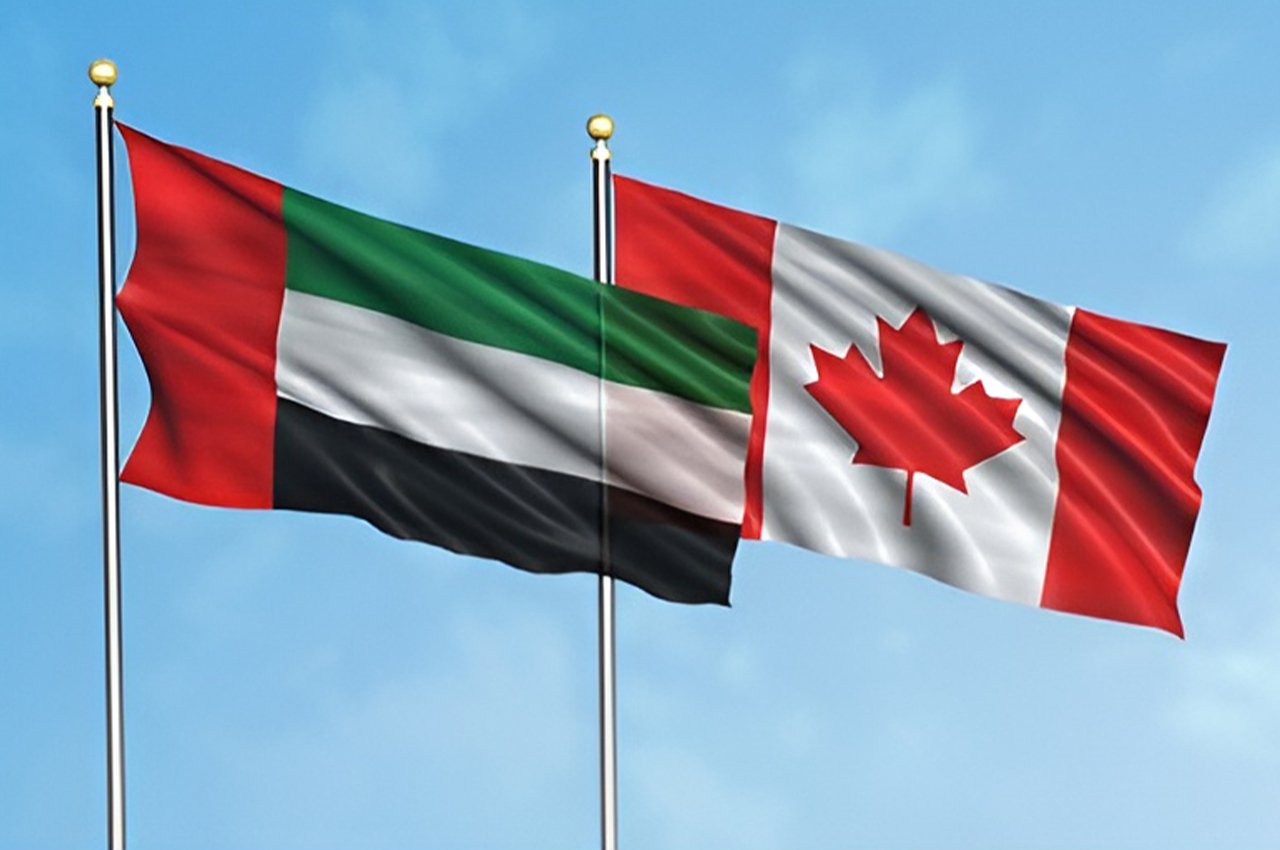
Canada issues strong condemnation of Iran’s unprovoked attacks on the UAE, joining a growing list of international responses to escalating tensions in the Gulf. The statement underscores Ottawa’s support for regional stability and its concern over the safety of civilians and critical infrastructure.
Key Development
Canada has strongly condemned Iran’s missile and drone attacks on the United Arab Emirates, describing them as “unprovoked” and dangerous for regional security.
Prime Minister Mark Carney said Canada “strongly condemns Iran’s unprovoked missile and drone attacks on the United Arab Emirates” and expressed solidarity with UAE leadership and its people.
The Canadian government also:
- Reiterated its call for de-escalation and diplomacy
- Praised defensive efforts protecting civilians and infrastructure
- Emphasised the need to uphold international law
- Voiced concern over attacks on civilian targets
Foreign Minister Anita Anand added that strikes on civilian infrastructure must stop, reinforcing Canada’s stance on protecting non-combatants.
Why It Matters
Canada’s condemnation reflects widening international concern over the implications of the attacks on the UAE and the broader Gulf region.
Key implications include:
- Global diplomatic pressure: More countries are urging restraint and accountability
- Civilian safety concerns: Attacks on infrastructure raise humanitarian risks
- Energy market sensitivity: The UAE plays a key role in global oil supply chains
- Shipping security: Incidents near strategic routes heighten risks to global trade
For Gulf nations, strong backing from global partners reinforces confidence in maintaining stability amid rising tensions.
Bigger Picture
The attacks come amid renewed instability around the Strait of Hormuz, a critical global energy corridor. Recent incidents involving missiles, drones and maritime targets have triggered widespread international reactions.
Global developments show:
- Multiple Western and European leaders condemning the attacks
- Rising fears over disruption to oil shipments and shipping lanes
- Increased diplomatic efforts to prevent further escalation
Canada’s response aligns with its broader foreign policy approach, which prioritises:
- Protection of civilians
- Respect for sovereignty
- Multilateral diplomacy
- Conflict de-escalation
The situation highlights how regional conflicts can quickly draw global attention due to their economic and geopolitical impact.
What Happens Next
Diplomatic engagement is expected to intensify as countries push for de-escalation and stability in the Gulf.
Key developments to watch:
- Further international statements and coordinated responses
- Possible UN-level discussions or resolutions
- Increased security measures for shipping and energy infrastructure
- Ongoing monitoring of regional military activity
Canada is likely to continue advocating for dialogue while supporting efforts to stabilise the region.
FAQs
What did Canada say about the UAE attacks?
Canada strongly condemned Iran’s actions, calling them unprovoked and urging de-escalation.
Who made the statement?
Prime Minister Mark Carney and Foreign Minister Anita Anand issued statements.
Why is Canada concerned?
Due to risks to civilians, regional stability and global energy markets.
Does Canada support the UAE?
Yes, Canada expressed solidarity with UAE leadership and its people.
What is Canada calling for now?
De-escalation, diplomacy and adherence to international law.