





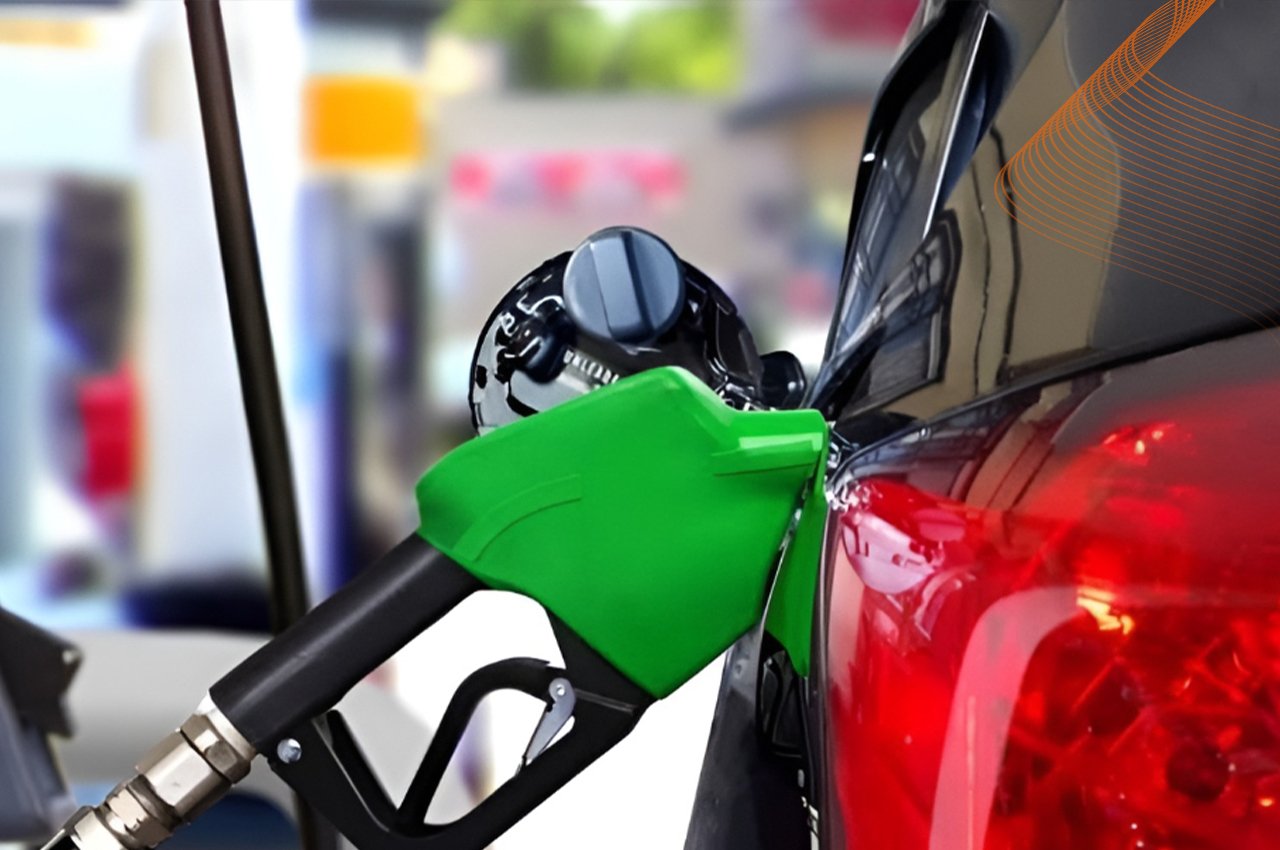
These days, it’s like riding the roller coaster in the Emirates when it comes to tracking monthly auto costs. Everyone is asking what may be next after seeing wild market swings, unsuspecting an increase in summer prices and dramatic decreases in the last few months. These changes, if you commute between Sharjah and Dubai or drive long distances on Sheikh Zayed Road regularly, could cost you a lot of money. Let’s explore the details of the upcoming changes, how local prices reflect those of international markets and what smart measures you can take at your local station to ensure you don’t overspend your monthly budget.
Understanding How UAE Fuel Prices Are Calculated
But many motorists think that petrol is priced at random around the city, when in fact every price change is calculated precisely. The UAE deregulated fuel prices in 2015 to in-line with the average prices of crude oil in the international market. This means that if the price of international energy changes, the ENOC or ADNOC local distribution companies change the price at the pump.
The United Arab Emirates (UAE) Fuel Price Committee, an independent body, convenes monthly to review these international benchmarks which include refined fuel prices, shipping and operating margins. It’s a dynamic system affected by global supply and demand, so if there’s a sudden geopolitical tension or a sudden variation in production quotas, it can be reflected in your monthly fuel bill right away.
Recent Trends and Current Station Rates
Fuel prices have been an erratic year around. There was a bit of a breath of relief in July, with the costs being cut across all categories, after a tense spring which had seen costs rise. The committee, however, soon made up some of this saving in August with its uniform 20-fil hike per litre.
To put things into perspective, current station rates stand at:
- Super 98: AED 3.60 per litre
- Special 95: AED 3.49 per litre
- E Plus 91: AED 3.41 per litre
- Diesel: AED 3.80 per litre
These changes remind us how important it is to be aware of the upcoming announcement so as to make the most efficient household budgets.
Looking Ahead: Expectations and Market Drivers
Meanwhile, as we head into the coming month, we’re keeping an eye on some key international benchmarks, such as Brent crude, which recently dipped below $90 a barrel. That correction in global markets has put a lot of analysts in a mood of hope for a price slowing.
The exact number of cars that will be saved by the new regulations is hard to say but the numbers are progressing so far that motorists may finally get some relief. Even at the rate of 10 to 20 fils per litre, a drop is still noticeable when buying bigger tanks. If these global trends become evident as the month ends, it will mean a lot for the relief side, but if the average trading values don’t materialize, it means nothing.
Smart Ways to Optimize Your Fuel Consumption
With pump prices rising, a few changes in driving habits can make a huge difference to your fuel economy. It’s not the case that you have to give up your car; rather, you can make small changes to make each litre go further.
- Avoid traveling during rush hour and avoid ‘stop and go’ driving because these driving conditions result in more idling time and therefore more fuel being burned.
- Keep an eye on tyre pressure as this could affect rolling resistance and is hard to notice but robs you of fuel economy.
- Lighten the overall load of your car by getting rid of items in the trunk that aren’t necessary for your city trip.
- Take advantage of fuel station loyalty programs and credit card cashback coupons designed for fuel.
Frequently Asked Questions
Q1. When are the monthly fuel rates officially announced?
A1. The UAE Fuel Price Committee usually determines the new prices on the last day of every month and these rates will take effect on the first day of the next month.
Q2. Are prices uniform across all gas stations in the country?
A2. Yes, all distribution brands whether ENOC, ADNOC or Emarat have the same fuel prices throughout all Emirates and the price is regulated by the Ministry of Energy and Infrastructure.
Q3. How does the type of petrol affect my engine?
A3. Special 95 and E Plus 91 are special compounds for standard cars, while Super 98 is for high performance luxury cars, which have high compression ratios. Before changing fuel grades, refer to your manufacturer’s fuel door recommendation.
Drive Smarter and Stay Updated
It’s the nature of driving in the Emirates for fuel prices to change from time to time, but the smart way to handle this is to keep up with the news. Take advantage of our regular updates and get the latest news as soon as it’s released and save as much as you can at the best time.
Follow Dubai Key Insights for more news.