





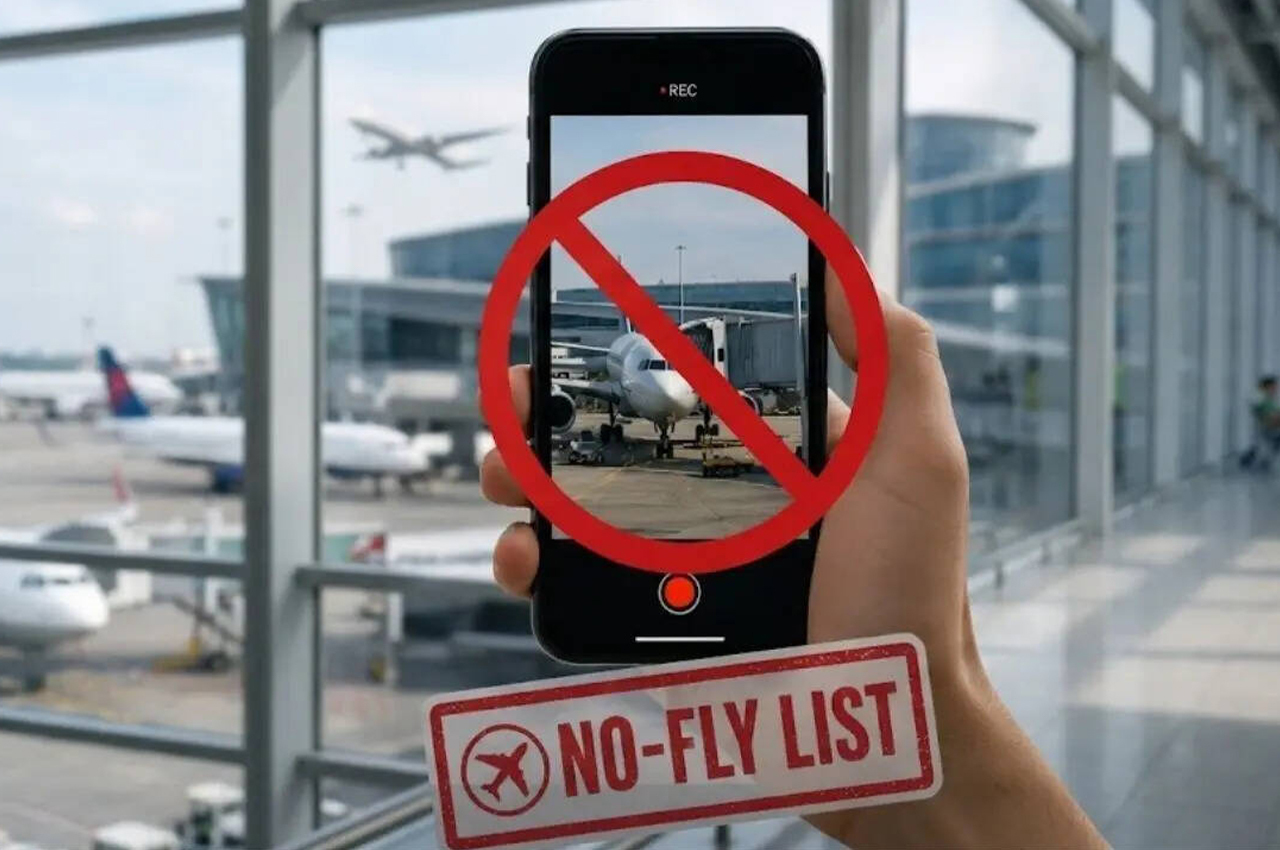
Airport Photography: Are Your Travel Vlogs Risky?
If you are used to travelling between the UAE and India quite regularly, you must have seen that travelers have started recording all the moments of their trip. There is a lot of content on social media about airports, from check-in at the desk to the window seat. The new DGCA aviation security guidelines, however, have added to the strict changes that all passengers need to know.
The recent change of the Directorate General of Civil Aviation has confirmed that there is a serious crackdown on unauthorized filming. It is not simply a recommendation; it’s a significant change in the law for the sake of national security. If you’re one of those travelers who isn’t familiar with all of these Indian airport mobile rules, the repercussions could be more serious than the erased video.
You may be subject to fines, loss of your high-dollar recording equipment, or even being placed on the official no-fly list. As authorities take a firm stance on content creation, it’s more important than ever to know where you can and can’t take out your camera while traveling.
The New Reality: Why DGCA Is Cracking Down
These DGCA rules for taking pictures at airports are largely due to the accidental exposure of sensitive operational infrastructure that is sensitive. Whether it’s their vlog or a candid selfie, travelers take photos of other things that they are not supposed to. This means security checkpoints, surveillance systems, and employees’ operations that need to be kept private.
The Indian airport photography ban is in place to protect security, even when you’re just taking photos of your trip to share with friends. These seemingly innocuous clips can expose weaknesses in airport security and have been noted by authorities. Passengers are giving away classified layouts and procedures online, quite inadvertently.
That is why the strict guidelines put in place by the DGCA for travellers are being adhered to so strictly.
Restricted Zones: Where You Must Keep Your Phone Away
It is essential to understand the difference between the public spaces and the high-security zones to not get the same treatment as a passenger de-boarded for “photography” in India! The legislation clearly states that photography or videography is not allowed in sensitive areas without prior approval. These zones are rigidly controlled so as to keep operational security intact at all times.
In particular, you should not record at security checkpoints and in boarding gates. These are the areas of greatest risk and with the most intense surveillance. In addition, areas such as runway buses, aircraft handling areas, and airport aprons are prohibited for casual photography. Should you be found, you could be compelled to remove the material right away, or it could be investigated more thoroughly.
Consequences: Could You Be Grounded?
The prospect of being grounded is real, especially for those of the UAE grounded in India due to compliance problems. The authorities can recommend your name for the national no-fly list if you are caught recording sensitive security-related information repeatedly or if you are caught violating the rules. This is a serious action that may leave them out of the skies for a period of time or for the rest of their life.
In addition to the immediate risk of a travel ban, there can be additional immediate effects. Mobile phones, cameras, and other recording devices may be seized by security officials for investigation. This may result in a significant time lag, which can mean you miss your flight or experience logistical problems in getting back to the UAE from India.
What’s more, there are steep fines involved in contravention of DGCA photography regulations, depending on the severity of the incident. In the worst case, the legal ramifications can be far-reaching, even beyond aviation law, perhaps even involving local law enforcement if the photography poses a threat to public safety or national security.
Tips for Content Creators and Casual Travelers
You don’t need to end all your filming if you are a frequent flyer and a lover of being able to document your travels. The main thing is to think about security and adhere to the guidelines thoroughly. First, be sure you are not in a private space before you begin to take any videotape or photographs.
Commercial photoshoots, including Prof. Photo shoots or sponsored social media campaigns, are not permitted without prior permission. The new DGCA guidelines for taking airport photos require you to make a formal request for permission from both the airport authorities and security agencies prior to bringing your camera gear to the airport.
Frequently Asked Questions
Is it illegal to take photos at Indian airports?
Not all places allow it, but it is not permitted in certain areas, such as security checkpoints and aprons. The following areas are not suitable for filming without permission from the DGCA.
Are there any new DGCA regulations on photography at airports?
A new rule has been implemented to prevent filming in high-security areas like runways and boarding gates. Seizure of the device, fines, and being listed on the no-fly list are possible consequences of violation.
So, why are people being stranded at Indian airports if the UAE?
Often, the passengers are caught on camera in restricted areas without permission, which activates security measures. If they repeatedly commit these offenses or if they record sensitive infrastructure, they may be prevented from flying.
Are there any Indian airports I can record videos at or do a vlog in?
General public areas are OK, but stay away from restricted areas. Always check for signs or ask local staff if your present area is suitable to film in, if in any doubt.
Can you take photos from the window of the airplane in India?
Typically, only photography from within the aircraft is allowed at civil aerodromes. This is not allowed at any defense-operated airport, however, so please always check the status of your flight.
Final Thoughts and Call to Action
The journey between the UAE and India should be thrilling and not a source of legal hassle. Familiarizing yourself with the DGCA aviation security guidelines and adhering to the limitations will help you ensure that you can continue to travel without issues or complications. Security is a joint responsibility, and each passenger has a role to play in making the aviation environment safe for all.
To keep up to date with the latest travel requirements, visit our weekly updates here at Dubai Key Insights.