




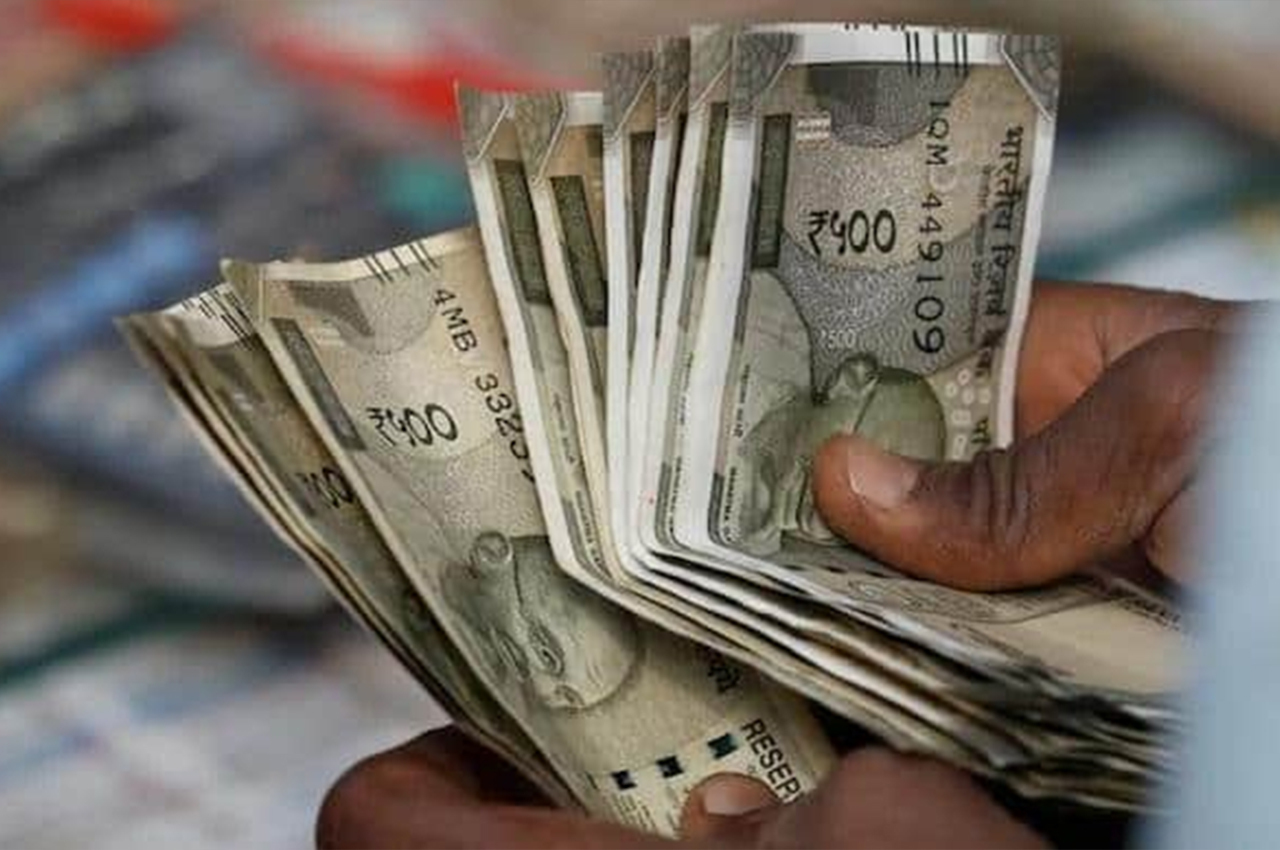
The Indian Rupee hits all-time low, breaching the 95 mark against the US Dollar in a move that is raising concerns across global financial markets. The sharp depreciation signals mounting pressure on emerging market currencies amid strong dollar demand and shifting global economic conditions.
Key Development
The Indian Rupee has weakened beyond the psychologically significant 95 level against the US Dollar, marking its lowest point on record. The decline reflects sustained capital outflows, elevated crude oil prices, and a stronger US Dollar driven by higher interest rates in the United States.
Currency traders indicate that the rupee has been under pressure for several weeks, but the breach of 95 represents a critical threshold. The move is expected to trigger increased intervention discussions by the Reserve Bank of India, which may step in to stabilise volatility.
Key factors driving the decline include:
- Rising US Treasury yields attracting global capital
- Persistent inflation concerns in India
- Higher import bills, particularly due to crude oil
- Weak sentiment across emerging market currencies
The rupee’s depreciation also aligns with a broader trend affecting Asian currencies, many of which are facing similar external pressures.
Why It Matters
The fall of the Indian Rupee has significant implications for both domestic and international markets, especially for Gulf economies with strong trade ties to India.
For businesses and consumers:
- Imports become more expensive, increasing inflation risks
- Indian companies with dollar-denominated debt face higher repayment costs
- Overseas education and travel become more costly for Indian residents
For Gulf countries such as the UAE and Saudi Arabia, the weaker rupee could influence remittance flows. Millions of Indian expatriates in the Gulf send money back home, and currency fluctuations directly impact the value received by families in India.
Additionally, sectors such as tourism and real estate in the UAE may see indirect effects. A weaker rupee could:
- Encourage more remittances in the short term
- Reduce discretionary spending by Indian expatriates
- Influence travel patterns between India and the Gulf
Bigger Picture
The Indian Rupee’s record low highlights broader global economic shifts. The dominance of the US Dollar continues to strengthen as the Federal Reserve maintains a relatively tight monetary stance compared to other central banks.
For Gulf economies, this trend carries mixed implications:
- Stronger dollar-pegged currencies like the UAE dirham and Saudi riyal benefit from stability
- Trade with India becomes more cost-sensitive
- Investment flows may shift towards dollar-backed assets
The situation also reflects ongoing challenges in emerging markets, where balancing growth, inflation, and currency stability remains complex. India, as one of the world’s fastest-growing major economies, faces the task of maintaining investor confidence while managing external shocks.
In the context of long-term strategy, India’s economic fundamentals remain resilient, supported by strong domestic demand and infrastructure investment. However, currency volatility could test short-term stability.
What Happens Next
Looking ahead, the trajectory of the Indian Rupee will depend on several critical factors:
- Future US Federal Reserve policy decisions
- Global oil price movements
- India’s inflation and trade balance data
- Possible intervention by the Reserve Bank of India
Analysts suggest that the central bank is likely to monitor the situation closely and may intervene to prevent excessive volatility rather than defend a specific level.
If global conditions remain tight, the rupee could stay under pressure in the near term. However, any easing in US monetary policy or stabilisation in commodity prices may provide relief.
FAQs
Why did the Indian Rupee hit an all-time low?
The decline is driven by a strong US Dollar, rising oil prices, capital outflows, and global economic uncertainty affecting emerging markets.
What does breaching 95 against the US Dollar mean?
It means the rupee has weakened to its lowest-ever exchange rate, crossing an important psychological and market threshold.
How does this affect Indian expatriates in the Gulf?
Expats may benefit from sending money home as remittances convert into more rupees, but overall financial planning could be impacted by currency volatility.
Will the Reserve Bank of India intervene?
The central bank is expected to monitor the situation closely and may step in to manage excessive volatility if needed.
What could stabilise the Indian Rupee?
Factors such as lower oil prices, improved trade balance, and a weaker US Dollar could help stabilise the currency.