




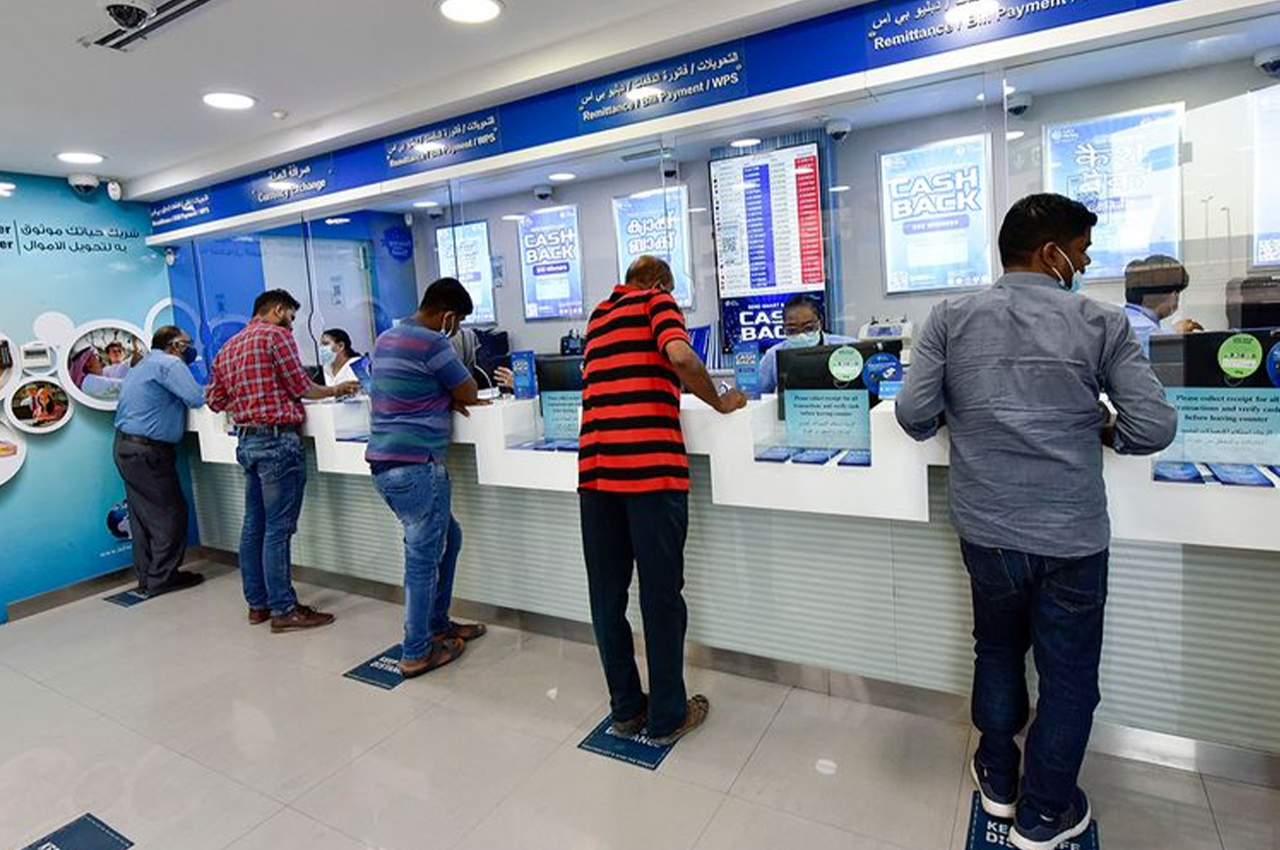
UAE expats rush to remit as Indian Rupee and Philippine Peso hit new lows, creating one of the strongest currency windows in recent months. The sharp depreciation of Asian currencies against the UAE dirham is driving a surge in remittance activity as expatriates look to maximise value.
Key Development
The Indian rupee has fallen to record lows, with exchange rates nearing Rs26 per dirham, while the Philippine peso has also weakened significantly against the UAE currency.
At current levels:
- Dh1 converts to nearly Rs25.9 for Indian expats
- Dh1 converts to over 16 pesos for Filipino expats
- Both currencies are among the weakest in recent trading cycles
This shift has triggered a noticeable spike in remittance activity across exchange houses in the UAE, as expats take advantage of favourable rates.
The depreciation is being driven by global factors, including rising oil prices and sustained demand for the US dollar, which are putting pressure on emerging market currencies.
Why It Matters
For millions of expatriates living in the UAE, currency movements directly affect how much money reaches families back home.
Key benefits for expats include:
- Higher value per dirham sent
- Increased purchasing power for recipients
- Opportunity to send larger amounts for the same cost
For example, a Dh1,000 transfer now delivers significantly more in local currency compared to earlier months.
However, the situation also reflects underlying economic challenges in home countries:
- Rising import costs due to weaker currencies
- Inflation pressures linked to higher oil prices
- Slower capital inflows affecting economic stability
While expats benefit in the short term, the broader economic backdrop remains uncertain.
Bigger Picture
The surge in remittances highlights the UAE’s role as one of the world’s leading remittance hubs, particularly for South Asia and Southeast Asia.
Currencies such as the Indian rupee and Philippine peso are under pressure due to:
- Heavy reliance on oil imports
- Global interest rate trends favouring the US dollar
- Geopolitical tensions impacting energy markets
Higher crude prices have increased demand for dollars in oil-importing countries, weakening local currencies further.
For the UAE, this trend has mixed implications:
- Stronger dirham boosts outbound remittance value
- Increased transaction volumes for exchange houses
- Potential reduction in discretionary spending by expats
The trend also aligns with long-term patterns where remittance flows rise when home currencies weaken.
What Happens Next
Currency volatility is expected to persist in the near term, keeping remittance activity elevated.
Key factors to watch include:
- Oil price movements and geopolitical developments
- US Federal Reserve interest rate policy
- Central bank interventions in India and the Philippines
- Global capital flows and investor sentiment
Financial experts suggest that expats may adopt more strategic approaches, such as sending money in phases rather than in one transaction.
If current trends continue, the window for favourable remittance rates could remain open, although sudden currency reversals cannot be ruled out.
FAQs
Why are UAE expats sending more money now?
Expats are taking advantage of weaker currencies, which allow them to get more value per dirham sent home.
How low has the Indian rupee fallen?
The rupee has dropped to near record lows, with rates close to Rs26 per dirham.
What about the Philippine peso?
The peso has also weakened significantly, crossing key levels and boosting remittance value for Filipino expats.
Is this a good time to remit money?
It can be favourable due to strong exchange rates, but experts recommend a balanced approach rather than sending all funds at once.
What is causing these currency declines?
Factors include rising oil prices, strong US dollar demand, and global economic uncertainty.