




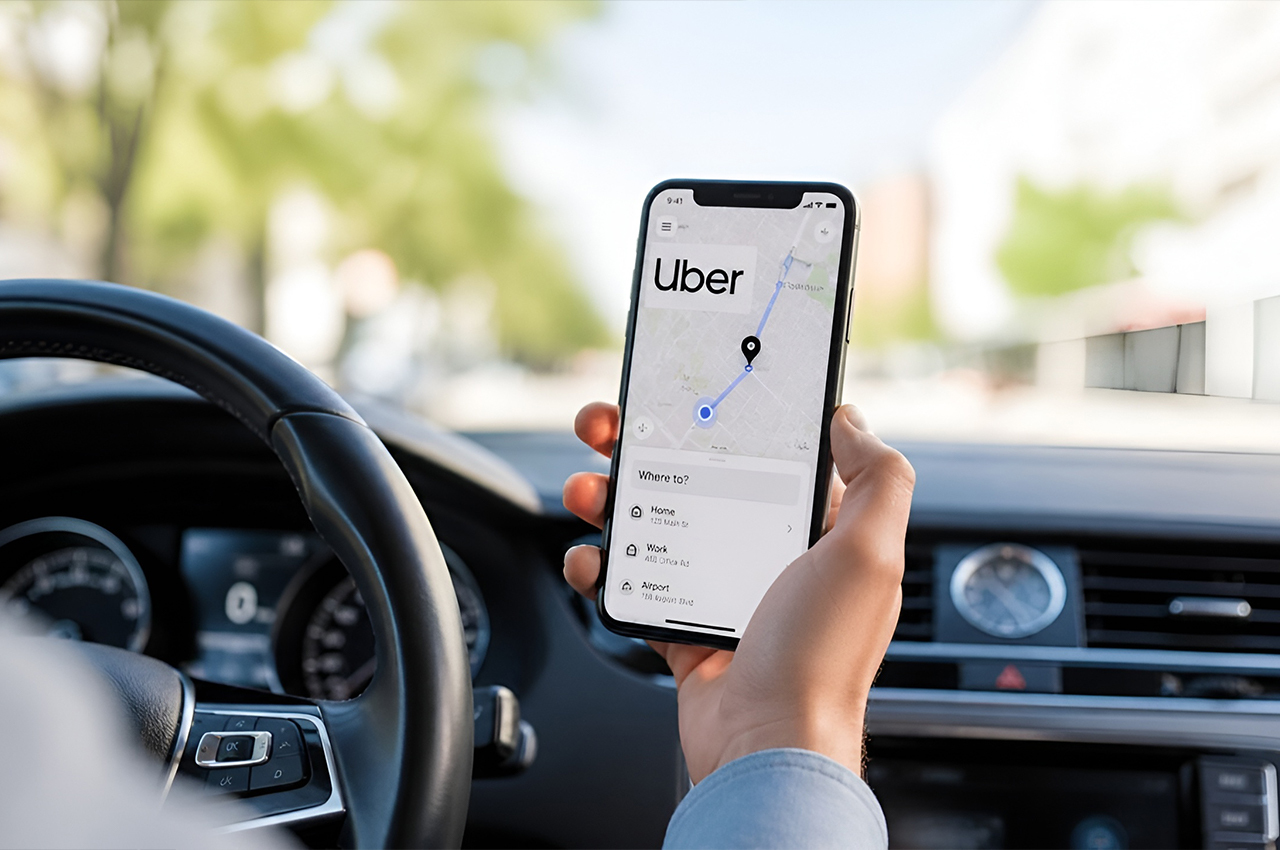
Uber wants to use its millions of drivers as a live data network for self-driving companies – without them knowing, signalling a major shift in how the future of autonomous driving could be built. The plan could quietly turn everyday trips into one of the world’s largest real-time data engines.
Key Development
Uber Technologies is exploring a strategy to transform its global driver network into a massive data collection system for self-driving technology.
The idea is simple but powerful. Instead of relying only on dedicated test vehicles, Uber could use millions of cars already on the road to gather real-world driving data at scale.
This data would include:
- Road conditions and traffic behaviour
- Weather patterns and visibility challenges
- Pedestrian movement and unpredictable events
- Complex urban driving scenarios
Even a small percentage of drivers using sensor-equipped vehicles could create one of the largest driving datasets in the world.
At present, Uber’s autonomous vehicle efforts rely on limited fleets through its AV Labs programme. The long-term vision is far bigger, turning its platform into a “sensor grid” for the entire self-driving industry.
Why It Matters
This shift could fundamentally reshape the economics of autonomous driving.
For self-driving companies:
- Access to massive real-world data without building fleets
- Faster training of AI systems
- Lower costs in development and testing
For Uber:
- New revenue streams from data services
- Stronger positioning in the robotaxi ecosystem
- Reduced need to build its own autonomous vehicles
For drivers:
- Their cars could become data collection tools
- Potential concerns around awareness, consent, and compensation
The biggest takeaway is this: data, not hardware, is becoming the most valuable asset in the self-driving race.
Bigger Picture
The global race for autonomous vehicles is no longer just about building better cars. It is about gathering better data.
Self-driving systems need exposure to rare and unpredictable situations, often called “long-tail events”, such as:
- Sudden pedestrian crossings
- Unusual traffic patterns
- Unexpected obstacles on roads
These scenarios are difficult to simulate but critical for safety.
Uber’s advantage lies in scale:
- Millions of drivers worldwide
- Billions of trips annually
- Presence across diverse cities and environments
Instead of competing directly with companies like Waymo or Tesla, Uber is positioning itself as the infrastructure layer powering them.
The company already partners with multiple autonomous vehicle firms and is building what it describes as an “AV cloud” of structured driving data.
This approach aligns with a broader strategy where Uber acts as a platform connecting:
- Human drivers
- Robotaxi fleets
- AI developers
For Gulf markets such as the UAE and Saudi Arabia, where smart mobility and autonomous transport are strategic priorities, such developments could influence future transport ecosystems.
What Happens Next
Uber’s plan is still in its early stages and faces several challenges before scaling.
Key issues to watch include:
- Privacy regulations around data collection
- Driver consent and transparency
- Deployment of sensor technology in vehicles
- Partnerships with autonomous vehicle companies
The company has indicated that it needs to better understand sensor systems and regulatory frameworks before rolling out the model widely.
If successfully implemented, the strategy could:
- Accelerate global adoption of self-driving vehicles
- Create a new data economy within mobility
- Blur the line between human-driven and AI-driven transport
For now, the concept highlights a major industry shift where everyday drivers could play a hidden but crucial role in shaping the future of autonomous mobility.
FAQs
What is Uber planning to do with its drivers?
Uber aims to use driver vehicles as data collection tools for self-driving technology.
Will drivers know about this?
The plan is still evolving, and questions around transparency and consent remain.
Why is driving data so important?
It helps train AI systems to handle real-world scenarios safely.
Is Uber building its own self-driving cars?
It is focusing more on partnerships and data rather than building full fleets.
Could this affect the future of jobs?
Yes, as autonomous driving grows, the role of human drivers may evolve.