





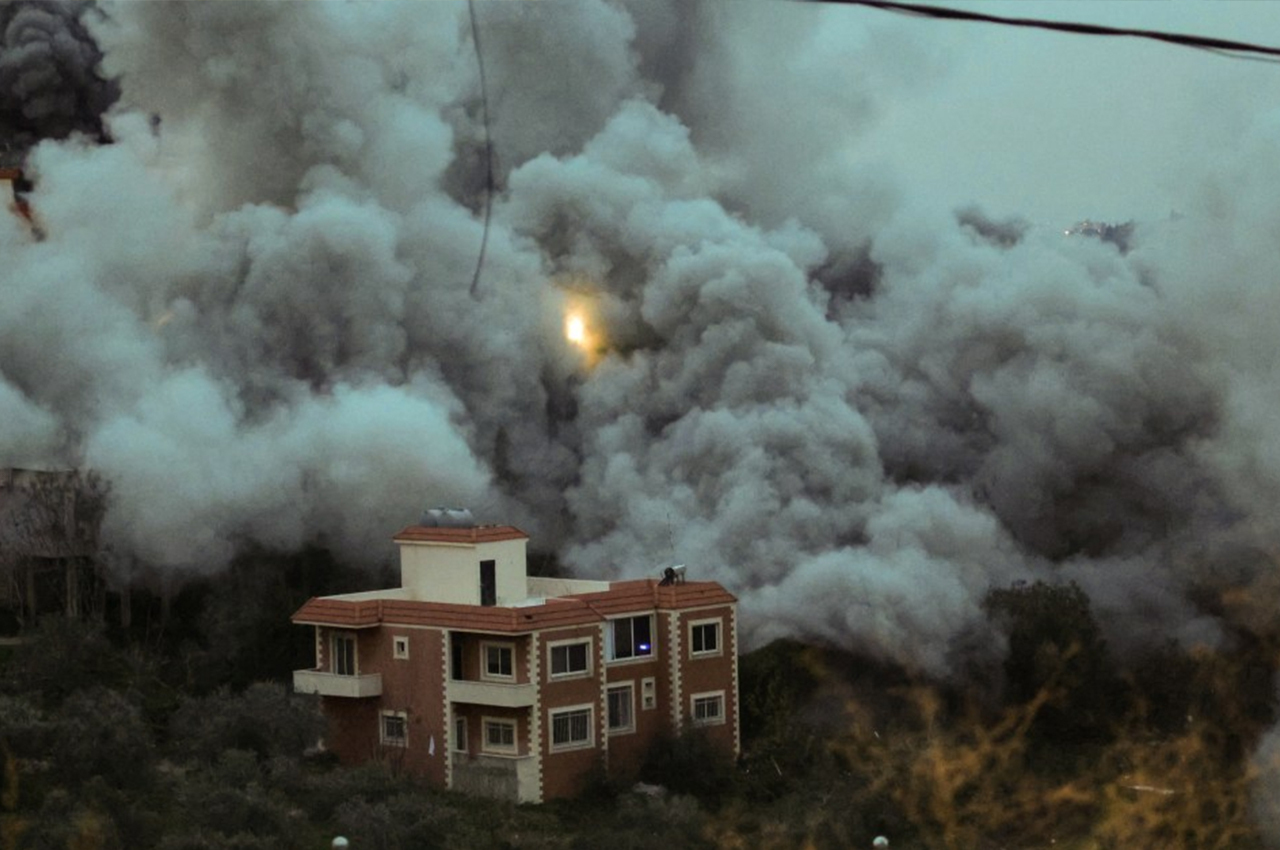
Mounthound Israeli air attacks on South Lebanon grew in force Monday, marked by an incineration of villages near the border and smoke rising over the region. The strikes are a sign of growing tension between Israel and armed groups in southern Lebanon that has raised fears of a regional repercussion and renewed instability along the northern border.
So what’s going on in South Lebanon these days?
Increasing Israeli bombing has been directed at various territories in southern Lebanon, especially at villages along the border with Israel. The strikes are reportedly in response to renewed cross-border fire between Israeli forces and positions allegedly under the control of Hezbollah, smoke rising over residential outskirts and agricultural areas.
The strikes targeted suspected military facilities and launch pads in rural areas in southern regions, where follow-on clashes have been common since conflicts with the border emerged in late 2023, as reported in the region and by Lebanese state media.
The situation is fluid with sporadic shelling, air activity along the border buffer zone monitored by UNIFIL.
Israeli raids have been escalating in the south of Lebanon, so why are they?
The latest escalation comes as part of continued fighting between Israel and Hezbollah, which has been active in the southern border of Lebanon.
The key factors to the escalation:
- Ongoing cross-border exchange of rockets and drones
- Response of the Israeli Defense Forces to perceived threats in the vicinity of its northern border.
- Strategic pressure about the Hezbollah installations in the southern part of Lebanon
- Attempts to deter further attacks to northern Israel
According to military analysts, the Israel-Lebanon border has already become an active conflict zone since the regional war dynamics began to escalate in 2023-2024 with occasional flare-ups in intensity.
What is the level of emergency for the people?
In the south, the humanitarian situation has worsened gradually, with strikes spreading towards civilian areas.
What we know from international monitoring:
UN OCHA has stated that there are occasions of large-scale displacement in Lebanon during times of escalation of the cross-border situation, when hundreds of thousands are affected at peak levels. During periods of flare-up, there has been an increase in the movement of civilians from border villages, especially in agricultural areas reliant on seasonal activity. Road damage, house damage and disruption to utilities has affected livelihoods in the southern districts. \
UNIFIL has repeatedly called for both sides to avoid civilian casualties and additional destabilisation by keeping away from the Blue Line boundary.
Which areas of South Lebanon are impacted most?
The more common areas affected are:
- This is the case for the border villages of Bint Jbeil district.
- Rural areas in the vicinity of Marjayoun plain
- Regions near the northern border of Israel
- Residents of farming areas near disputed border hills
These areas are of strategic importance because of their border proximity, and because armed groups have historically been present in these areas, with escalations often occurring here.
The threats facing Israel’s northern boundary and their impact on the situation.The situation in Israel’s northern border and the threat it poses.
Israel has always said it is seeking to eliminate armed groups from creating an infrastructure close to its northern border.
The principle is about:
- Stopping the development of the launching ability of rockets and missiles.
- Addressing infiltration through cross-border routes.
- Break surveillance and coordination networks.Interfere with surveillance and coordination networks.
- Continuing border security operations to the north
But critics say continued strikes could further fuel instability and displacement of civilians in southern Lebanon, making negotiations more difficult.
What role is UNIFIL playing?
As a buffer between Israel forces and Lebanese actors, UNIFIL remains to patrol and monitor the border region.
Its mandate includes:
- Issue monitoring of the ceasefire along the Blue Line.
- UN Security Council refers to violations of the Convention.Violations of the Convention reported to the UN Security Council.
- Supporting Lebanese Armed Forces in maintaining stability
- Facilitating humanitarian coordination in affected areas
Even though it is there, UNIFIL has limited enforcement capabilities restricting it in its capacity to halt the escalation once it starts.
What does this economic and regional impact mean for South Lebanon?What is the economic and regional impact of South Lebanon strikes?
The escalation is not just having security implications, but it also is having wider regional implications:
- Energy markets: An increasing geopolitical risk premium for oil prices.
- Due to increased insurance premiums for shipping in the region, trade routes have been affected.Trade routes: The insurance costs for trade shipping have increased in the region.
- Lebanon is already facing economic instability, which will be further aggravated by its economy.
- The sentiment of investors is rising, reflecting increased risk perception over the MENA markets.
In the case of the UAE and other Gulf economies, the continuity of instability in Lebanon and Israel would raise macro uncertainty but would not directly affect the economies of the Gulf unless the conflict escalates further.
What happens next?
Whether or not diplomacy can defuse tensions or retaliatory cycles can persist is the next step.
Key indicators to watch:
- The numbers of strikes that will cross the border in the next few days
- Quotes from Israeli and Lebanese sources.
- UNIFIL security assessments
- International mediation efforts under the leadership of global powers
As things get worse, pressure will intensify for a formal ceasefire framework or increase in the UN’s role.
FAQs
Q1: What is Israel’s motivation for attacking South Lebanon?
A1: Israel says its airstrikes are targeting combat infrastructure near its northern border and to stop cross-border attacks from south of the Gaza border by groups. The operations are part of an ongoing escalation that is connected to regional tension and the frequent exchange of fire.
Q2: What areas of South Lebanon are impacted?
A2: The areas bordering Bint Jbeil, Marjayoun and neighbouring rural villages near the Israeli border have been the hardest hit. Such areas are subject to strikes because of their location near the Blue Line and location in general.
Q3: Is it a war or a conflict in Lebanon?
A3: Not currently. The situation is still mostly marked by sporadic, but frequent, cross-border exchanges, while tensions remain high. But if diplomacy fails, analysts say there is a risk of the war spreading if they miscalculate.
Q4: During an escalation, what are UNIFIL doing?
A4: UNIFIL is monitoring the border, reporting violations and assisting in de-escalation. But it has no power to actually put a stop to military action by either side.
Stay updated with DKI
Dubai Key Insights (DKI) continues to track fast-moving developments across the Middle East, from Lebanon–Israel border tensions to regional economic and geopolitical shifts shaping investor sentiment across the UAE and MENA region.