




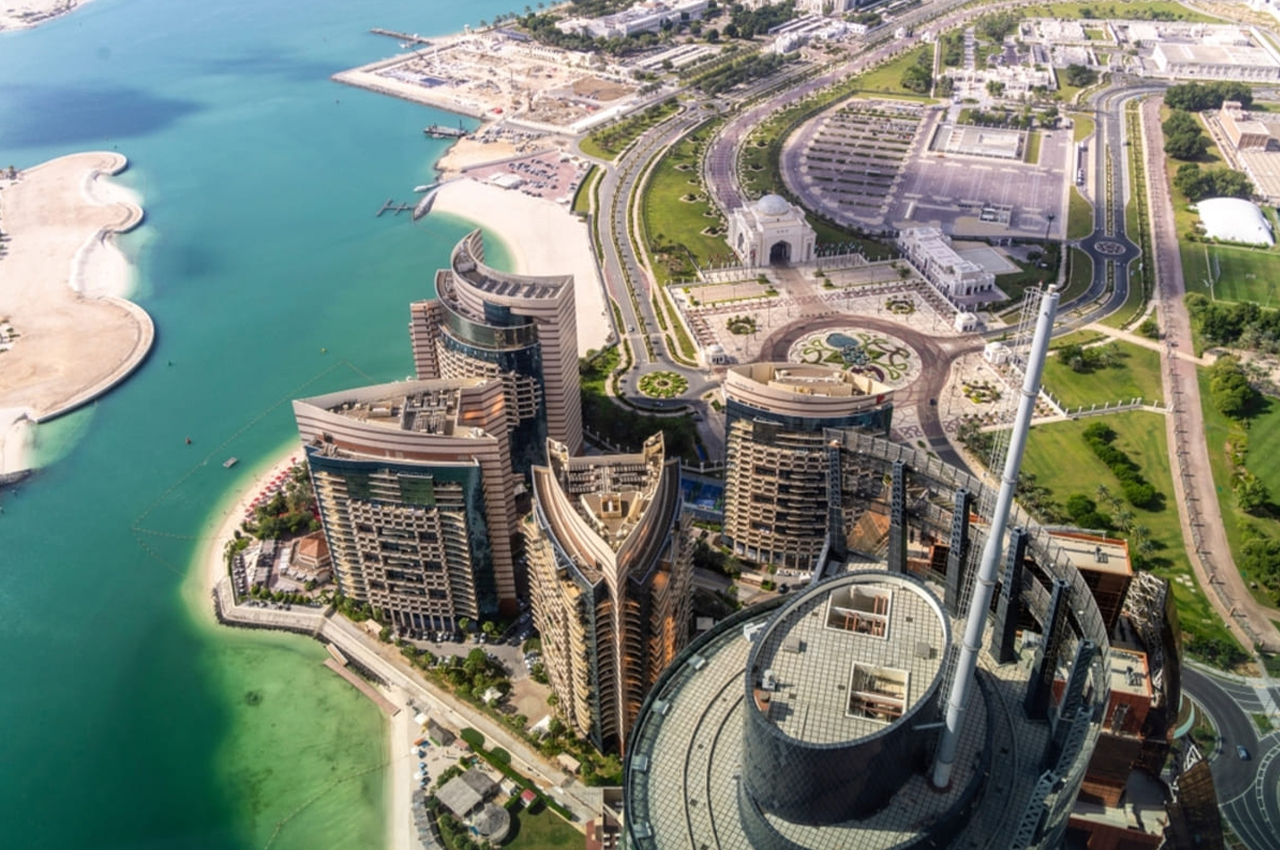
Abu Dhabi’s residential real estate sector has delivered its second-strongest quarterly performance on record, with transaction volumes in the first quarter of 2026 exceeding 7,200 deals. This near-record activity highlights a market of remarkable resilience, as the emirate continues to attract significant domestic and international capital despite a complex global backdrop and seasonal shifts.
Key Development
According to the latest data from the Savills Market in Minutes report, Abu Dhabi City recorded 7,213 transactions in Q1 2026, falling just short of the all-time peak of 7,600 deals set in Q4 2025. The quarter was defined by the overwhelming dominance of the off-plan segment, which accounted for 81% of all sales, up from 80% in the previous quarter. This surge was underpinned by high-profile project launches, including Manchester City Yas Residences by Ohana Development, which reportedly generated Dh6 billion in sales in just 72 hours.
Apartment sales hit a record 5,200 transactions during the period, representing 73% of total market activity. This marks the third consecutive quarter where apartment volumes have remained above the 4,000-unit threshold. Pricing also saw a dramatic shift; average off-plan sales rates jumped 39% quarter-on-quarter to reach Dh23,067 per square metre, while ready property rates saw a more modest but steady increase of 2.66% to Dh15,480 per square metre.
Why It Matters
The concentration of deals in prime investment zones like Yas Island, Saadiyat Island, and Reem Island underscores the flight to quality among modern investors. For the Abu Dhabi economy, the Dh66 billion in total real estate transactions recorded in Q1 2026 represents a staggering 160% increase in value compared to the same period last year. This influx of capital is largely driven by a 423% surge in foreign direct investment, with buyers from 99 different nationalities entering the market.
The market’s ability to maintain high volumes through March—a month traditionally slowed by Ramadan, Eid al-Fitr, and school holidays—signals a shift from speculative buying to long-term wealth migration. Investors are increasingly viewing Abu Dhabi not just as a high-yield opportunity, but as a stable jurisdiction for asset preservation amidst regional geopolitical uncertainties.
Bigger Picture
Abu Dhabi’s real estate trajectory is a core pillar of its broader economic diversification strategy. The expansion of the Abu Dhabi Global Market (ADGM) and the continued development of cultural landmarks on Saadiyat Island are acting as magnets for high-net-worth individuals. Strategic infrastructure projects, such as the planned opening of Disneyland Abu Dhabi and the expansion of the Etihad Rail passenger service, are providing the long-term fundamentals necessary to sustain this growth.
Furthermore, developer confidence remains at an all-time high. Approximately 20 new projects were launched in Q1, offering around 4,000 units to a market where demand continues to outpace supply. This disciplined growth, supported by the Abu Dhabi Real Estate Centre (ADREC), ensures that the emirate remains competitive against other global hubs, offering a unique blend of lifestyle-oriented waterfront living and institutional-grade security.
What Happens Next
While transaction activity in March saw a month-on-month decline of 16% due to seasonal factors and external regional developments, the market is expected to absorb these influences in the coming months. Analysts anticipate that as new supply enters the market, particularly in the villa and townhouse segments, the “wait-and-see” approach observed by some buyers in late Q1 will transition into renewed activity.
The second half of 2026 will be crucial in establishing whether the current pricing levels—specifically the 39% jump in off-plan rates—become the new baseline. With major completions like Fay Al Reeman Phase 2 and The Gate Residence in Masdar City already coming online, the focus will likely shift toward the secondary market, which is seeing an increase in resale off-plan transactions as investors look to capitalise on their initial gains.
FAQs
What was the total value of real estate transactions in Abu Dhabi in Q1 2026?
The total value reached a record Dh66 billion for the first three months of the year, representing a 160.7% increase compared to Q1 2025.
Which areas in Abu Dhabi recorded the most activity?
Activity remained concentrated in prime investment zones, led by Hudayriyat Island (Dh11.97 billion), Reem Island (Dh9.45 billion), and Saadiyat Island (Dh8.8 billion).
Why did apartment sales hit a record in Q1 2026?
Apartments accounted for 73% of all deals (5,200 transactions) as buyers gravitated toward high-density, lifestyle-oriented master-planned communities and branded residences.
How much did off-plan property prices increase?
Average off-plan rates rose sharply by 39% quarter-on-quarter, climbing from Dh16,540 per square metre at the end of 2025 to Dh23,067 per square metre in Q1 2026.
Is the Abu Dhabi property market still open to foreign investors?
Yes, foreign direct investment rose by over 400% in Q1 2026, with investors from 99 different nationalities participating in the market, particularly within designated investment zones.