



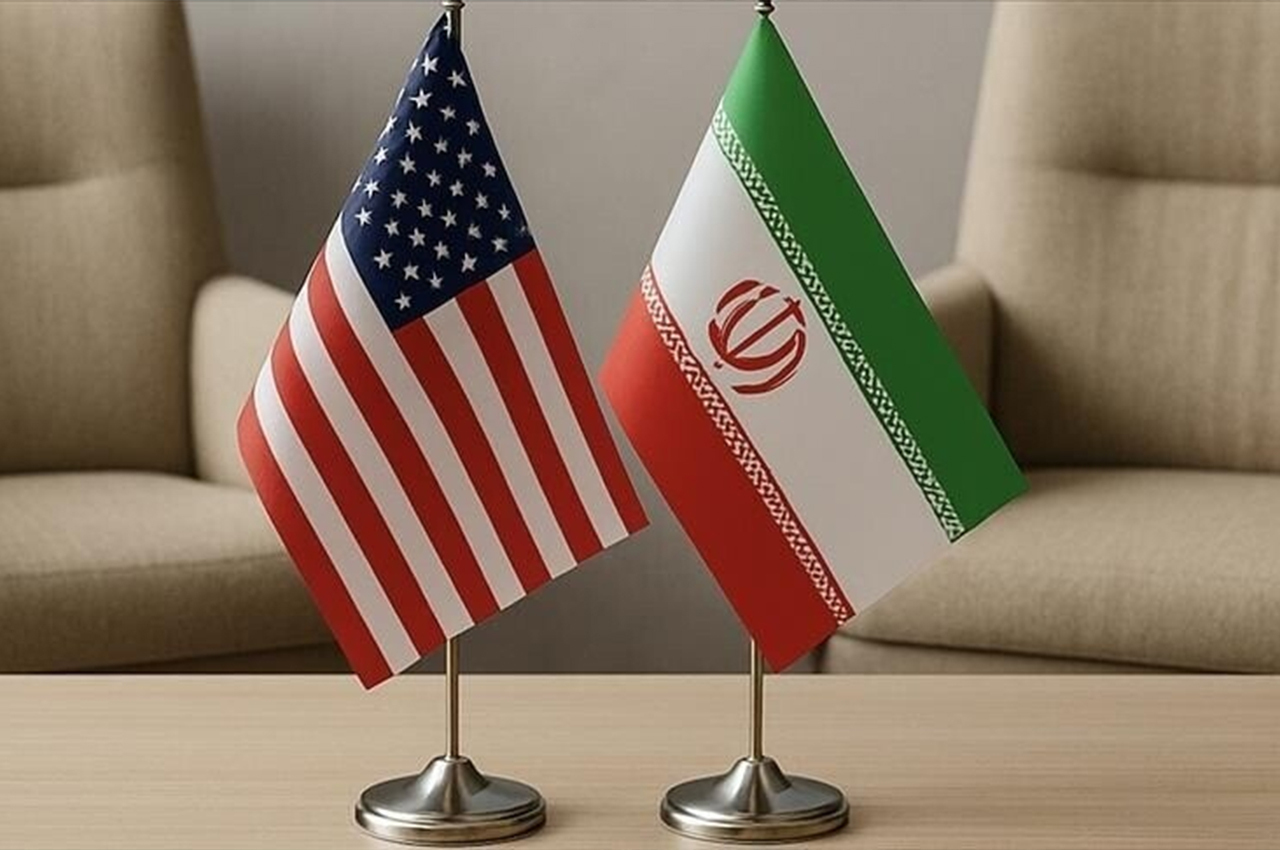
The fragile truce between the United States, Israel, and Iran has entered its 22nd day of active ceasefire diplomacy, with international mediators describing the current phase as a “make or break” window for regional stability. While active hostilities have largely paused since the initial agreement on 8 April 2026, the deadlock over the reopening of the Strait of Hormuz and Iran’s nuclear enrichment persists, keeping global energy markets on edge.
Key Development
The “Day 22” milestone marks a critical juncture in the Pakistani-mediated talks held in Islamabad. Following the expiration of the original 14-day temporary truce, U.S. President Donald Trump announced an indefinite extension on 21 April to allow for continued negotiations. However, the diplomatic progress remains stalled as both sides dig in on non-negotiable demands.
Iran has reportedly refused to reopen the Strait of Hormuz, a chokepoint through which 20% of the world’s oil flows—unless the U.S. naval blockade is lifted and comprehensive sanctions are removed. Conversely, the U.S. delegation, led by Vice President JD Vance and special envoy Steve Witkoff, is demanding a total cessation of Iranian uranium enrichment and the removal of existing nuclear material as a precondition for a permanent settlement.
Current status of the diplomatic track:
- Mediator Role: Pakistan remains the primary intermediary, though security checkpoints at negotiation sites in Islamabad were reportedly scaled back this week, signaling a lack of immediate breakthrough.
- Strait of Hormuz: The IRGC continues to maintain a defensive posture, recently seizing two container ships accused of attempting to covertly bypass the blockade.
- U.S. Military Posture: Despite the ceasefire, the U.S. is deploying additional Marine and airborne units to the region to maintain “maximum pressure” during talks.
Why It Matters
The prolonged closure of the Strait of Hormuz has sent global fuel prices to record highs, impacting transportation and logistics costs across the UAE and the wider Gulf. For the global economy, every day the diplomacy remains in “Day 22” without a breakthrough increases the risk of a renewed military escalation that could target energy infrastructure.
In Lebanon, the diplomatic fallout is equally severe. A separate 10-day ceasefire between Israel and Hezbollah, which began on 16 April, has allowed some displaced families to return south. However, the persistence of the broader Iran-U.S. conflict threatens to collapse these localized truces, as evidenced by recent “tit-for-tat” maritime incidents off the coast of Oman.
Bigger Picture
The current diplomatic impasse highlights a shift in Middle Eastern geopolitics. The UAE and Saudi Arabia have increasingly called for a “comprehensive settlement” that addresses not only the nuclear issue but also regional proxy conflicts and maritime security. This aligns with the UAE’s strategy of de-escalation to protect its status as a global trade hub.
The ” Islamabad Process” is being watched as a test of whether non-Western mediators—specifically Pakistan—can successfully broker peace between traditional adversaries. With the U.S. midterm elections approaching, the pressure on Washington to secure a deal that lowers gas prices is mounting, potentially forcing a shift in negotiating tactics in the coming days.
What Happens Next
The next 48 to 72 hours are expected to be pivotal. Diplomatic sources suggest that a revised “15-point plan” from the U.S. is currently being reviewed by Tehran’s National Security Council. If Iran rejects this proposal, there is a significant risk that the U.S. could allow the indefinite ceasefire extension to lapse, potentially leading to a resumption of strikes on Iranian military infrastructure.
Observers are also monitoring the UN Security Council, where Bahrain is expected to chair a high-level session this week to address the “Comprehensive Plan to End the Gaza Conflict” and the broader Middle East crisis. The outcome of these meetings will likely determine if the “Day 22” phase leads to a permanent peace or a return to active war.
FAQs
Why is the 22nd day of the ceasefire significant?
It marks the point where the initial short-term truce has transitioned into an “indefinite extension,” testing the patience of both militaries and the global oil market.
Is the Strait of Hormuz open for shipping?
No. Iran maintains that the Strait will remain closed to “hostile nations” until the U.S. blockade is lifted and sanctions are eased.
What is the “Islamabad Process”?
It is the diplomatic framework mediated by Pakistan’s leadership and military to facilitate direct or indirect communication between U.S., Iranian, and Israeli officials.
Has the fighting stopped in Lebanon and Gaza?
Localized ceasefires are in place, but they remain extremely fragile. Incidents of shelling and drone strikes continue to be reported, and UN peacekeepers have recently suffered casualties in southern Lebanon.
What are the main sticking points in the talks?
The primary issues are the permanent removal of Iran’s nuclear enrichment capabilities, the lifting of the U.S. naval blockade, and the restoration of freedom of navigation in international waters.