



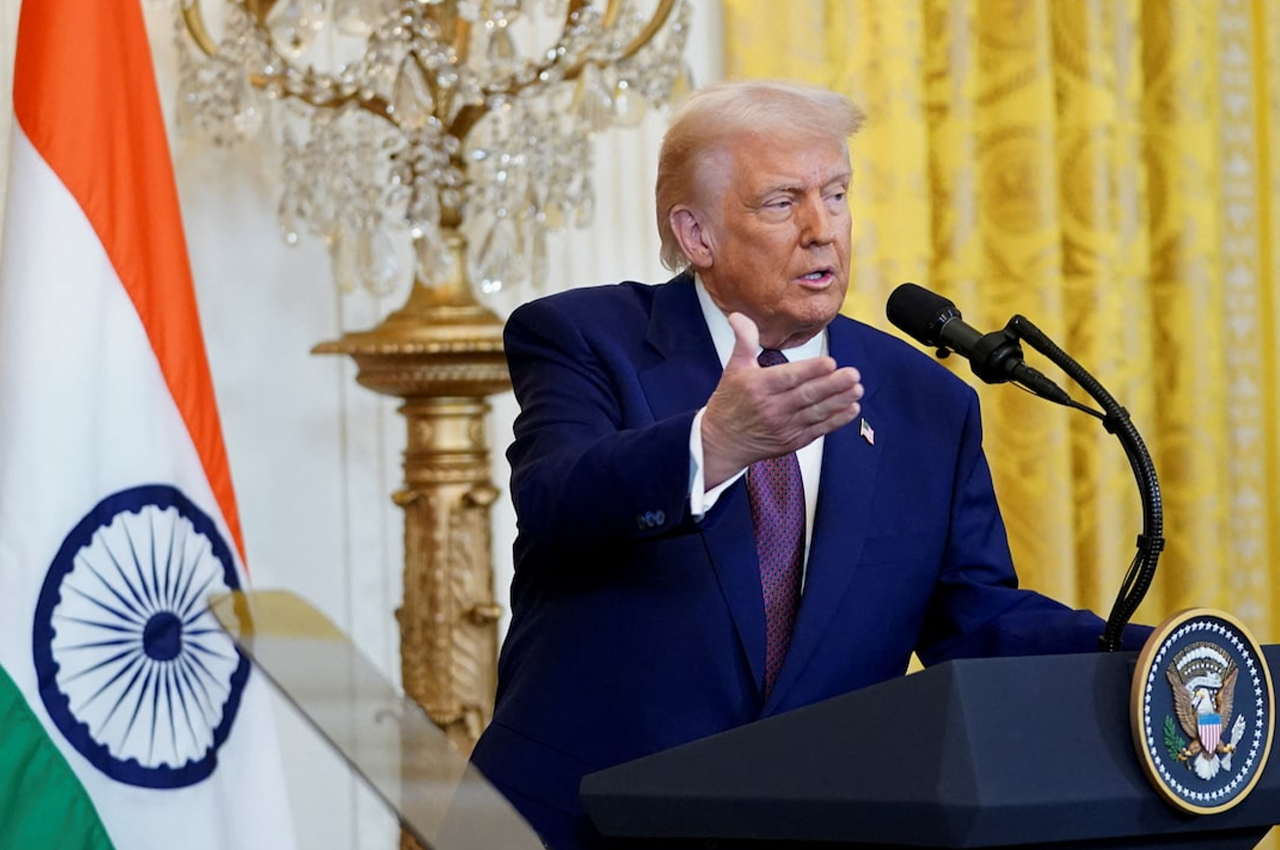
India’s Ministry of External Affairs labels Donald Trump’s “hellhole” comments regarding Indian cities as being in “poor taste,” triggering diplomatic attention and public debate. The response from New Delhi signals official displeasure over remarks seen as disrespectful toward Indian urban centers and their residents.
India Responds to Trump’s Comments
Ministry of External Affairs has reportedly criticized remarks by Donald Trump describing Indian cities in offensive terms.
Officials said the comments were in “poor taste,” a phrase often used in diplomacy to express strong disapproval without escalating tensions further.
The response reflects sensitivity around:
- National image
- Respect between partner nations
- Public diplomacy standards
- International media narratives
- Bilateral political relations
Statements about cities often resonate widely with citizens.
Why the Remarks Caused Backlash
India is home to some of the world’s largest and fastest-growing urban centers, many of which are major hubs for technology, finance, culture, and manufacturing.
Critics argue that broad negative descriptions ignore the complexity and progress of Indian cities such as:
- Mumbai
- Delhi
- Bengaluru
- Hyderabad
- Chennai
These cities play major roles in the global economy.
Why Diplomatic Language Matters
Public remarks by major political figures can influence perceptions, markets, and international relationships.
Sensitive Areas Include:
- National dignity
- Cultural respect
- Investor confidence
- Tourism image
- Strategic partnerships
- Public opinion
Because of this, governments often respond quickly to controversial statements.
India-US Relationship Context
India and the United States maintain broad ties across trade, defense, technology, education, and geopolitics.
Key areas of cooperation include:
- Strategic security dialogue
- Technology investment
- Supply chain partnerships
- Student and talent mobility
- Defense cooperation
- Indo-Pacific policy coordination
That is why rhetorical controversies can attract outsized attention.
How India’s Cities Have Evolved
Indian urban centers have undergone rapid transformation in recent decades.
Major Growth Trends Include:
- Expanding metro systems
- Startup ecosystems
- IT and outsourcing industries
- Modern airports
- Real estate development
- Rising consumer markets
While challenges remain, many cities are central to global business networks.
Public and Political Reactions
Comments involving national identity often generate strong responses from:
- Government officials
- Political parties
- Media commentators
- Diaspora communities
- Social media users
Debates may focus on fairness, factual accuracy, and diplomatic etiquette.
What Happens Next
Such disputes often fade unless followed by further statements.
Observers may watch for:
- Clarifications or responses
- Reactions from US political circles
- Media debate in both countries
- Impact on campaign rhetoric
- Diplomatic efforts to downplay controversy
Most mature bilateral relationships continue despite rhetorical friction.
Final Thoughts
India’s Ministry of External Affairs labels Donald Trump’s “hellhole” comments regarding Indian cities as being in “poor taste,” underscoring how public language can quickly become a diplomatic issue. With India’s global importance rising, criticism of its cities is likely to prompt strong official responses.
The episode also highlights the importance of respectful rhetoric in international relations.
FAQs
What did India say about Trump’s remarks?
Officials said the comments were in “poor taste.”
Who responded officially?
India’s Ministry of External Affairs issued the criticism.
Why did the comments matter?
They were seen as disrespectful toward Indian cities and citizens.
Could this affect India-US ties?
Usually such controversies are temporary, though they can create tension.
Why are Indian cities globally important?
They are major centers for technology, finance, manufacturing, and culture.